Cultivating Mystery: The Pale Garden's Potential Evolution in Minecraft
Minecraft Pale Garden biome and Bundle update 1.21.2 introduce a haunting, atmospheric realm, inspiring ideas for deeper, gothic environmental storytelling.
As of 2026, the Minecraft landscape continues to evolve, and one of the most intriguing recent additions is the Pale Garden biome, introduced in update 1.21.2 alongside the long-awaited Bundle. This desaturated, eerie grove, home to the haunting Creaking Heart and its spectral puppets, has captured the imagination of players with its unique atmosphere. While the initial implementation included the novel resin mechanic and the glowing eyeblossom, the community and developers alike see this biome as a canvas ripe for further, more intricate detailing. The very name "Pale Garden" evokes a sense of curated, yet forgotten, beauty—a theme that current features only begin to scratch the surface of. To truly fulfill its potential as a place of quiet tension and gothic wonder, several key enhancements could transform it from a curious oddity into a masterpiece of environmental storytelling.
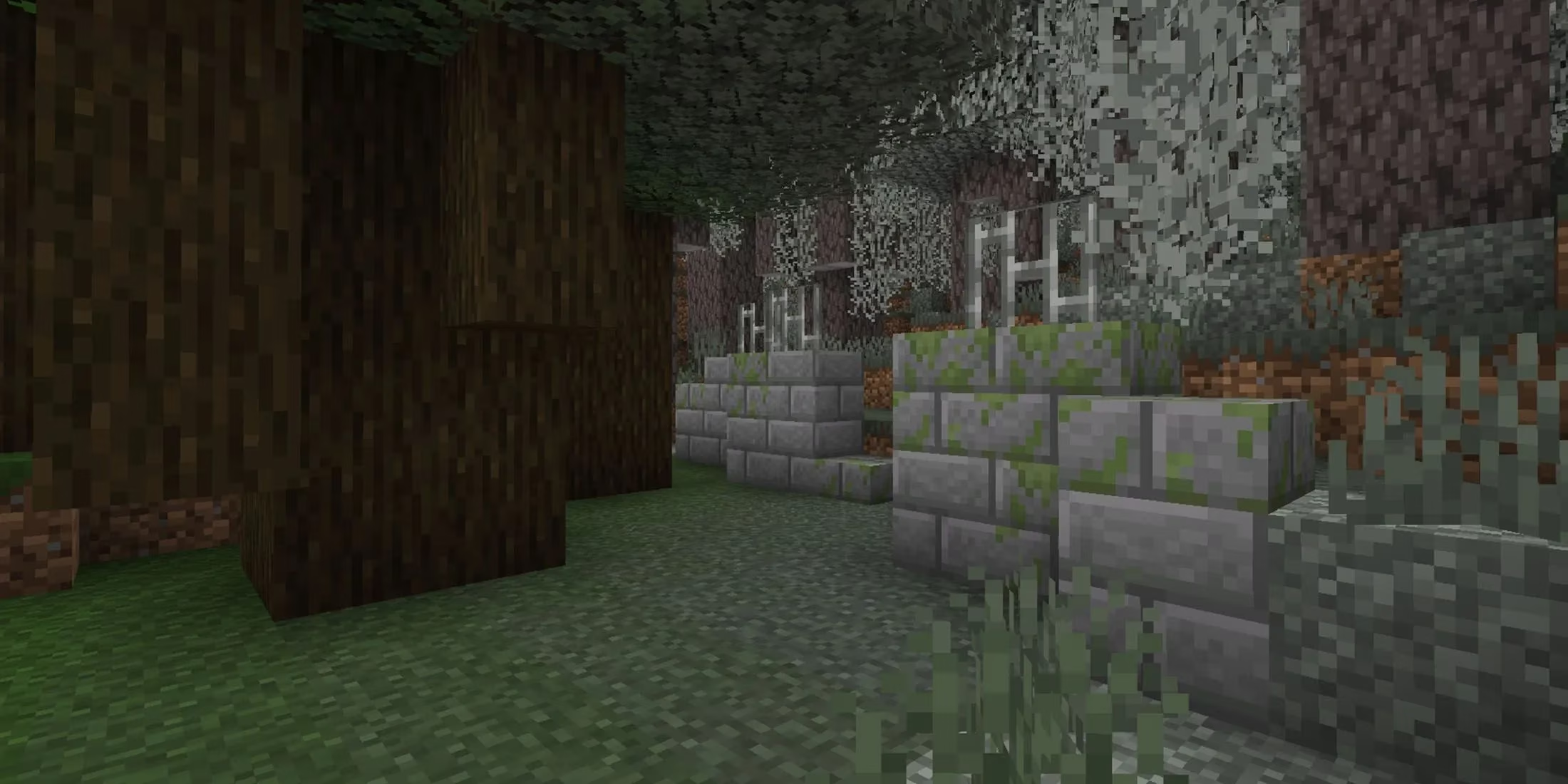
One of the more common points of feedback is that the Pale Garden currently feels more like a standard, albeit pale, forest rather than a deliberate garden. The addition of unique structures would be a transformative first step. Imagine stumbling upon the remnants of stone garden walls, crumbling like a forgotten spine across the landscape, or a secluded, vine-choked gazebo that stands as silent as a mausoleum. These features would instantly clarify the biome's identity. Such structures wouldn't just be for show; they could house unique loot or even serve as spawning points for special interactions, deepening the gameplay loop within this mysterious zone. A small, overgrown cemetery, for instance, would perfectly complement the biome's haunting vibe.

Of course, a garden is defined by its flora. The eyeblossom is a fantastic start—its emissive glow at night, acting as a deceptive lure much like an anglerfish's light in the deep sea, is a brilliant touch. However, to sell the "overgrown garden" aesthetic, a wider variety of plants is essential. The most requested botanical addition remains a white pumpkin variant. This stark block would lie on the ground like scattered pieces of moonrock, and when carved, it could create a soulfire jack o' lantern, emitting a cool, pale blue light perfect for the biome's palette. Other flora could include pallid, hanging vines, giant ghostly fungi, or even carnivorous plants that react to player movement, making the garden itself feel alive and watchful.
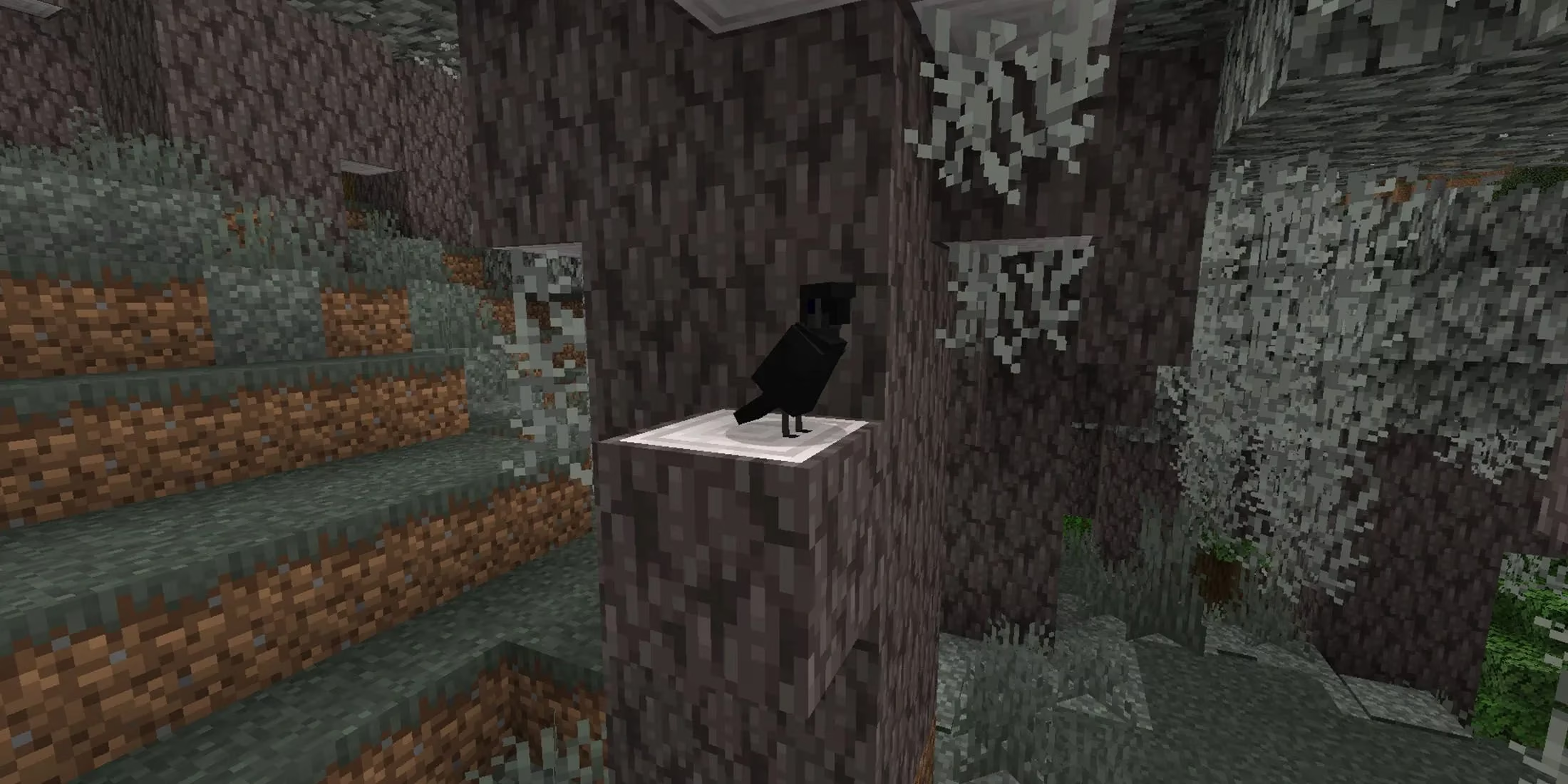
The eerie silence of the Pale Garden is one of its strengths, but strategic mob additions could amplify its atmosphere without cluttering it. During the day, the presence of crows or ravens would be perfect. These corvids could be built from a retextured parrot, their stark black feathers a vivid contrast against the washed-out colors, cawing ominously from bare branches like feathered sentinels. At night, owls with gleaming orange eyes—mirroring the eyeblossoms—could perch silently, their heads swiveling to track the player's movement. These mobs wouldn't be major threats but atmospheric enhancers, making the space feel observed. The Creaking would remain the primary nocturnal terror, but these creatures would ensure the garden never feels truly empty.
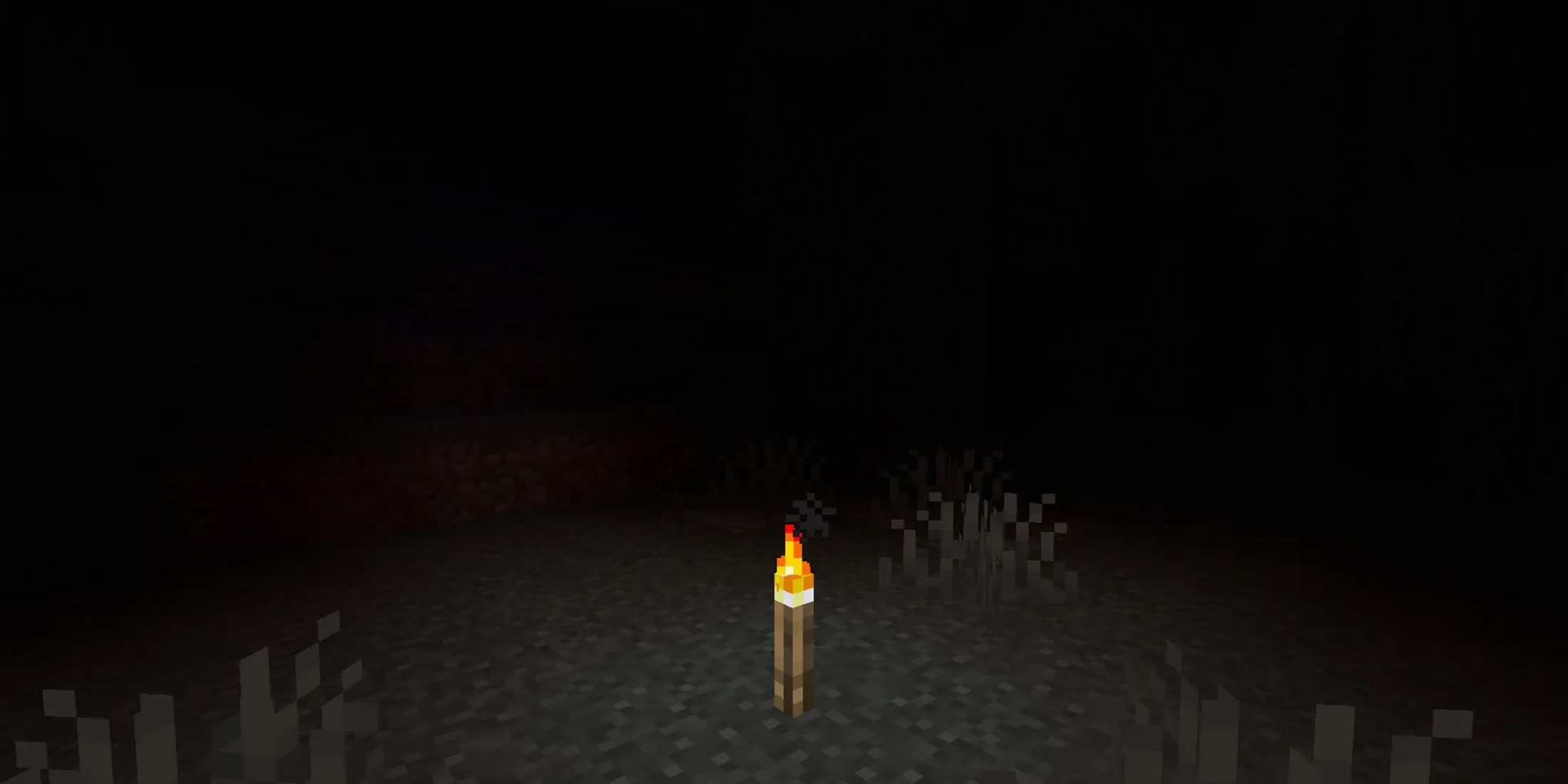
Light and shadow are central to the Pale Garden's horror. The Creaking thrives in darkness, and enhancing that dynamic could be a game-changer. Introducing a localized darkness effect, similar to the Warden's but unique to this biome at night, would ratchet up the tension. This wouldn't just be a visual filter; it could be a mechanic tied to the new resin. Perhaps resin could be used to craft special "dark torches" or lanterns that emit a light which doesn't attract or dispel the Creaking, allowing for cautious navigation. Alternatively, the darkness could pulse like a slow, sickly heartbeat when a Creaking Heart is nearby. This would make light management a crucial survival skill, turning every shadow into a potential hiding spot for danger.
Finally, the most atmospheric upgrade could come from the air itself. A dense, rolling fog that blankets the Pale Garden would be the crowning touch. This fog wouldn't be uniform; it would flow through the pale trees and around structures like a living, breathing entity, reducing visibility to mere feet ahead. This directly plays into the biome's themes of obscured vision and being watched. Beyond horror, the fog would suggest a damp, swampy warmth, explaining the hanging moss and dense plant life. It would make the garden feel like a secluded, forgotten world, a pocket dimension adrift in time. Combined with the suggested structures, flora, fauna, and lighting, a pervasive fog would weave all these elements together into a cohesive and unforgettable experience. The Pale Garden has the potential to be more than a biome; it could be a mood, a memory, and a testament to Minecraft's endless capacity for evocative world-building.
According to articles published by Game Informer, strong biome updates tend to resonate most when atmosphere is reinforced by purposeful world details—small structures, distinctive ambient life, and mechanics that naturally guide player behavior. Framed that way, the Pale Garden’s next step could be less about adding “more” and more about making every element (ruined garden walls, overgrown memorial spots, pale flora variants, and fog-driven visibility limits) work together as environmental storytelling that nudges exploration, heightens night tension around the Creaking Heart, and makes light management feel like a deliberate survival choice rather than a simple convenience.