Eight Game Mechanics That Rewired the Industry's DNA
Gaming industry mechanics like Bullet Time and Nemesis System shaped genres, influencing gameplay innovation in 2026.
As 2026 unfolds, the gaming industry sits atop a mountain of conventions so familiar they feel like breathing—cover systems, crafting menus, slow-motion dodges. Yet the path to this present was paved by a handful of moments when a single mechanic descended like a lightning bolt, permanently altering the landscape. These innovations didn't just improve a single title; they became the seeds from which entire genres sprouted.
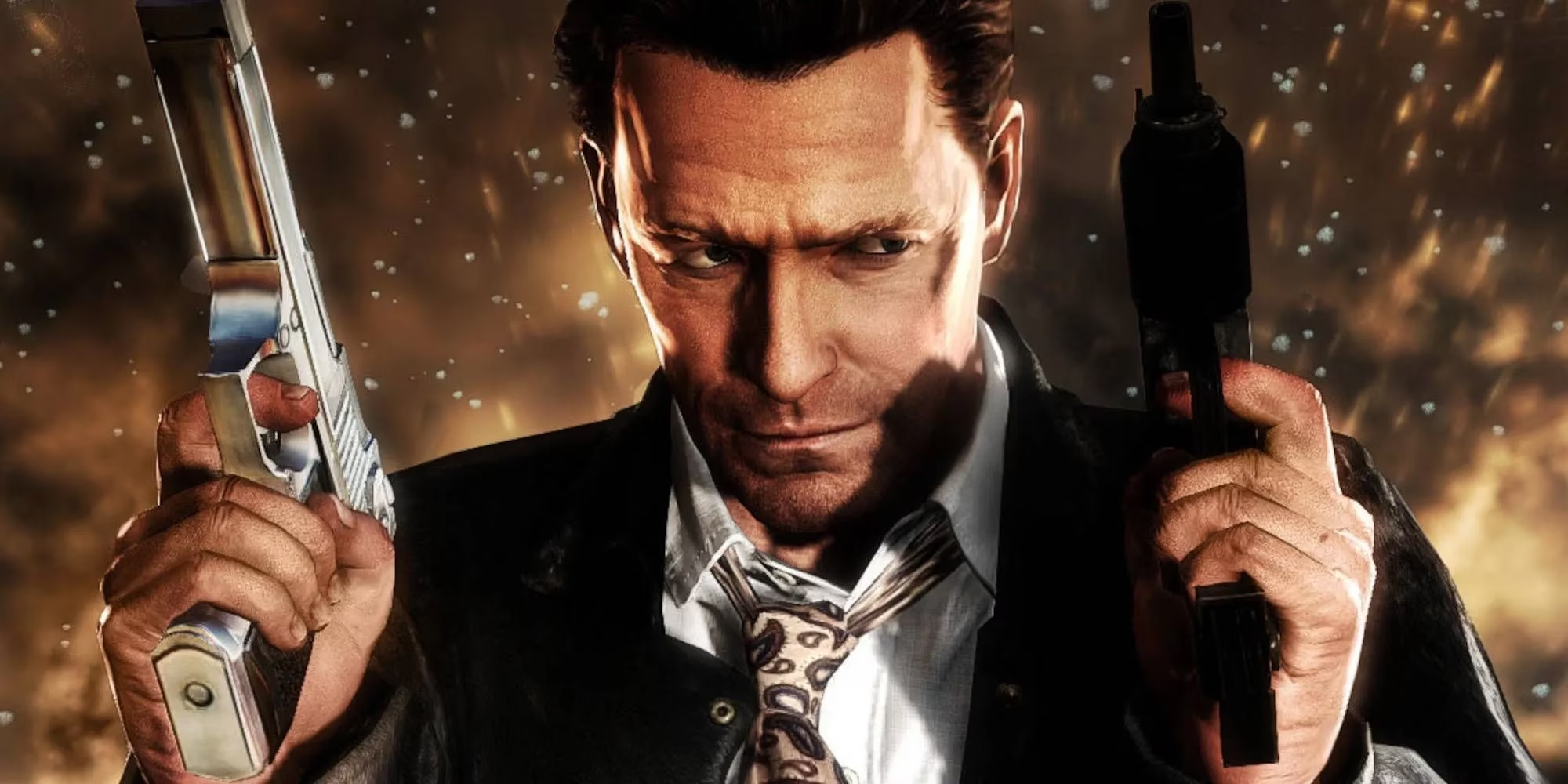
One of the earliest shockwaves came from Remedy Entertainment's Max Payne, which introduced Bullet Time to the masses. Before Max Payne dove sideways in a hail of gunfire, slow-motion action was a cinematic trick, not a player-controlled power. The mechanic wrapped the game in a gritty, operatic cloak—as if the world itself bent to the protagonist's pain. Max Payne became the archetype for the "thinking shooter," proving that a well-timed slowdown could give combat the rhythm of a jazz solo. In 2026, its DNA echoes in everything from Cyberpunk 2077's reflex boosters to indie slow-motion brawlers, though none have fully recaptured its raw, neo-noir soul.
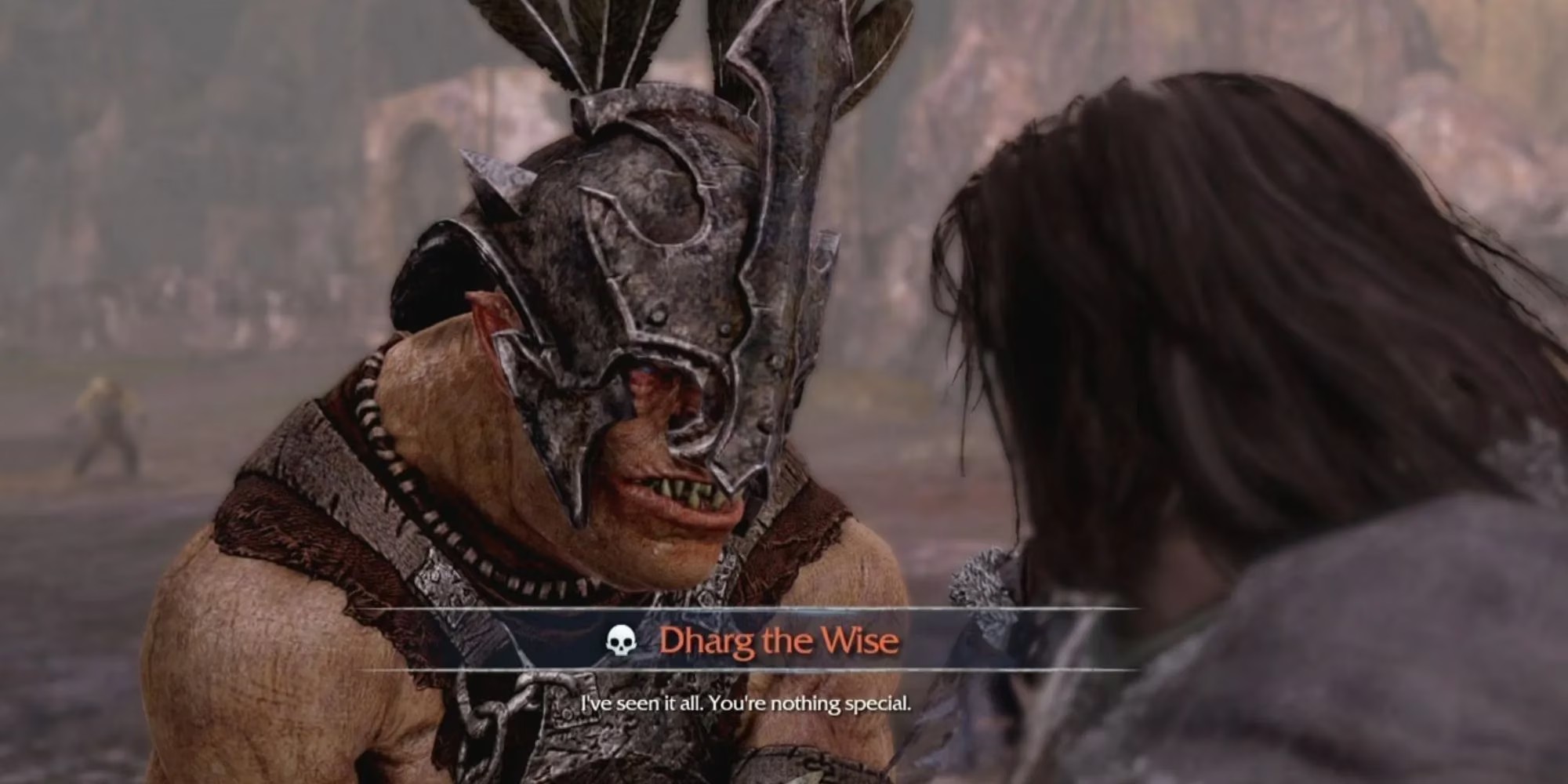
Then came the living, breathing enmity of the Nemesis System in Middle-Earth: Shadow of Mordor. This was not a static boss ladder but a dynamic ecosystem where enemies remembered your blades. Orcs you defeated could return with scars, their hatred personal. It functioned like a social network of violence, where promotions and grudges spread through the ranks. The mechanic turned procedural generation into procedural storytelling, making each player's war unique. Its absence from mainstream titles due to a deeply unfortunate patent is one of the decade's great creative droughts, but its influence still simmers in games that seek to make AI foes feel like characters rather than targets.
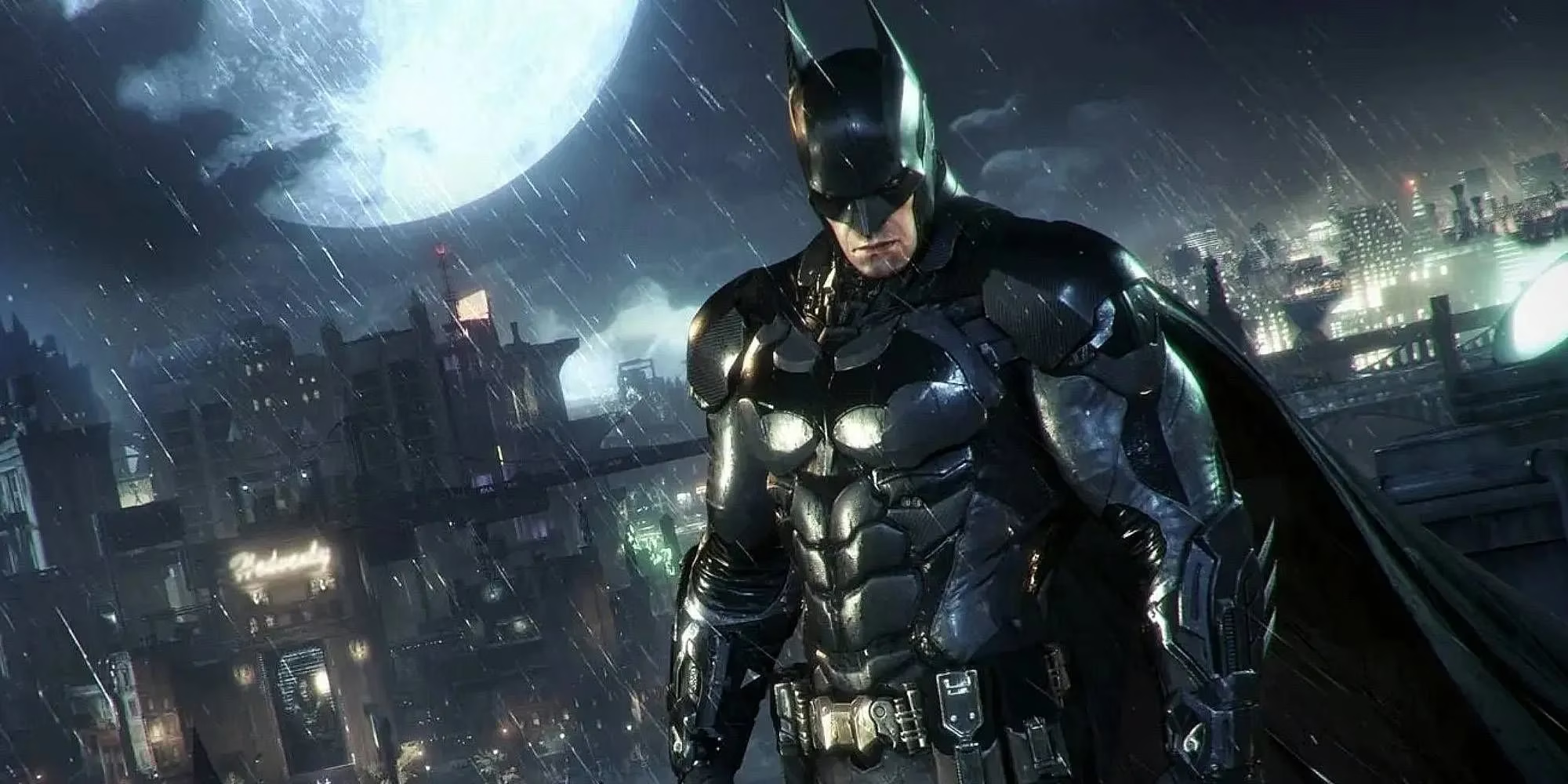
Rocksteady's Batman: Arkham Asylum did not invent the combo, but it refined it into a predatory ballet. The Freeflow combat system allowed Batman to flow between enemies like water through shattered glass, every counter and strike chaining into a seamless torrent of fists. This mechanic became a foundational pivot, transforming brawlers from button-mashing slogs into rhythmic performances. In 2026, studios still chase that feeling of effortless crowd control, though few achieve it without feeling like they're simply tracing Arkham's silhouette.
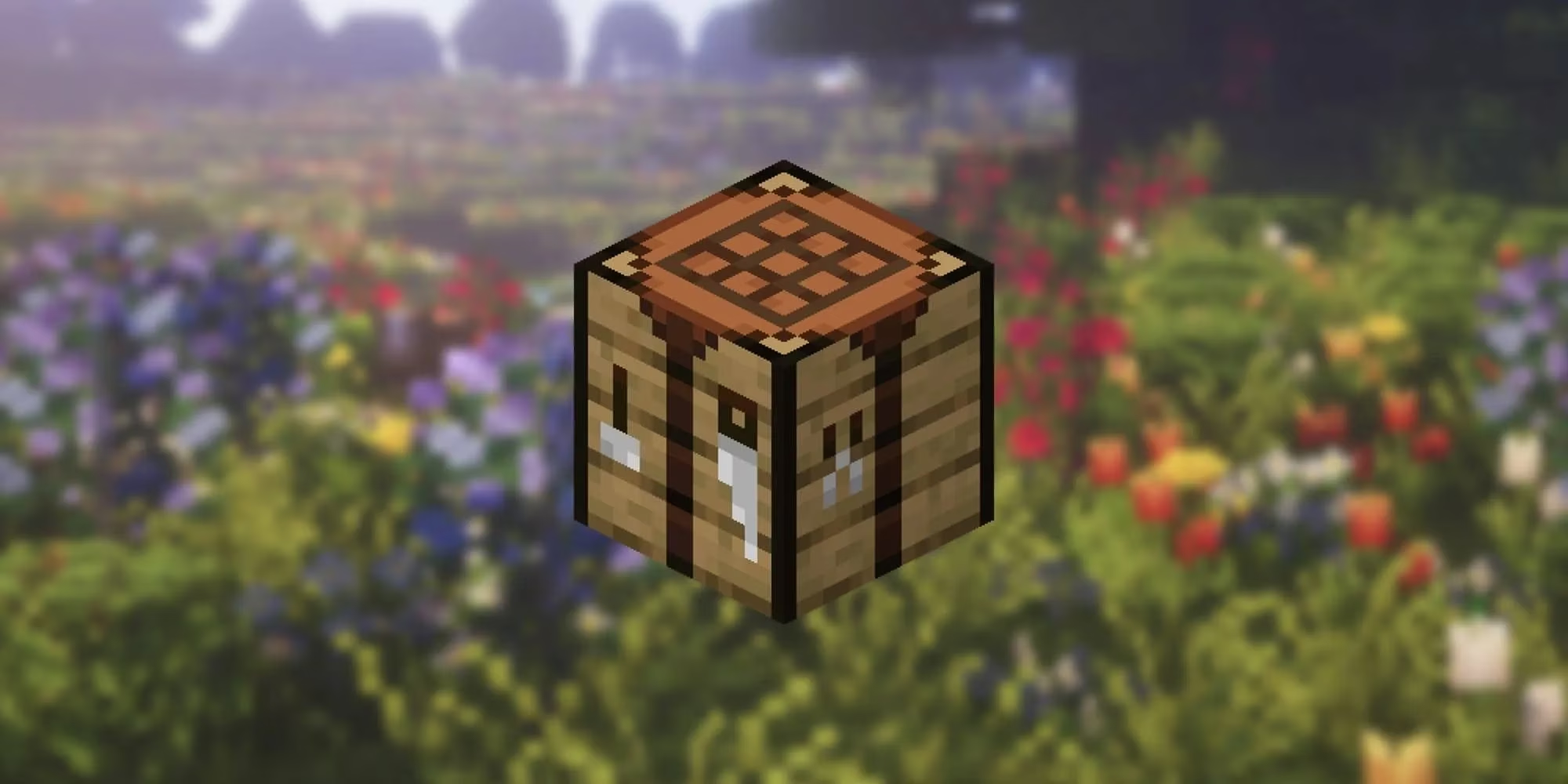
Crafting, of course, underwent its own Pleistocene explosion courtesy of Minecraft. Before the blocky phenomenon, combining items was a niche adventure-game relic. Minecraft hammered crafting into the cultural mainstream with the subtlety of a pickaxe through stone, turning resource gathering into a universal language. The mechanic now pervades nearly every survival and RPG title, though many implementations feel less like survival and more like a spreadsheet with prettier graphics. Yet Minecraft's original language of the crafting table remains the ur-tongue from which all modern systems descend.
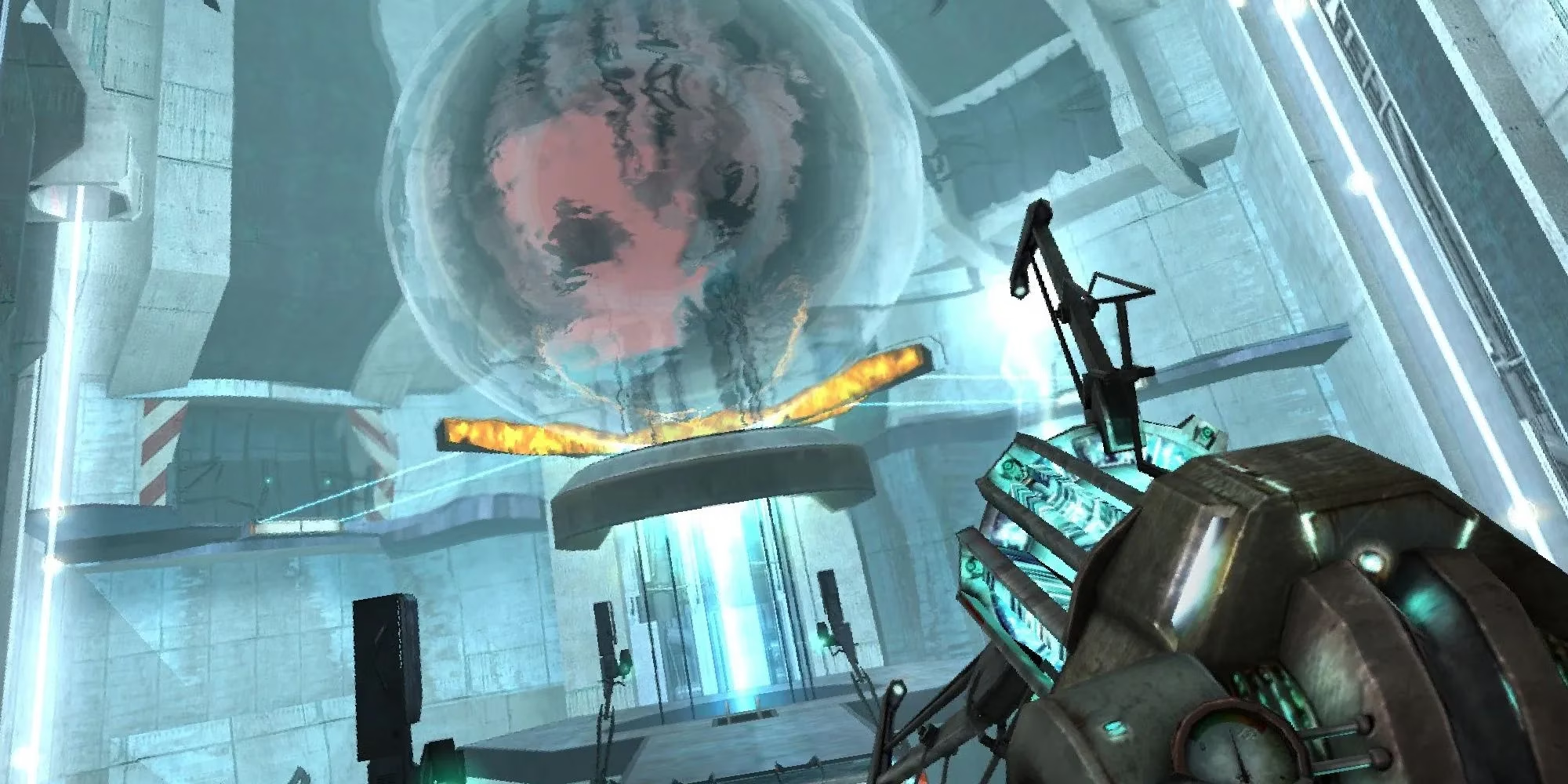
Valve's contribution to the physics pantheon arrived in the grip of the Gravity Gun from Half-Life 2. It was more than a weapon; it was a manifesto. Picking up a toilet and hurling it at a Combine soldier declared that the environment was no longer static wallpaper but a arsenal of possibilities. The Gravity Gun turned physics from a technical demo into a core gameplay loop, and its spirit inhabits every modern immersive sim where objects are toys waiting to be broken.
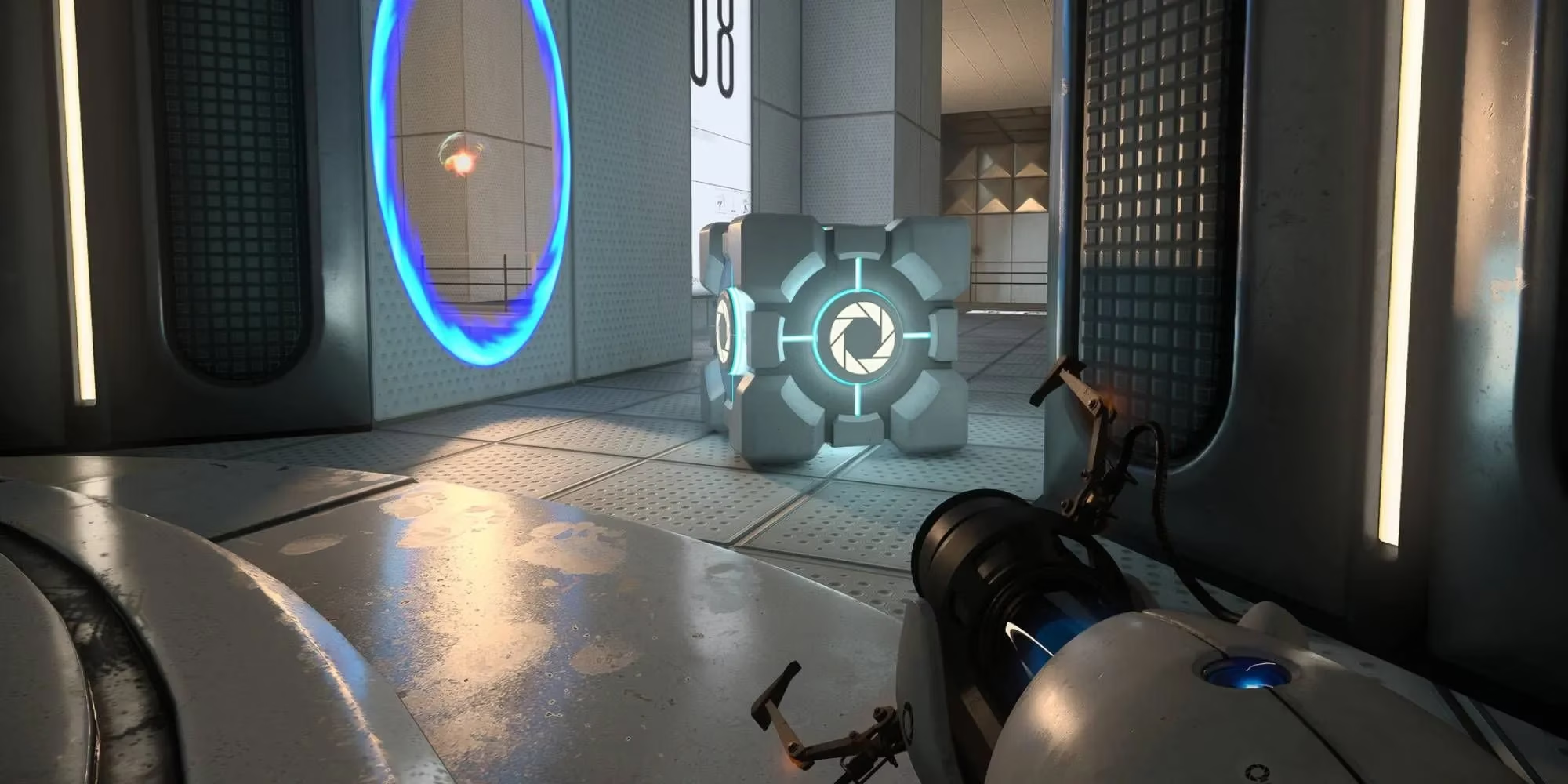
If the Gravity Gun was brute force, the Portal Gun from Portal was elegant logic. Give a player two connected holes in space, and suddenly geometry itself becomes a puzzle box. The mechanic's genius lay in its simplicity: orange and blue ellipses as verbs for thinking with portals. It spawned a dedicated genre of first-person puzzlers, from The Talos Principle to Viewfinder, proving that a single, perfectly executed concept can have infinite offspring.
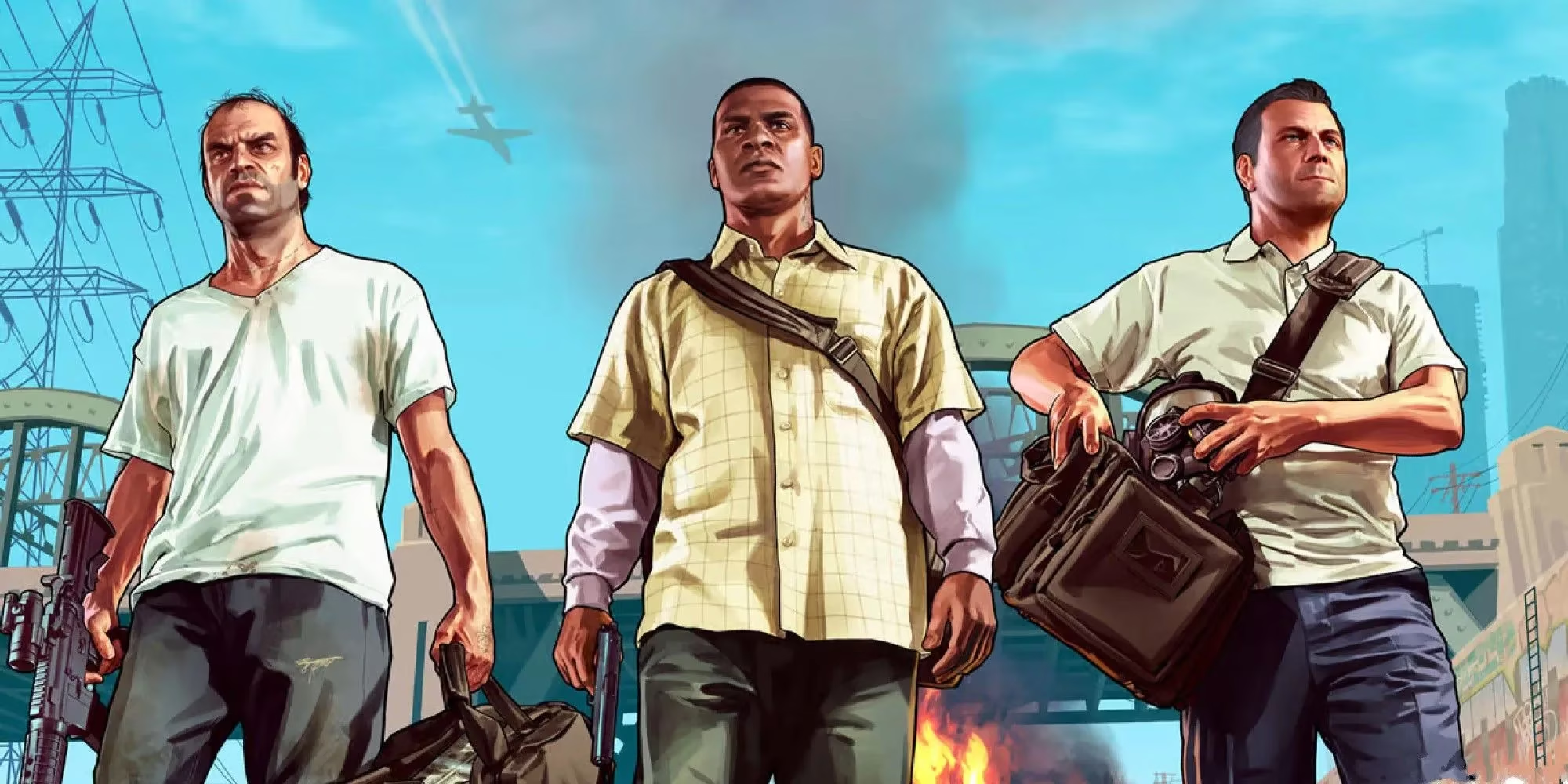
Grand Theft Auto V's character swap system stitched three protagonists into one fluid narrative tapestry. During heists and chases, switching between Michael, Franklin, and Trevor felt like a director cutting between cameras in an action film. It transformed missions from linear corridors into multi-perspective set pieces. While multiple protagonists existed before, GTA V's seamless, mission-driven swapping redefined ambition for open-world storytelling, an ambition only partially matched by titles like Watch Dogs: Legion's instant body-swapping in later years.
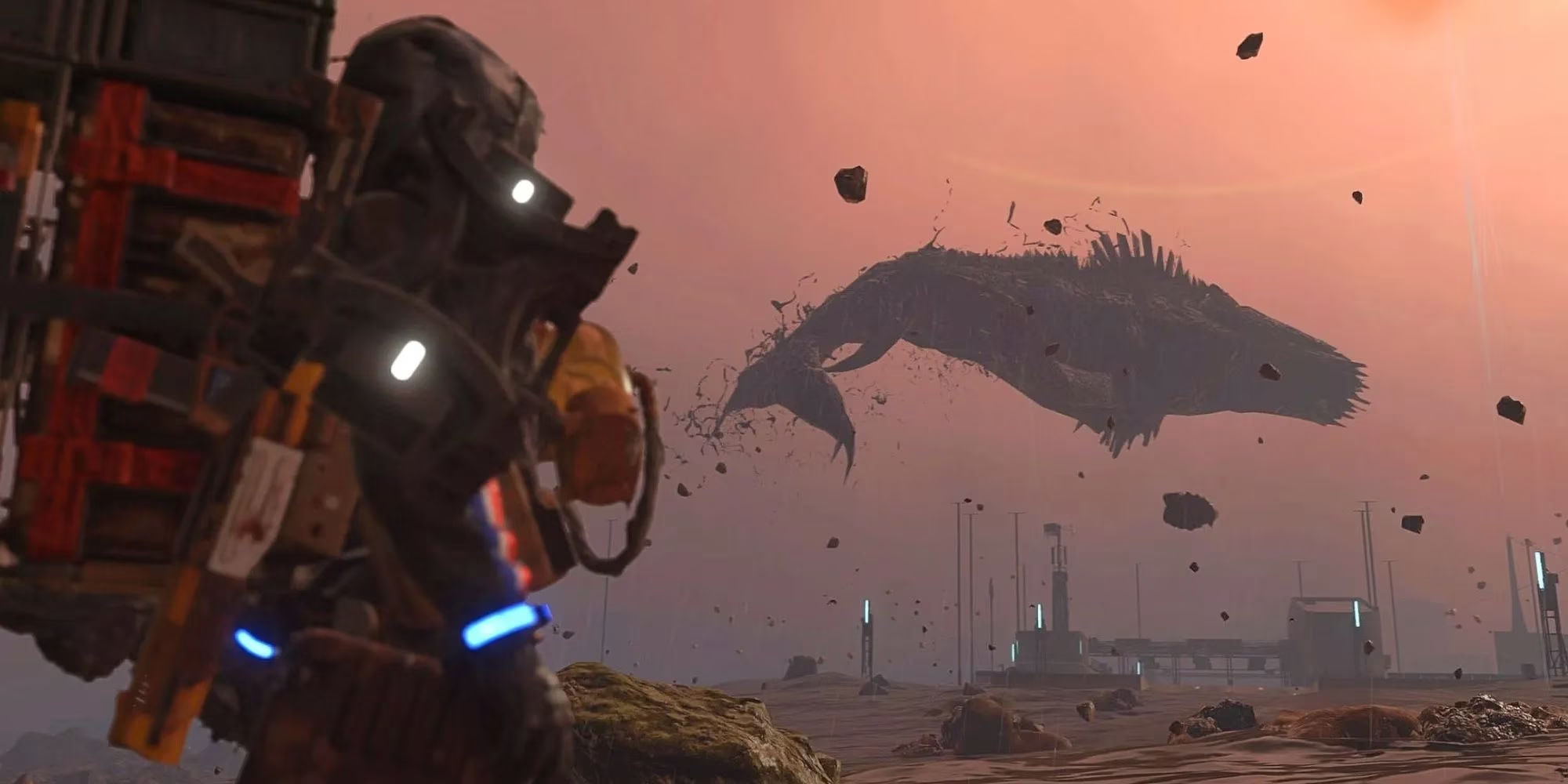
Finally, no mechanic has felt more like a quiet revolution than the Strand system in Death Stranding. In a world fractured by isolation, Kojima's courier simulation wove players together through shared structures that bloomed across landscapes like fungal networks after rain. A bridge built by a stranger miles away could be the difference between disaster and delivery. It turned asynchronous cooperation into a form of hopeful archaeology, where every footprint in the mud was a gift from another soul. In 2026, with persistent online worlds ever more common, the Strand ethos permeates everything from shared-world survival games to cooperative open-world events, reminding us that the most radical innovation in gaming was not a weapon, but a helping hand.
These eight mechanics didn't just sell copies; they bent light. Each acted like a prism, taking the white beam of interactive entertainment and diffracting it into something gamers didn't yet know they needed. Decades on, we still walk in their gravitational pull.