Ghost of Tsushima’s Japanese Milestone and the Rare Western Success
Ghost of Tsushima hits one million sales in Japan, becoming a rare Western PlayStation win in a tough market.
PlayStation Japan marked a notable achievement for Ghost of Tsushima with a social media post celebrating one million copies sold in Japan, accompanied by a gif of protagonist Jin Sakai. The figure covered both the original PlayStation 4 release and the enhanced PlayStation 5 version, Ghost of Tsushima: Director’s Cut. For a Western-developed samurai epic published as a PlayStation exclusive, the milestone carried unusual weight. It arrived nearly three years after launch, a period in which the game had already earned widespread praise for its visual design, open-world atmosphere, and cinematic presentation. Yet the Japanese sales total gave the achievement a different kind of meaning: it showed that an American studio could succeed in a market that has often been difficult for foreign games to conquer.
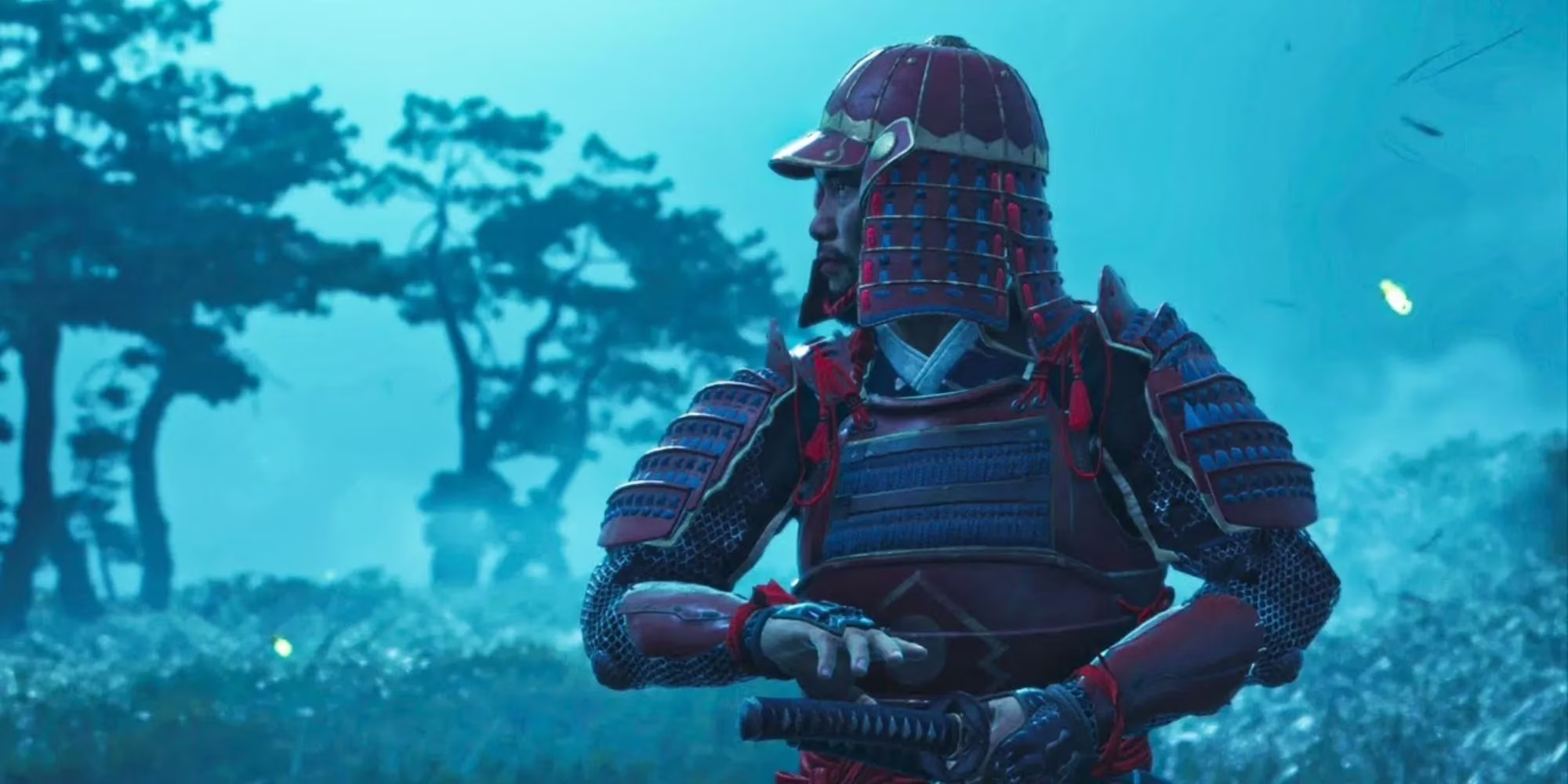
A Rare Western Win in Japan
The significance begins with the developer. Ghost of Tsushima was created by Sucker Punch Productions, a studio based in Bellevue, Washington. The game’s subject matter, tone, and visual language drew heavily from Japanese history and samurai cinema, but its production was firmly Western. That combination made the one-million milestone especially striking. PlayStation titles outside enormous franchises such as Monster Hunter do not tend to sell exceptionally well in Japan anymore, particularly when compared with the performance of many Nintendo Switch games. In that context, a new Western-made PlayStation exclusive reaching seven figures in the country stood out.
The achievement also placed Ghost of Tsushima in a small group of Western games that have found real traction in Japan. According to the reference account, it became the biggest-selling Western game in Japan since Minecraft. That comparison is important because Japan has long been described as a notoriously difficult market for major foreign titles. One industry blog observed that no foreign-made title appeared in Famitsu’s top 100 best-selling games in Japan between January 2001 and September 2013. The rule has exceptions, but they are rare and often spectacular.
The Numbers Behind the Celebration
The sales landscape around Western games in Japan helps explain why the Ghost of Tsushima milestone attracted attention. Minecraft remains the outstanding exception, with more than seven million sales across multiple platforms, including mobile, PS Vita, Wii U, PS4, and especially Nintendo Switch. The second-best-selling Western game in Japan, at 3.25 million sales, is the SNES classic Donkey Kong Country, developed by Britain’s Rare. Even a mega-blockbuster such as Grand Theft Auto 5 has sold only 1.8 million copies in Japan, underlining how differently the market can behave.
| Western title | Reported Japanese sales |
|---|---|
| Minecraft | More than 7 million |
| Donkey Kong Country | 3.25 million |
| Grand Theft Auto 5 | 1.8 million |
| Ghost of Tsushima | 1 million |
Ghost of Tsushima also joined a select group of Sony-related first-party or major console titles that have reached one million in Japan, with the reference listing Elden Ring, Final Fantasy 7 Remake, Dragon Quest 11, and Monster Hunter World as comparable examples. The comparison is not perfect, because those franchises carry different histories and audiences, but it reinforces the point: one million in Japan is not a routine result for a Western-developed PlayStation title.
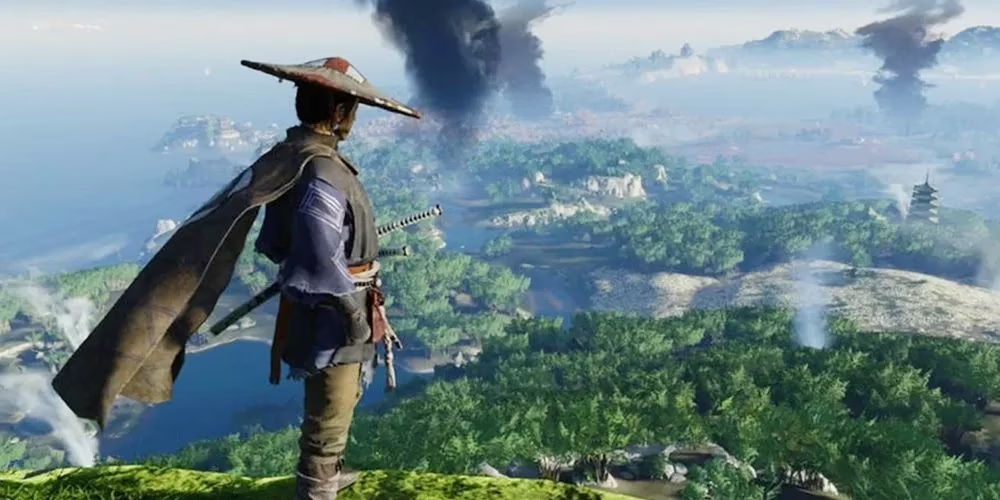
Why Japanese Developers’ Praise Mattered
The commercial milestone was only part of the story. Some of the most meaningful reactions to Ghost of Tsushima came from Japanese game developers. Yakuza producer Toshihiro Nagoshi, Final Fantasy 16 producer Naoki Yoshida, and former Capcom developer Shinji Mikami were among those who complimented Sucker Punch’s samurai epic. Nagoshi was especially enthusiastic, calling the game amazing and praising its developer. For a Western studio attempting to craft an experience rooted in Japanese culture, such recognition added cultural credibility to the technical and commercial success.
The praise also highlighted how Ghost of Tsushima balanced spectacle with authenticity. Its world evoked classic samurai imagery, but the game was not merely a pastiche. It used those influences to build a distinctive open-world adventure, and that combination resonated with players both inside and outside Japan. The Japanese sales figure therefore represented more than brand strength or exclusivity; it suggested that the game’s artistic choices had crossed a cultural boundary without losing their appeal.
A Benchmark for the Future
By 2026, the one-million figure in Japan remains a useful benchmark for evaluating Western games in the Japanese market. It is a reminder that global blockbuster status does not automatically translate into Japanese success, and that cultural resonance, platform strategy, and timing can matter just as much as raw production budget. The reference report also noted that a sequel was known to be in development but would not appear at the then-upcoming PlayStation Showcase. That detail added anticipation around the franchise’s future, even as the first game’s Japanese milestone continued to stand on its own.
For Sucker Punch Productions, Ghost of Tsushima became a rare case of a Western-developed PlayStation exclusive achieving seven-figure sales in Japan while also earning praise from prominent Japanese creators. For PlayStation, it offered evidence that a carefully crafted new property could still break through in a market where foreign titles often struggle. And for the wider industry, the milestone served as a concise case study in how a game can succeed commercially and culturally when its inspirations are handled with care. 🎮