How I Learned to Master Minecraft’s Daylight Cycle
Minecraft’s daylight cycle runs on fast Minecraft time, turning sunrise, noon, and hostile nights into survival deadlines you must plan around.
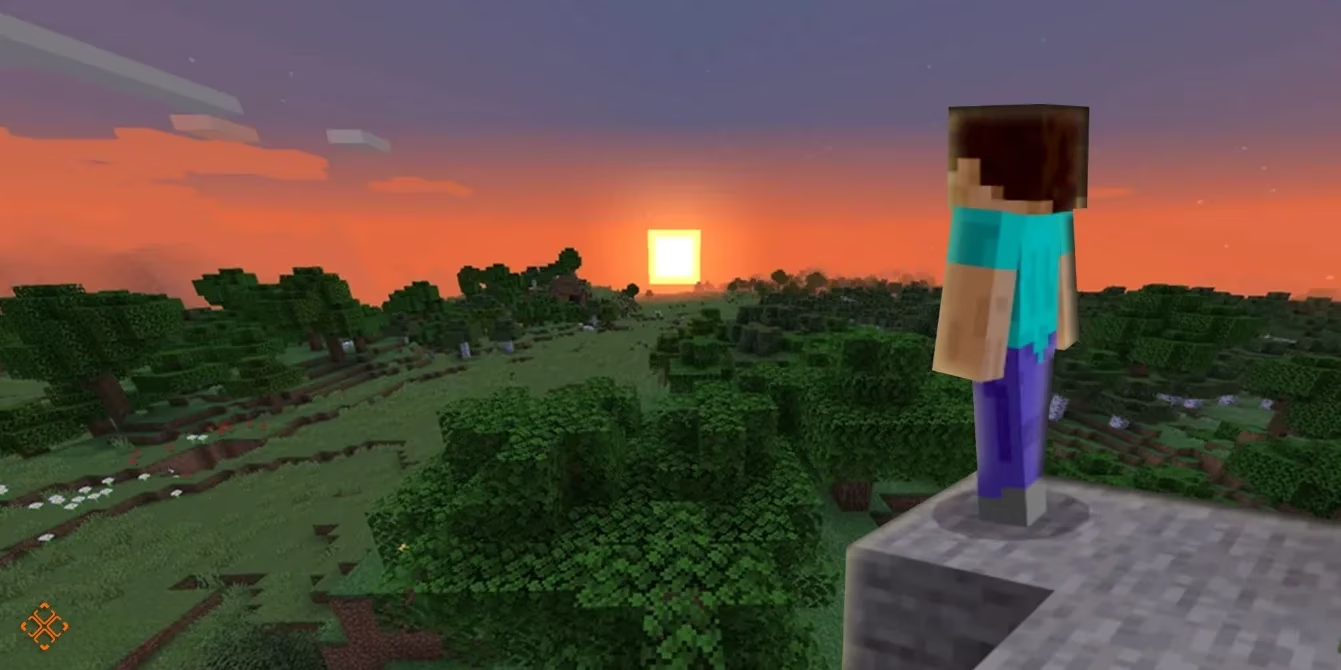
I still remember my first Minecraft night in 2026 — well, technically it was a brand-new world, but the panic felt ancient. I had spent the afternoon punching trees and stacking dirt, and then the sky turned orange. Within minutes, zombies groaned somewhere beyond my torchlight. That was the night I learned that Minecraft’s daylight cycle is not background decoration; it is the clock that runs the entire world.
The 20-Minute Day That Feels Like Seconds
Minecraft time moves fast. Really fast. The game runs about 72 times faster than real life, which means a full day and night can pass while you are still deciding where to put your first door. From the moment I spawn, I know I have roughly twenty minutes before the next dawn if I do not sleep. That sounds generous until I am deep in a cave with no torches and a pocket full of raw iron.
| Minecraft moment | In-game time | What it feels like |
|---|---|---|
| Sunrise | ~6:00 AM | The world wakes up |
| Noon | ~12:00 PM | Maximum light, maximum confidence |
| Sunset | ~6:00 PM | The warning bell |
| Midnight | ~12:00 AM | Hostile hours |
A single Minecraft hour is about 1,000 ticks, but I do not count ticks. I count mistakes. I count the number of times I have said 'just one more block' and then heard a skeleton’s bowstring.
What Daylight Actually Changes
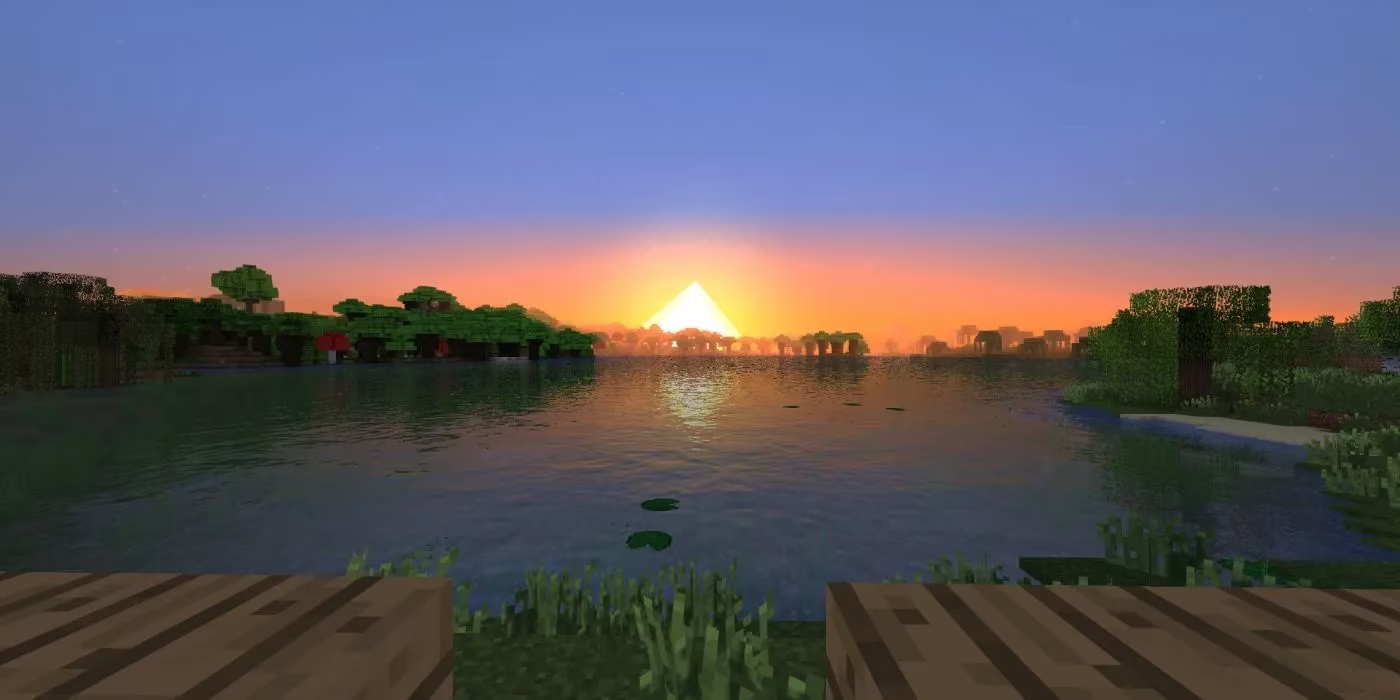
Daytime is not just pretty lighting. When the sun climbs high enough, hostile mobs touched by sunlight start to burn. Spiders turn neutral. Endermen begin teleporting around randomly, and if they were aggressive, they often calm down after a few seconds. Drowned are stranger still: during the day they may ignore me completely if I stay on land or in a boat, even while they are still dangerous in the water.
Every block in sight can reach light level 15 during the day, the brightest possible level in the game. That is why I feel safe building a roof or mapping a coastline at noon. At night, light levels on land can drop as low as four, and that is when the world starts telling a different story.
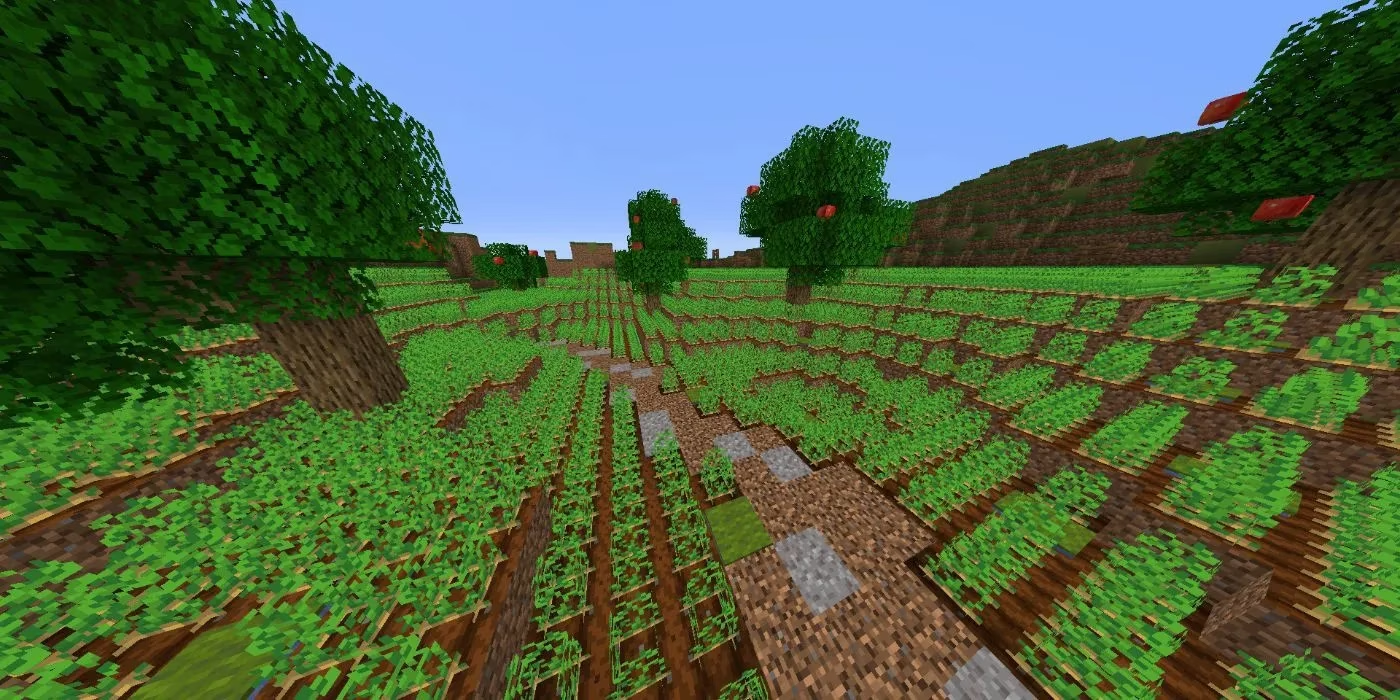
Crops still grow at night, even under moonlight. But if I sleep, the night is skipped and none of that growth progress is registered. The same goes for anything left inside a furnace: it will not magically finish while I dream. I learned to sleep every other night anyway, mostly to avoid Phantoms, but also because a bed is a promise that the night will not last forever.
Villagers Run on a Tiny Schedule
Villages are where the daylight cycle becomes almost theatrical. Villagers wake around 6:00 AM, start working at their stations two hours later, and consider the workday finished around 3:00 PM. After that, they gossip, breed, and wander. By 8:00 PM — about ten real-time minutes into my session — they run indoors and hop into bed.
| Villager routine | Minecraft time |
|---|---|
| Wake up | ~6:00 AM |
| Start work | ~8:00 AM |
| Workday ends | ~3:00 PM |
| Bedtime | ~8:00 PM |
I once built a house beside a village and used their schedule as my own. When they ran inside, I ran inside. It was the most disciplined I have ever been in a sandbox game.
Rain, Clocks, and the Sky
Weather messes with the daylight cycle in small but important ways. During rain, mobs can spawn earlier and remain longer because the sky is overcast. The difference is not huge, but it is enough to catch me off guard. On rainy days I cannot trust the sky, so I carry a clock.
A clock is simple: four gold ingots with a piece of redstone dust in the middle. It works in bad weather and keeps me immersed. When I do not have one, I use the sun and moon. The sun rises in the east and sets in the west, which also helps with direction. The moon does the same, so its height tells me how much night is left. If all else fails, I press F3 and read the debug screen like a scientist who is also slightly lost.
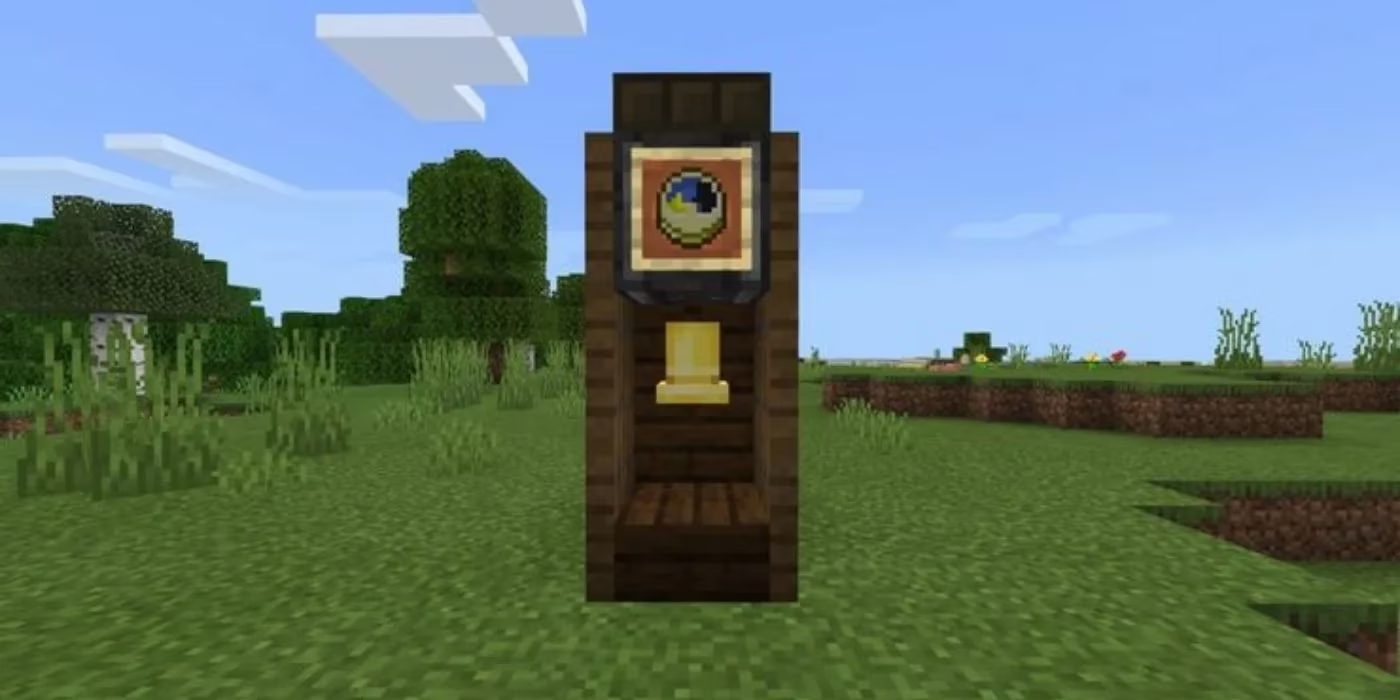
There are three reliable ways to tell time in Minecraft:
-
🕒 Craft and use a clock
-
🌞 Track the sun or moon across the sky
-
🖥️ Check the debug screen with F3
Moon Phases Are Not Just Pretty
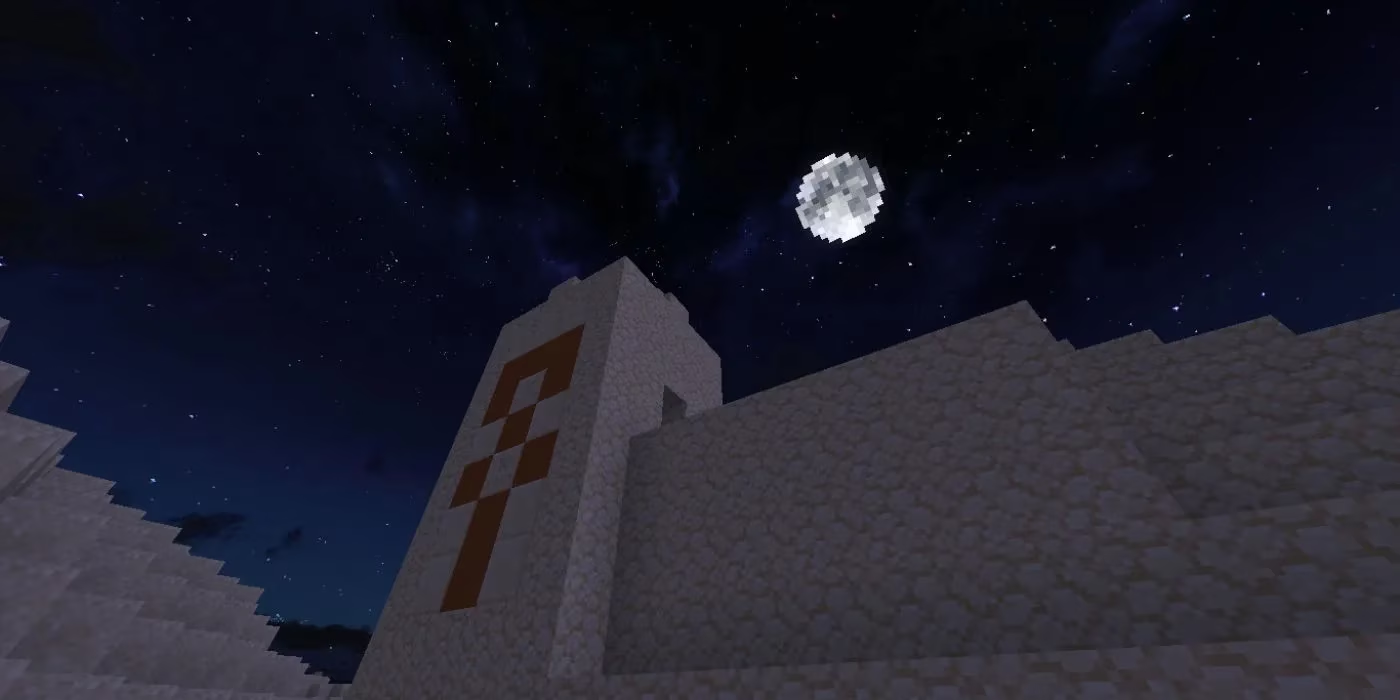
The moon is not only a nightlight. It changes mob behavior, especially near a full moon. During and close to a full moon, slimes spawn in abundance in swamp biomes, half of the cats that spawn are black cats, hostile mobs may appear with enchanted weapons and armor depending on difficulty, and spiders can spawn with special status effects. I plan my swamp trips around that phase now, because a quiet bog can become a bouncing green problem very quickly.
In 2026, Minecraft still rewards players who pay attention to time. I no longer panic when the sky turns orange. I check my clock, finish my task, and head home before the first zombie groans. The daylight cycle is not a countdown to danger; it is a rhythm, and once I learned to move with it, the whole world felt less like a survival test and more like a story I was allowed to write.