How I Went From Novice to Pro Builder in Minecraft (15 Simple Tips)
From themed buildings to custom paths and atmospheric details, these Minecraft building tips transform simple blocks into living medieval towns.
I still remember my very first house in Minecraft. A dirt box with a wooden door, a crafting table shoved into the corner, and a single torch on the wall. I was proud of it back then, but looking at the sprawling medieval town I've built today—connected by winding paths, dotted with custom trees, and alive with tiny atmospheric details—I can't help but smile at how far I've come. The best part? You can do it too. After six years of experimenting, failing, and learning, I want to share the simple mindset shifts and techniques that completely transformed my builds.
Let me start with the single biggest game-changer: giving every activity its own themed building.
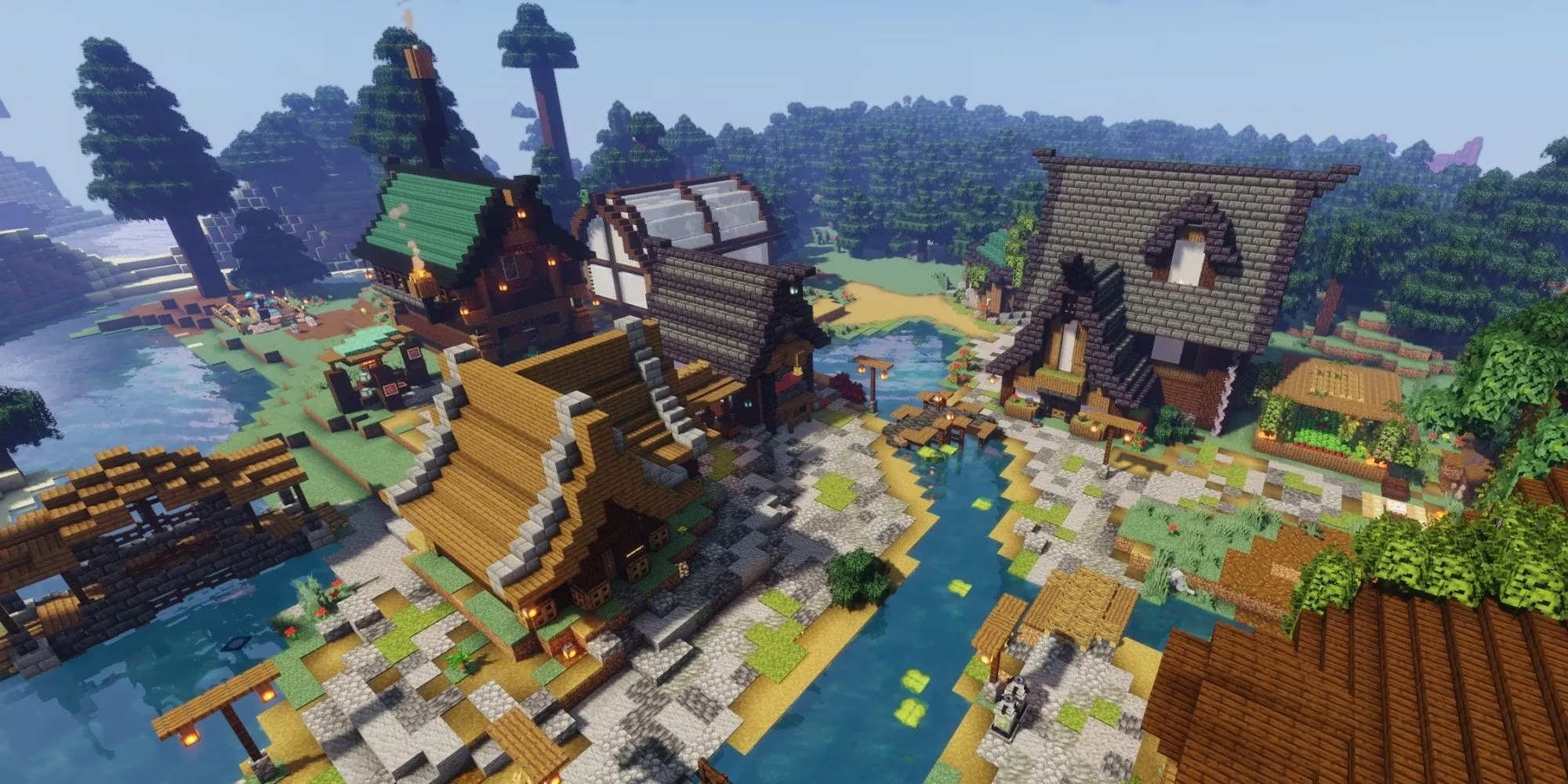
When I decided to stop cramming everything into one base, my world suddenly felt like a real community. I built a witch’s cottage for potion brewing, tucked away in a dark forest with twisted vines. A wizard’s tower for enchanting rose above the clouds, filled with bookshelves. A sturdy stone vault protected my most precious items. Keeping a consistent block palette across these builds—mostly deepslate tiles, spruce wood, and crimson accents—tied everything together despite their different themes. That leads naturally to another lesson…
Paths. Oh, how I underestimated paths! For years I just had grass strips between my buildings. Then I discovered the magic of custom paths.
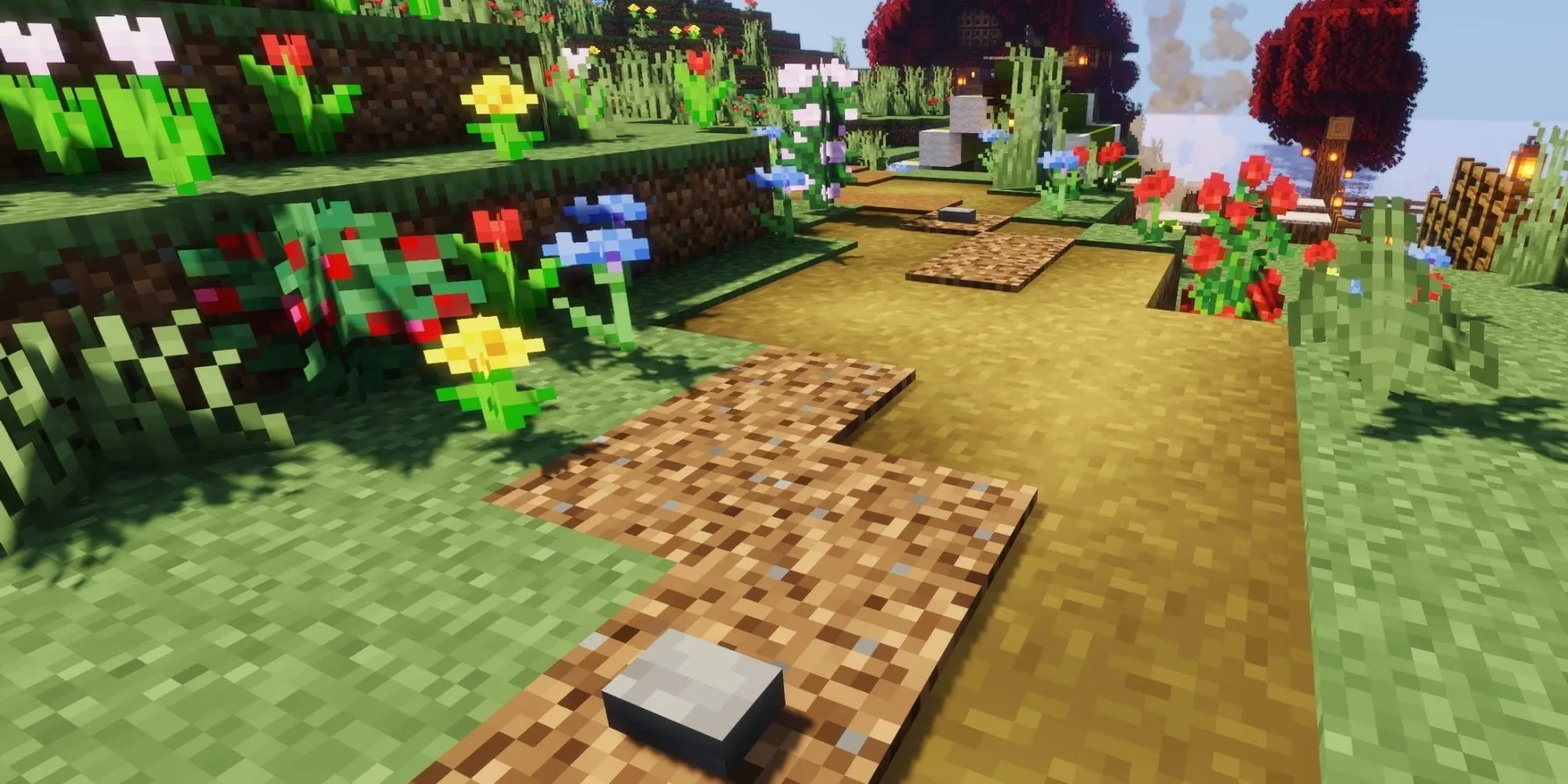
Mixing coarse dirt, podzol, brown terracotta, and stone buttons as pebbles created a network that felt organically worn. Suddenly my town looked lived-in. And along those paths, I started scattering smaller features for atmosphere—a little pond here, a campsite with a campfire there, a simple bench overlooking the river.
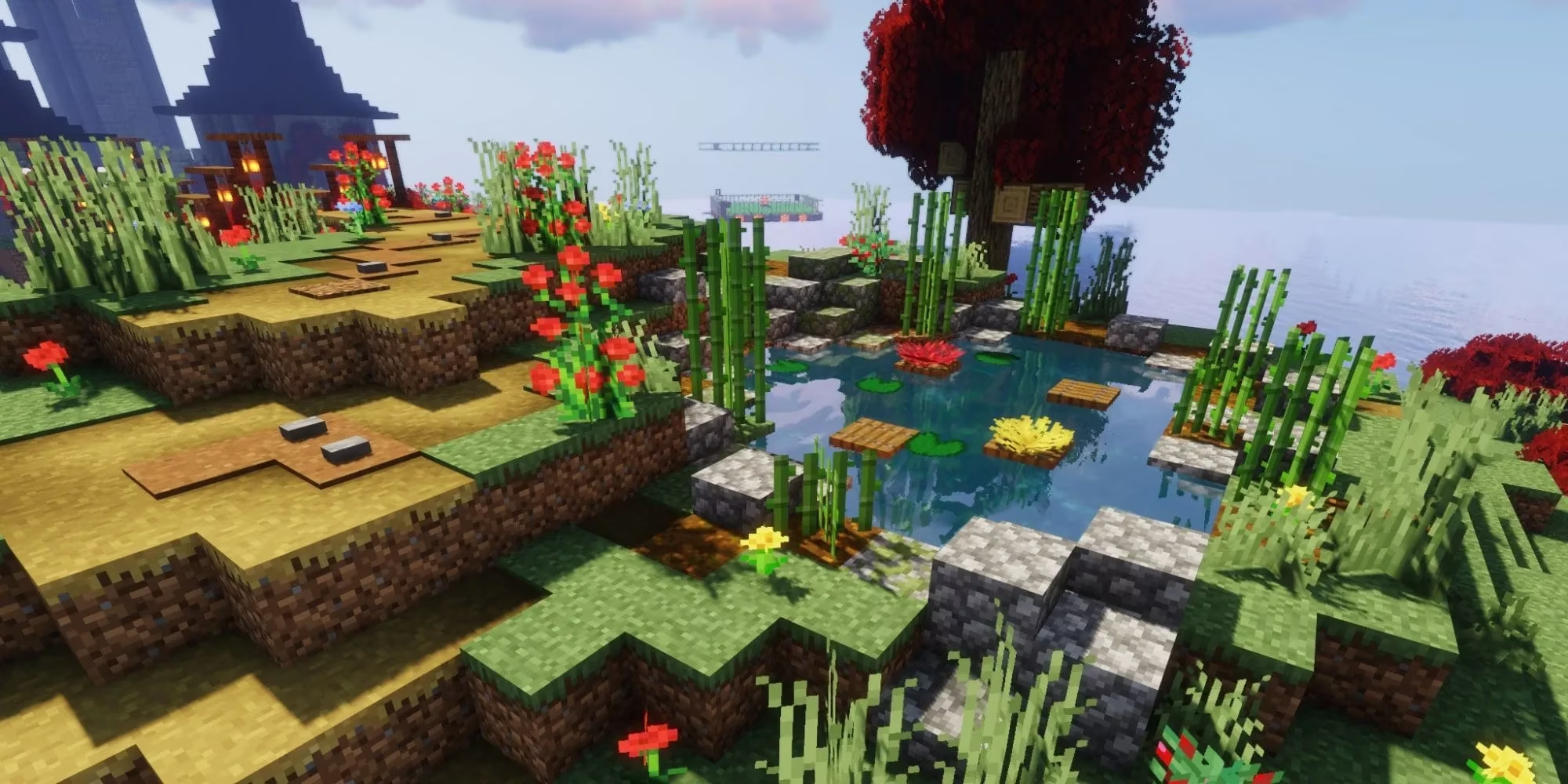
These tiny additions became the soul of my world. A friend once visited and spent ten minutes just sitting on a bench I'd made from stairs and signs, watching the sunset. That’s when I knew the details mattered.
Then came trees. I used to just spam bonemeal on saplings and call it done. But building custom trees from scratch—even simple ones—elevated the entire landscape. I'm not talking about massive organic masterpieces. A basic oak shape with fences for trunks and leaves placed a bit bigger than normal already looks leagues better.
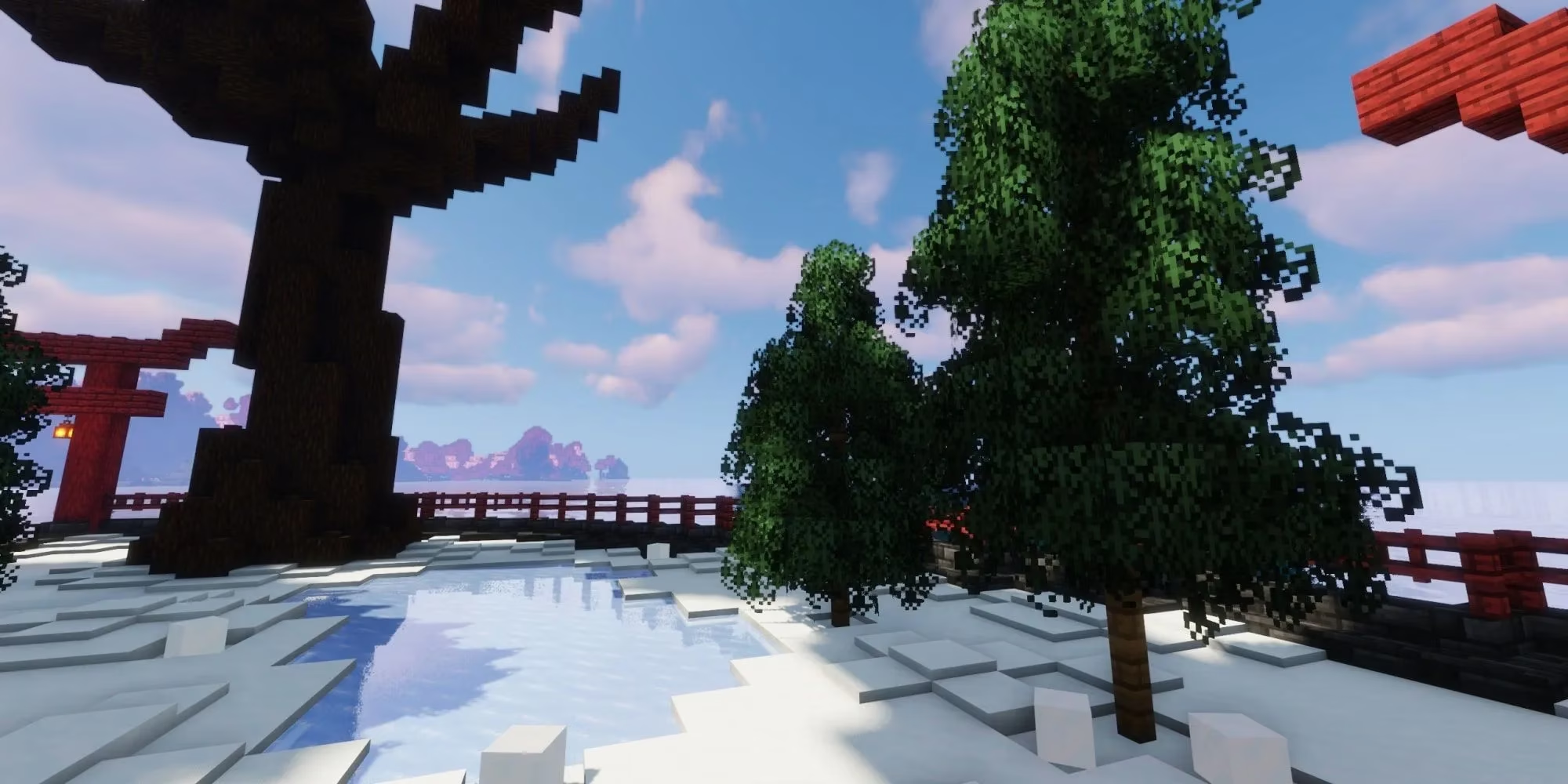
It’s tricky at first, but after a dozen attempts you learn how Minecraft’s blocky nature can still produce something that feels organic. Pro tip: work from the trunk upward and then outward with leaves, placing a few extra blocks for that "windblown" look.
Now, let’s step inside. How many builds have gorgeous exteriors but bare, soulless interiors? I was guilty of that too. A bed, a furnace, some chests—that was it. Taking interiors seriously meant dividing rooms with walls, adding furniture made from stairs and slabs, using paintings, flower pots, and even item frames with tools. My kitchen now has a smoker, a cauldron, and a crafting table hidden in a counter design. It feels like a home, not a shed.
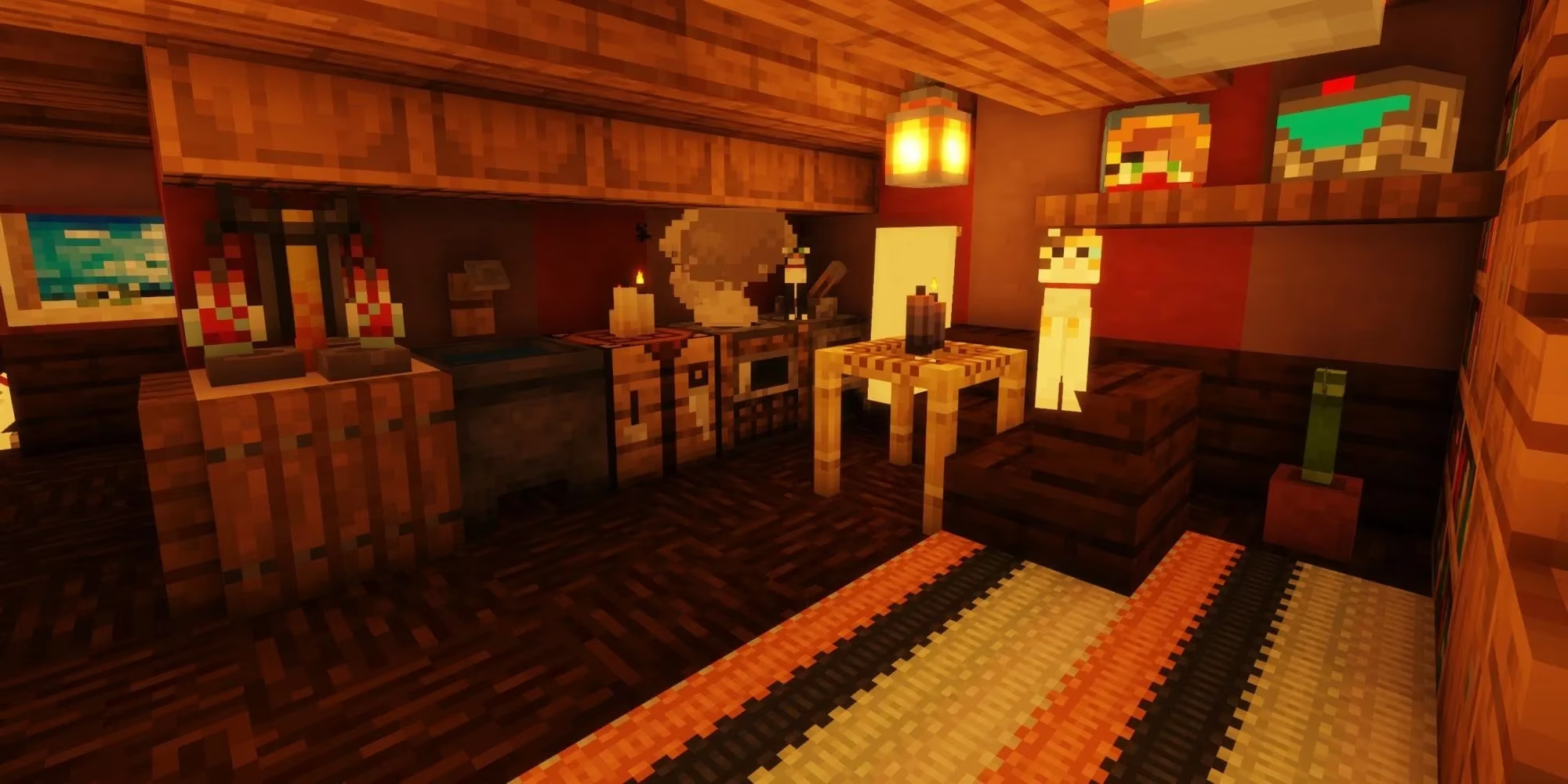
Another breakthrough: mixing similar blocks for variation. Nobody wants a flat, monotonous stone wall. I started incorporating cracked stone bricks, mossy cobblestone, and even andesite into my castle walls. The difference is night and day. It looks weathered, realistic, and far more interesting. This works for everything—wood planks, terracotta floors, even dirt paths.
And then there's depth. Minecraft’s default 90-degree angles can feel... flat. Experimenting with depth meant building walls that protrude at certain points, using stairs and slabs to create recesses and pillars. A simple frame of stripped logs around a door or window instantly adds character.
I also had to confront the age-old enemy: mob-proofing. Torch spam is ugly. But smart mob-proofing saved my aesthetics. I hid glowstone under carpets, used bottom slabs on roofs and paths (mobs can't spawn on them), and incorporated lanterns into my design naturally. My build stayed beautiful and safe.
Wood has become one of my favorite tools after I started mixing wood types. A cherry-blossom house with birch floors and dark oak beams? Stunning. Mangrove and warped stem together create an alien vibe I love.
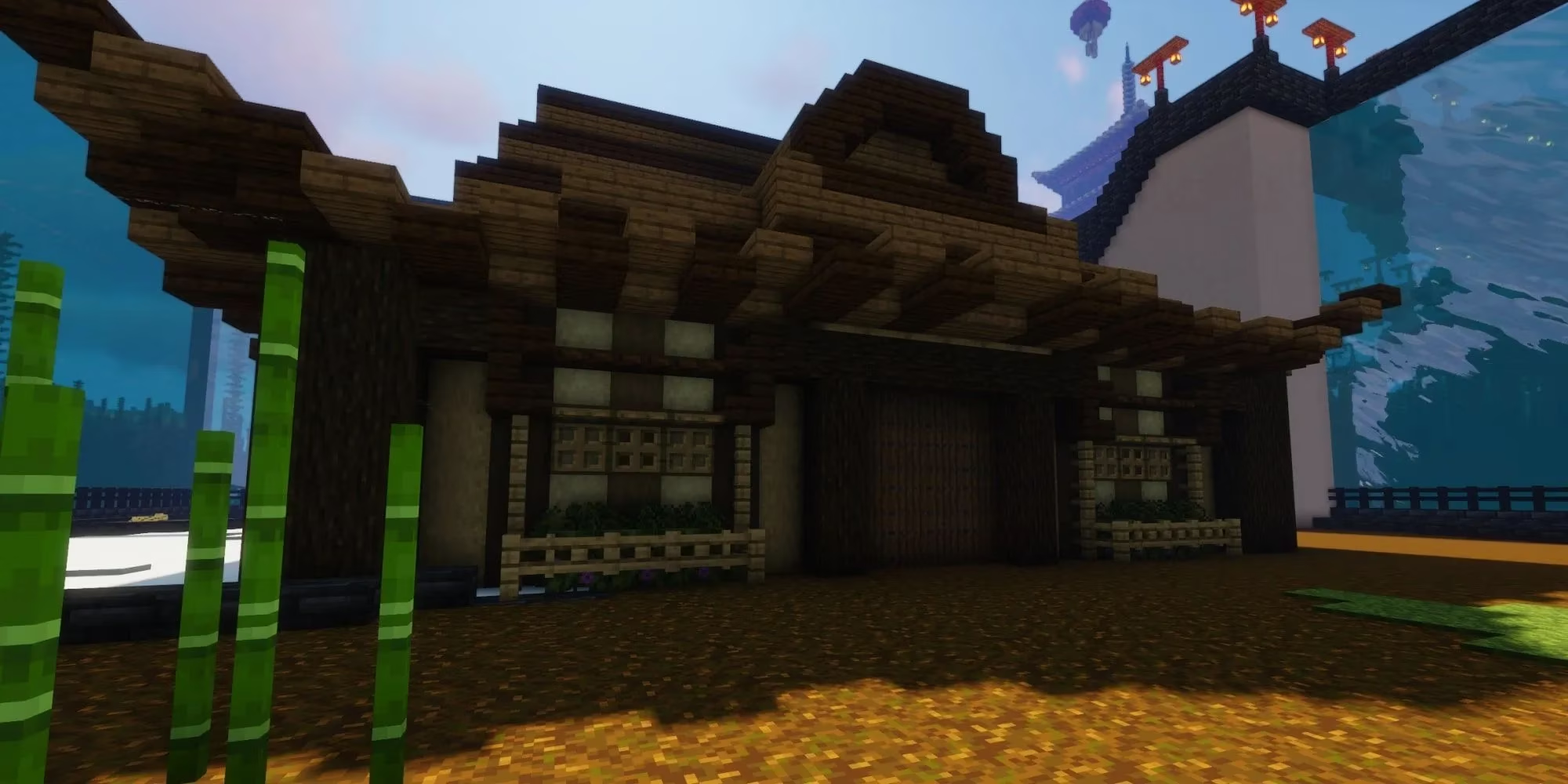
Finally, I stopped fighting the terrain and started embracing the natural environment. My current base is a cliffside lighthouse dug into an amplified mountain, overlooking a deep ocean. Ravines became underground cities; giant jungle trees became interconnected treehouse villages.
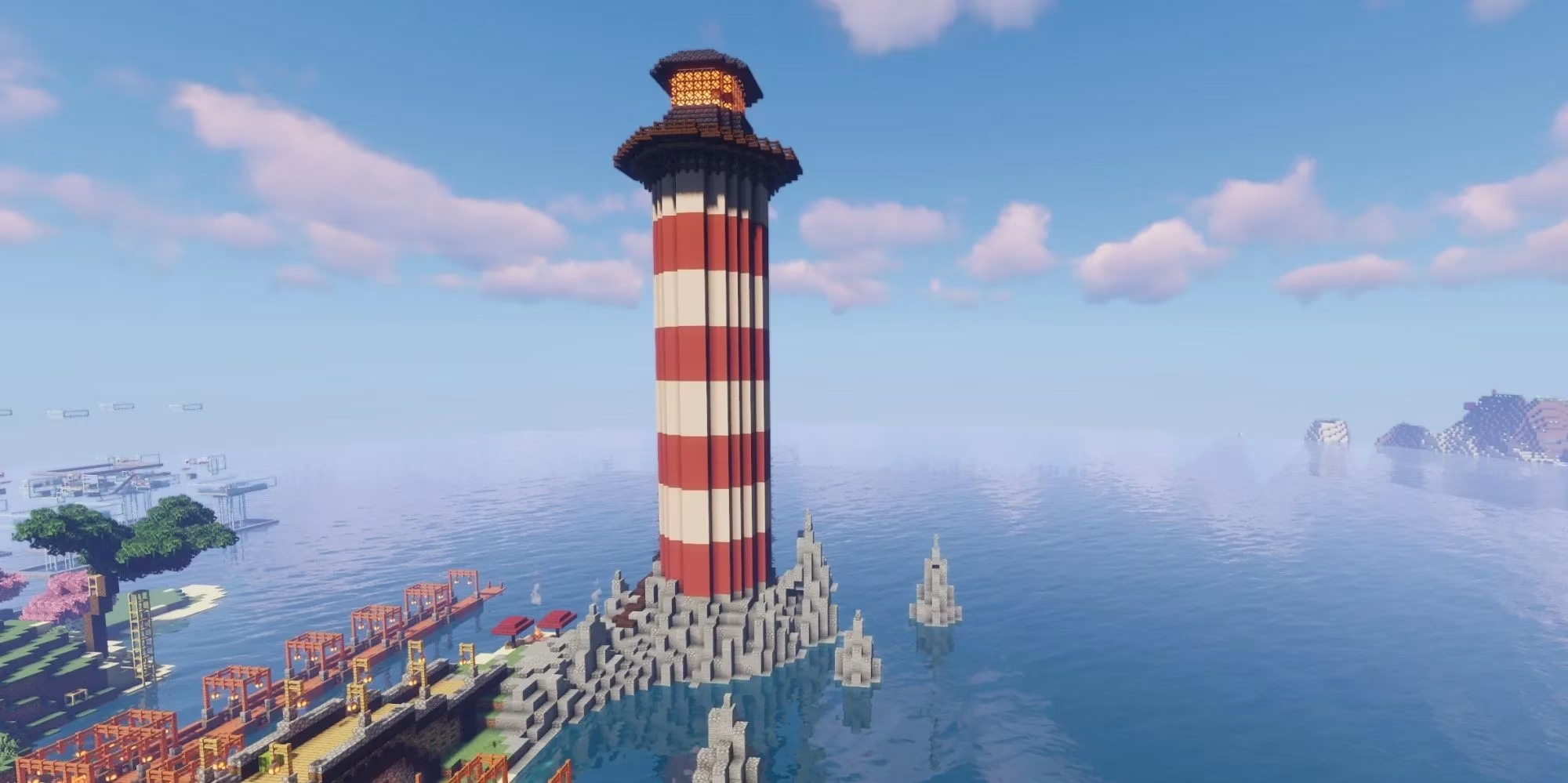
In 2026, with all the new wood types, foliage blocks, and even the Armadillo scute for decorations, the possibilities have only exploded. I still try one new technique per week, and it keeps the game fresh.
So, whether you're still in a dirt box or a sandstone mansion, remember: building isn't about perfection. It's about telling a story. Give your world personality, one path, one tree, one detailed room at a time. I promise, you'll look back in a year and be amazed at what you’ve created. 🏡✨