How to Build a Minecraft PvP Arena: 7 Essential Steps for 2026
Build a fair, unforgettable Minecraft PvP arena in 2026 with clear rules, themed maps, and balanced player counts.
Multiplayer PvP remains one of Minecraft's most electric experiences in 2026. The passion for player-versus-player combat has spread into every corner of the community, from famous public servers to private friend groups. After playing on countless battle royale maps and dueling arenas, many builders feel the urge to create their own. Whether the goal is a public server attraction or a private playground for friends, a great PvP arena does not happen by accident. It requires planning, testing, and a clear vision. Here is how a builder can turn that vision into a polished, fair, and unforgettable arena.
7. Define the Rules of the Arena 🛡️
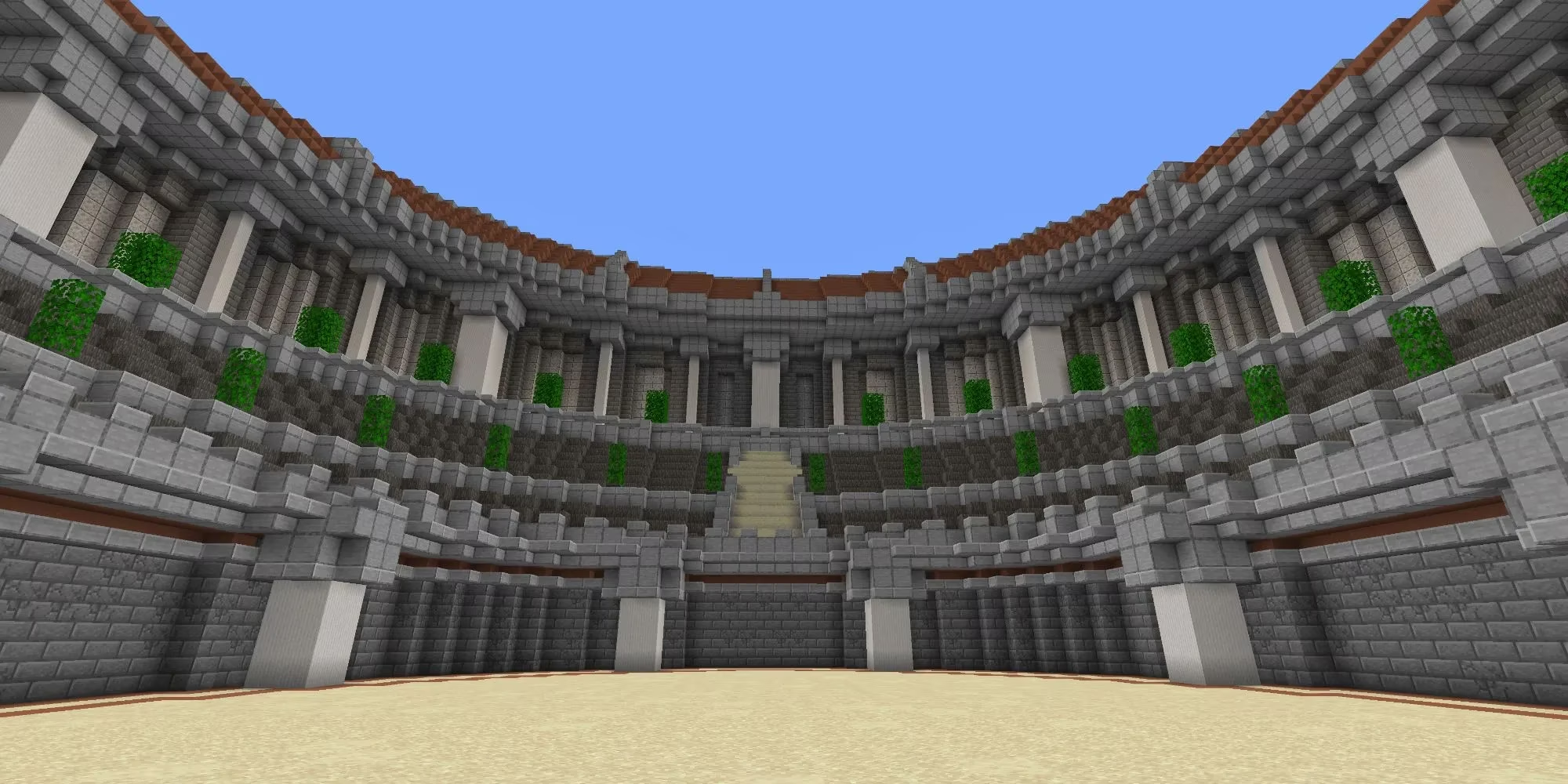
Before any blocks are placed, the builder must decide what kind of PvP experience they want. Is it a chaotic coliseum brawl, a tense 1v1 duel, or a large-scale battle royale? The answer shapes everything. They should also establish rules: Can players build and craft weapons? Are potions allowed? Are there classes or kits? How long does a match last? What happens when a player dies? Writing these rules down prevents confusion later. In 2026, many servers use ranked modes and seasonal ladders, so clarity matters even more. A well-defined ruleset also makes it easier to explain the arena to new players.
6. Choose a Theme That Supports the Gameplay 🎨
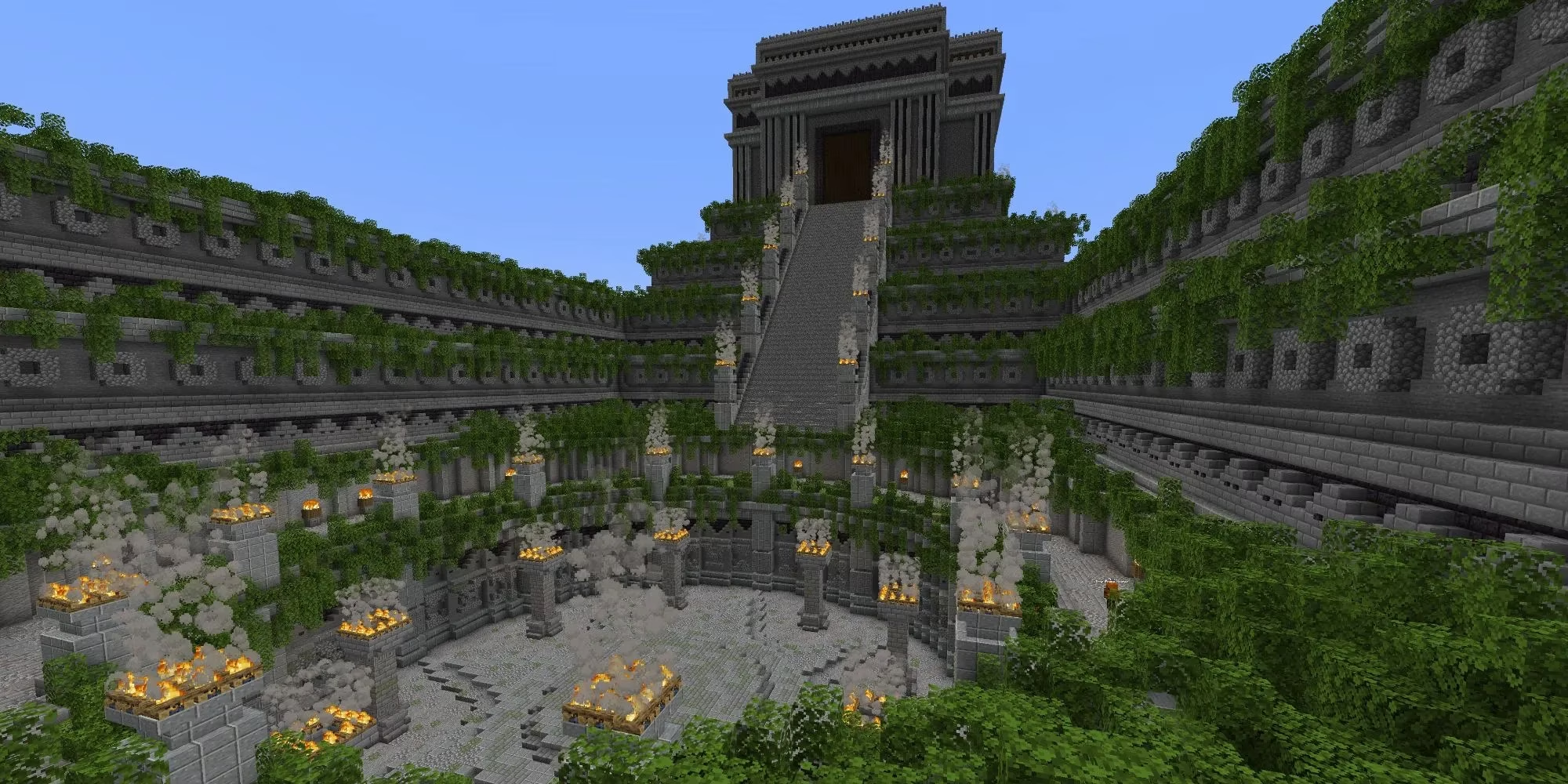
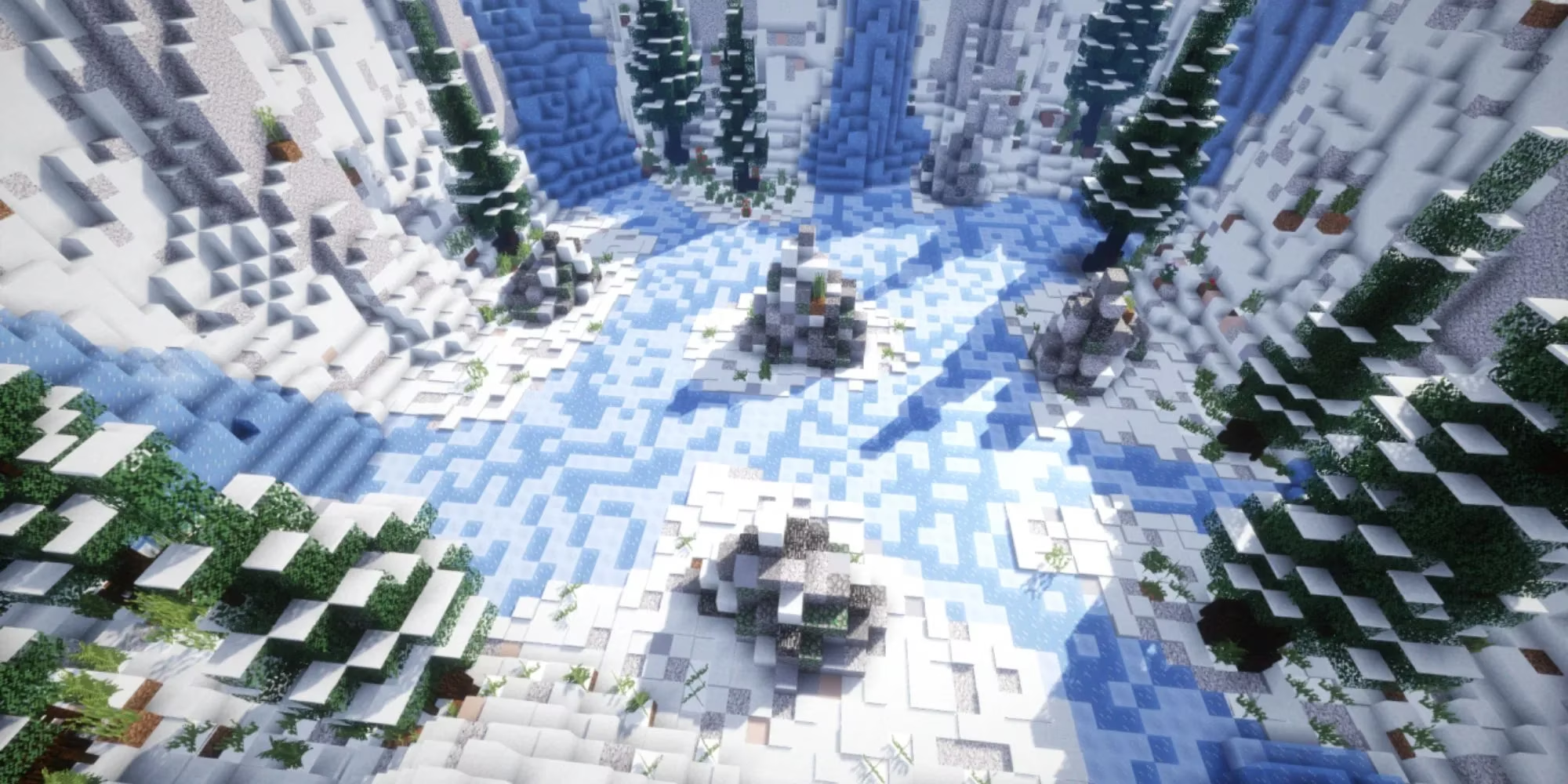
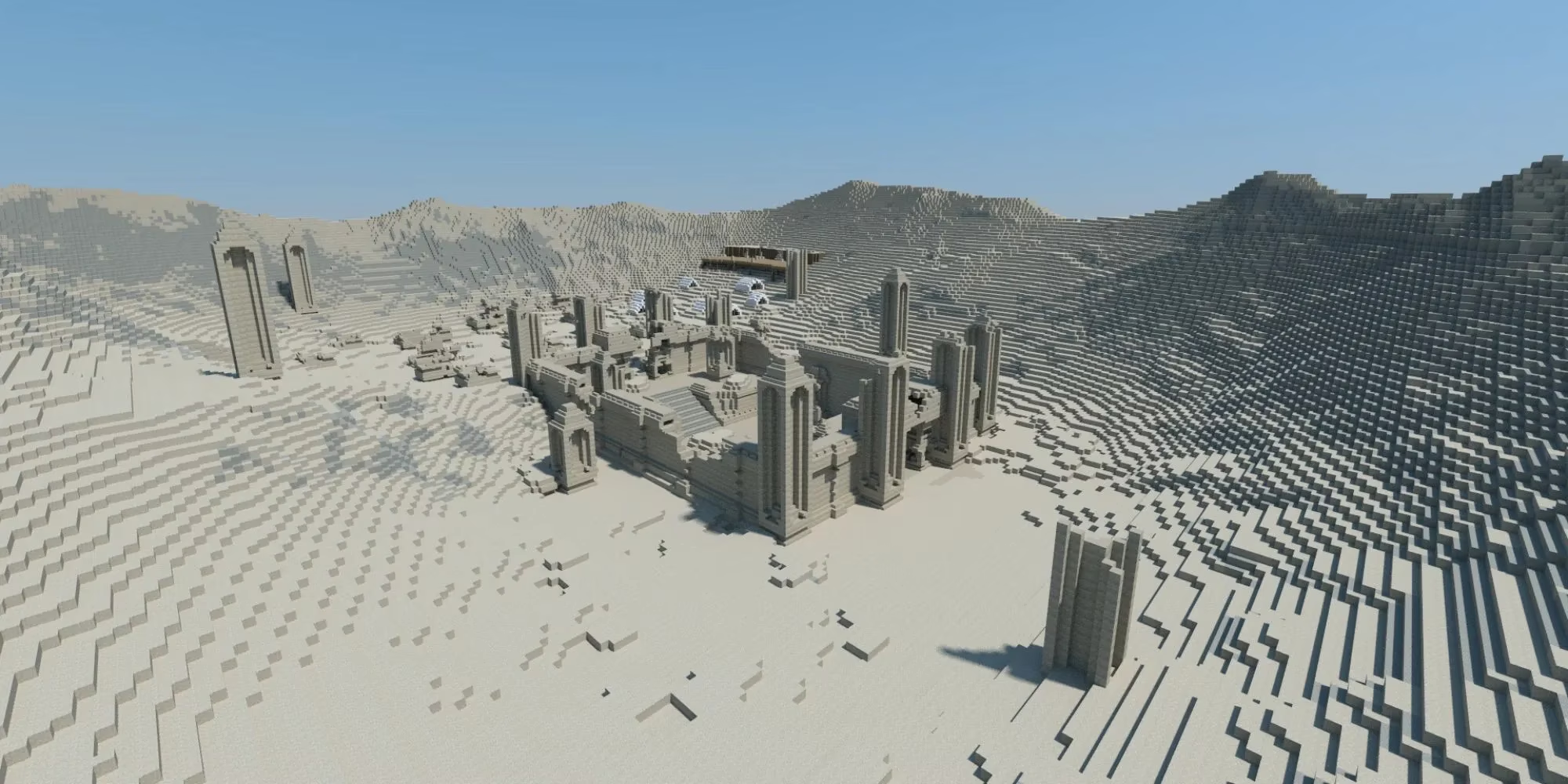
Theme is not just decoration. A snowy tundra with glaciers creates slippery terrain and long sightlines. A lush jungle with ancient ruins offers hiding spots and verticality. A Roman coliseum feels symmetrical and brutal. A Nether arena adds lava hazards and narrow bridges. The theme should match the intended pace. A builder who wants fast, aggressive fights might choose a compact Nether theme. One who wants tactical ambushes might pick a jungle. A strong theme also attracts players because it looks memorable and gives the arena a distinct identity.
5. Determine the Player Count 👥
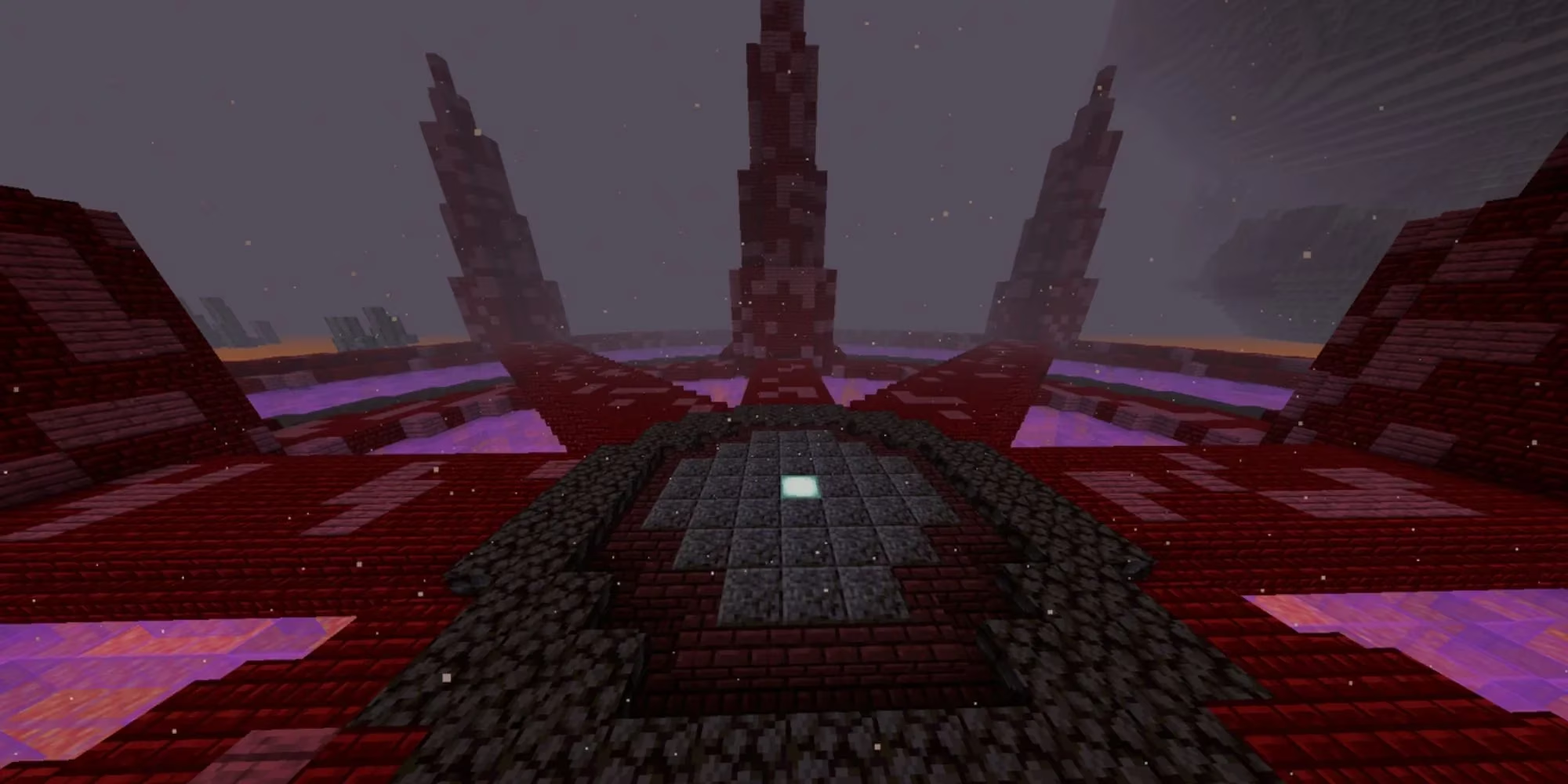
Player count dictates scale, spawn layout, and loot distribution. A 1v1 arena can be small and focused. A 4v4 arena needs lanes and callouts. A 20-player battle royale needs a much larger map with multiple points of interest. The builder should set a maximum player count early. Then they can place spawn points that are equidistant from valuable loot or central fighting areas. This prevents spawn killing and keeps matches fair. In 2026, server owners often run multiple arena sizes, so modular designs help. A flexible layout can be scaled up or down without rebuilding everything.
4. Construct an Outline Before Detailing 🧱
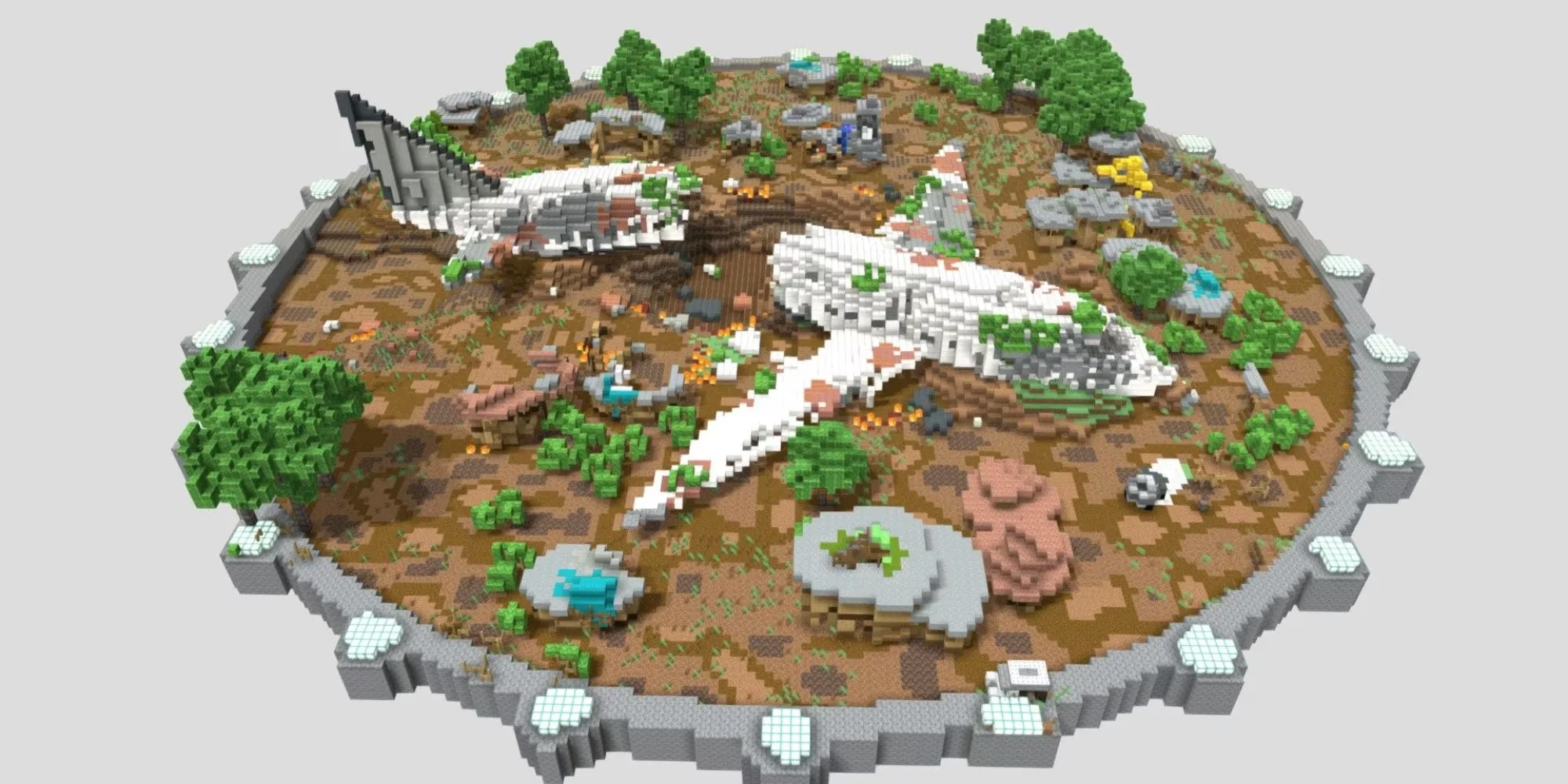
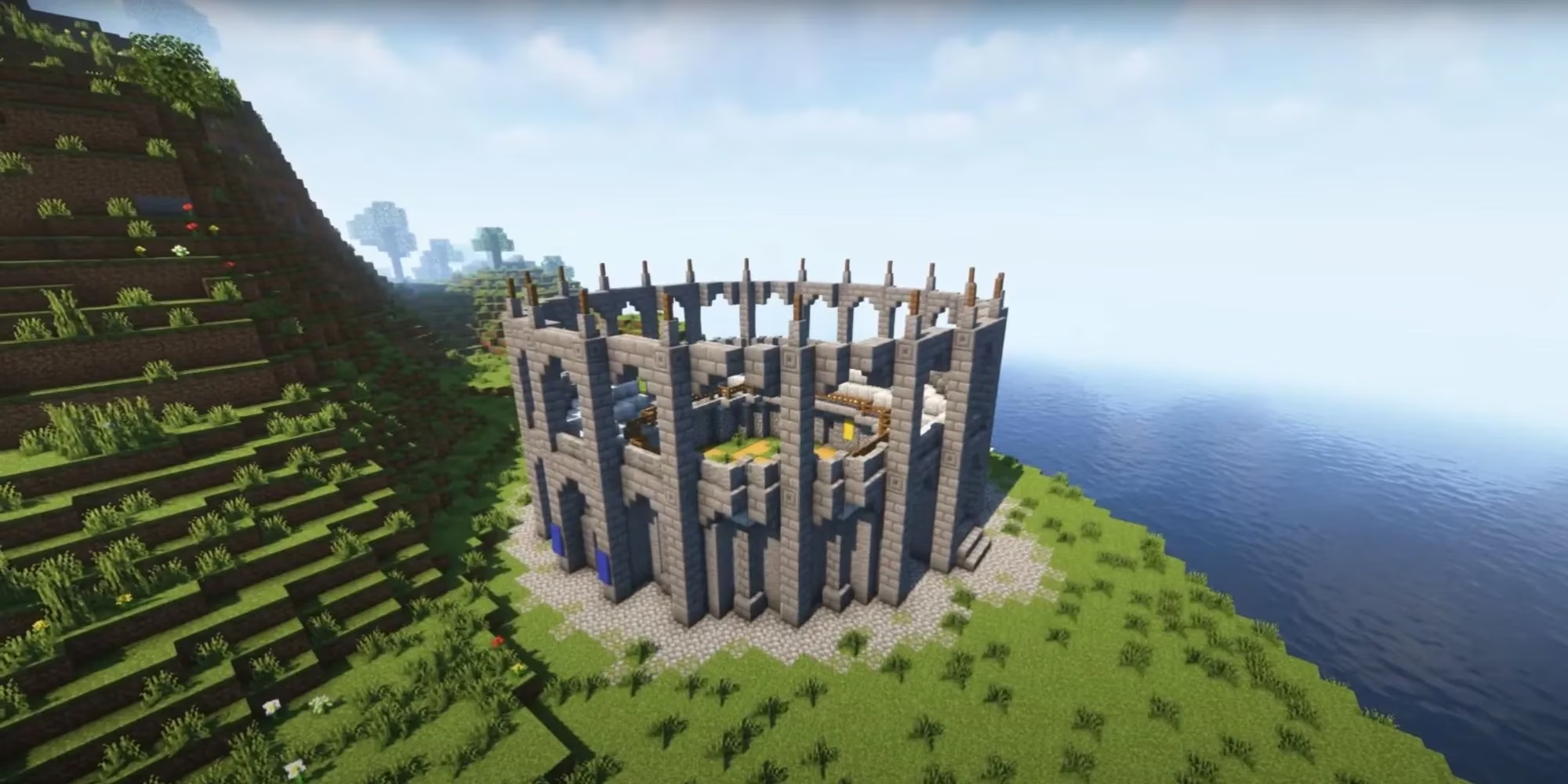
A block outline around the arena's circumference defines the combat space. It shows how large the playable area will be and helps with planning walls, spectator zones, and entrances. Walls keep players inside. Alternatively, an island arena uses the ocean as a natural barrier. The outline stage is also the right time to mark spawn rooms, loot chests, and key chokepoints. Skipping this step often leads to a beautiful but cramped or confusing arena. A simple outline saves hours of rework later.
3. Focus on Function First, Then Beauty ⚙️
It is tempting to build custom trees and grand statues first. However, experienced builders focus on gameplay flow. They design choke points, open sightlines, cover, and risk-reward areas. They test whether every spawn point has a fair path to the center. Only after the mechanics feel right do they add foliage, banners, and decorative ruins. A simple rule: build the skeleton, test it, then dress it up. Players remember how an arena plays, not just how it looks. Function first also makes it easier to spot balance problems before they are buried under decoration.
2. Keep the Game Balanced ⚖️
Balance is the difference between a beloved arena and a dead server. No spawn should give a competitive advantage. No player should be able to buy a better kit and dominate. In 2026, players are quick to call out pay-to-win mechanics and unfair maps. The best way to avoid this is repeated playtesting. The builder can recruit friends or community members to run matches and report issues. They should watch for spawn camping, overpowered loot, and one-sided terrain. Adjust until every player feels they have a fair chance. If a map is not fun to lose on, it is not balanced yet.
1. Consider Using a Plugin 🔌
Plugins are server-side additions that do not require players to download anything extra. They can modify spawn behavior, restrict weapons, disable block breaking, manage kits, track stats, and enforce rules automatically. For a public server, a plugin can make a PvP arena far more polished and manageable. For a private friend group, plugins are optional but still useful. In 2026, the plugin ecosystem is mature, so builders can find tools for almost any custom rule they can imagine. A plugin also reduces the need for manual moderation, which keeps matches running smoothly.
Final Thoughts 💡
A great Minecraft PvP arena is not just a build. It is a designed experience. The builder starts with rules, picks a theme, sets player count, outlines the space, prioritizes function, balances the gameplay, and considers plugins. Each step builds on the last. In 2026, with more servers and creators than ever, a well-planned arena can still stand out. The key is to test early, listen to feedback, and never let aesthetics override fairness. When players spawn into a map that feels both exciting and just, they will come back for match after match.