Minecraft 2026 Ultimate Flower Guide: Locations, Dyes & Uses
Discover the essential 2026 Minecraft flowers guide, unlocking vibrant dyes, bee economy support, and natural navigation secrets for every player.
Hey everyone! As we dive into 2026, Minecraft continues to bloom with possibilities, and flowers remain one of the most versatile and beautiful resources in the game. Whether you're a seasoned survivalist or a creative builder, understanding the world of Minecraft flora is key. Think about it – are flowers just pretty blocks to look at? Far from it! From crafting vibrant dyes to supporting your bee colonies and even acting as a natural compass, these botanical beauties are essential. In this guide, I'll break down every flower you can find, where to hunt for them, and all their incredible uses. Let's get started!
The Multifaceted World of Minecraft Flowers 🌸
First off, let's talk about why you should even care about flowers. Sure, they make your base look gorgeous, but their utility runs deep. You can plant them on grass, dirt, or even special blocks like netherrack. Some, like the small ones, fit perfectly in a flower pot, while the tall ones make dramatic statement pieces. But their purpose goes beyond decor.
-
Dye Production: This is a big one! Want to color your leather armor, wool, or terracotta? You'll need flowers. Each type yields a specific dye color.
-
Bee Economy: Bees are crucial for honey and honeycomb. They need flowers to pollinate, which speeds up honey production in hives and nests. No flowers? A sad, unproductive apiary.
-
Natural Navigation: Lost? Find a Sunflower! They always face east, providing a reliable way to orient yourself, even in the Nether or the End.
-
Breeding & Farming: Some flowers are used to breed animals like rabbits, or even newer mobs like the Sniffer.
Now, let's explore each flower in detail. I've organized them for easy reference.
Small Flowers (One-Block Height)
These are your classic, pickable flowers. Most can be placed in flower pots.
1. Dandelion
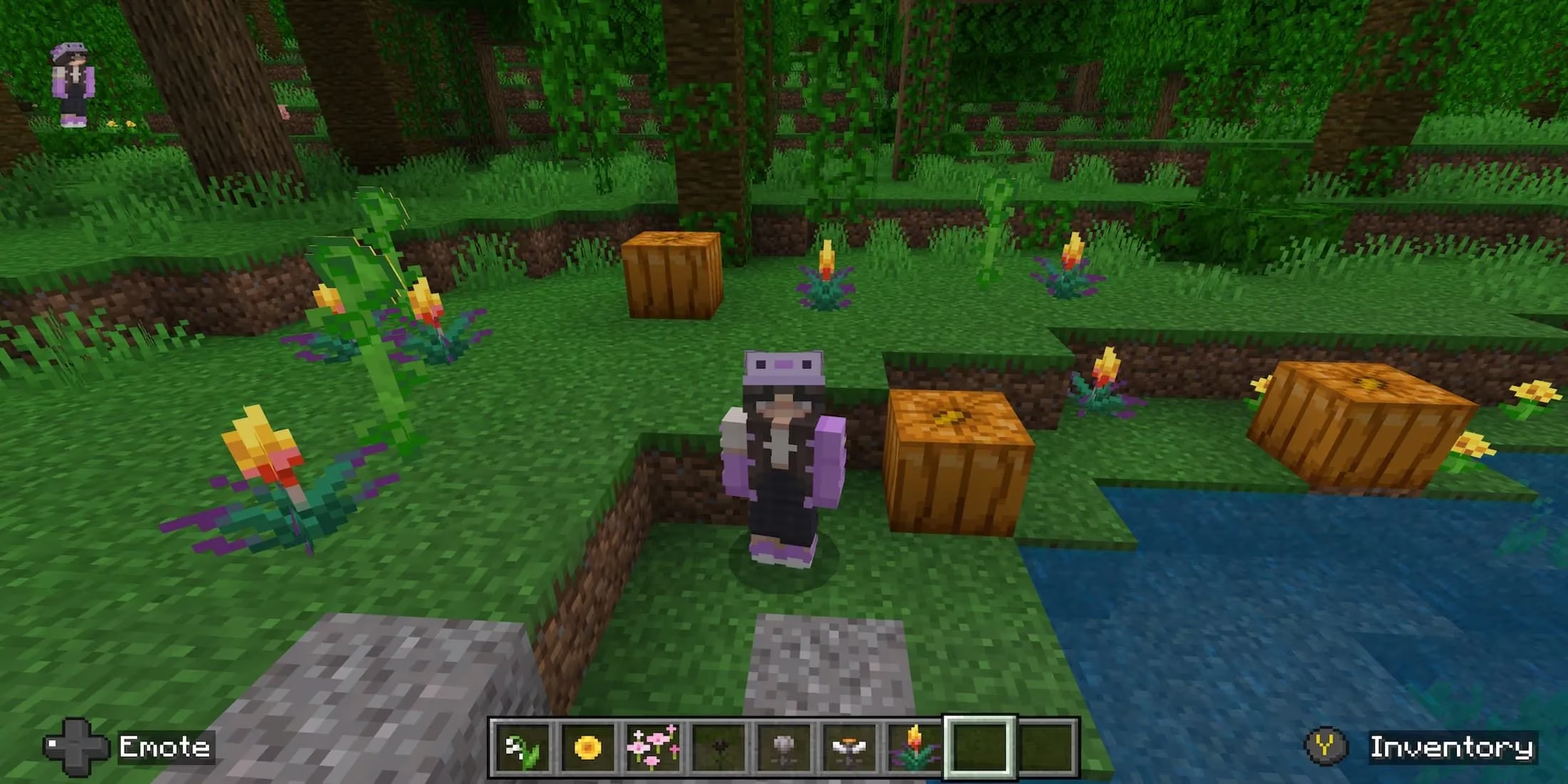
The classic yellow starter flower. It's super common and super useful! It creates a bright Yellow Dye. Did you know you can use it to breed and lead rabbits? Handy for your bunny farm!
Where to Find Dandelions:
| Biome Name | Commonality |
|---|---|
| Plains | 🟢 Very Common |
| Sunflower Plains | 🟢 Very Common |
| Flower Forest | 🟢 Very Common |
| Meadow | 🟢 Very Common |
| Forests (All types) | 🟡 Common |
| Dripstone Caves / Deep Dark | 🟡 Less Common |
2. Poppy
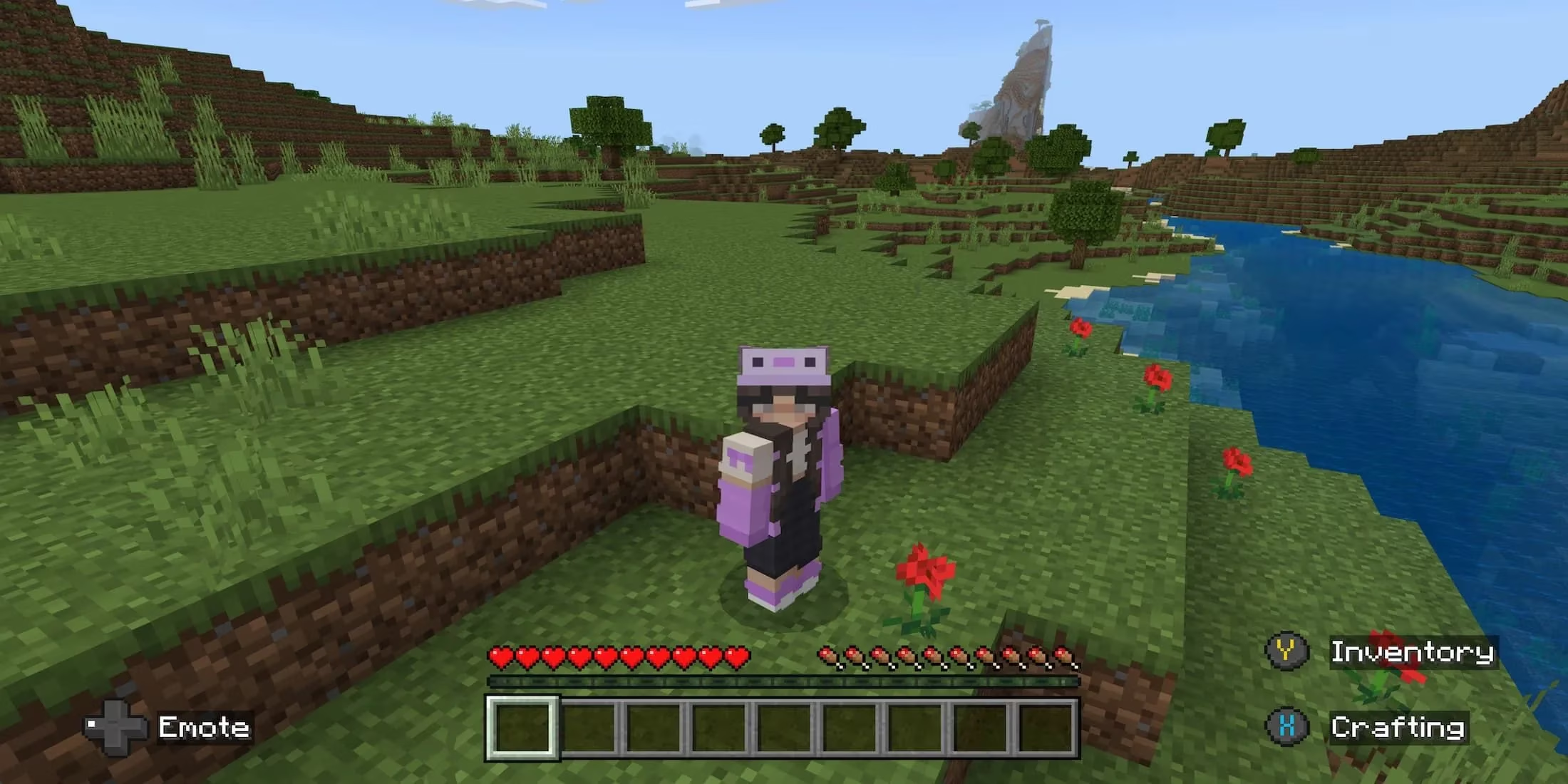
Another widespread red flower (different from red tulips!). It's the source of basic Red Dye. A staple for any crimson-themed build.
Where to Find Poppies:
-
Both Editions: Plains, Sunflower Plains, Flower Forest, Meadow.
-
Java Edition Only: Dripstone Caves, Deep Dark, various Forest biomes.
3. Blue Orchid
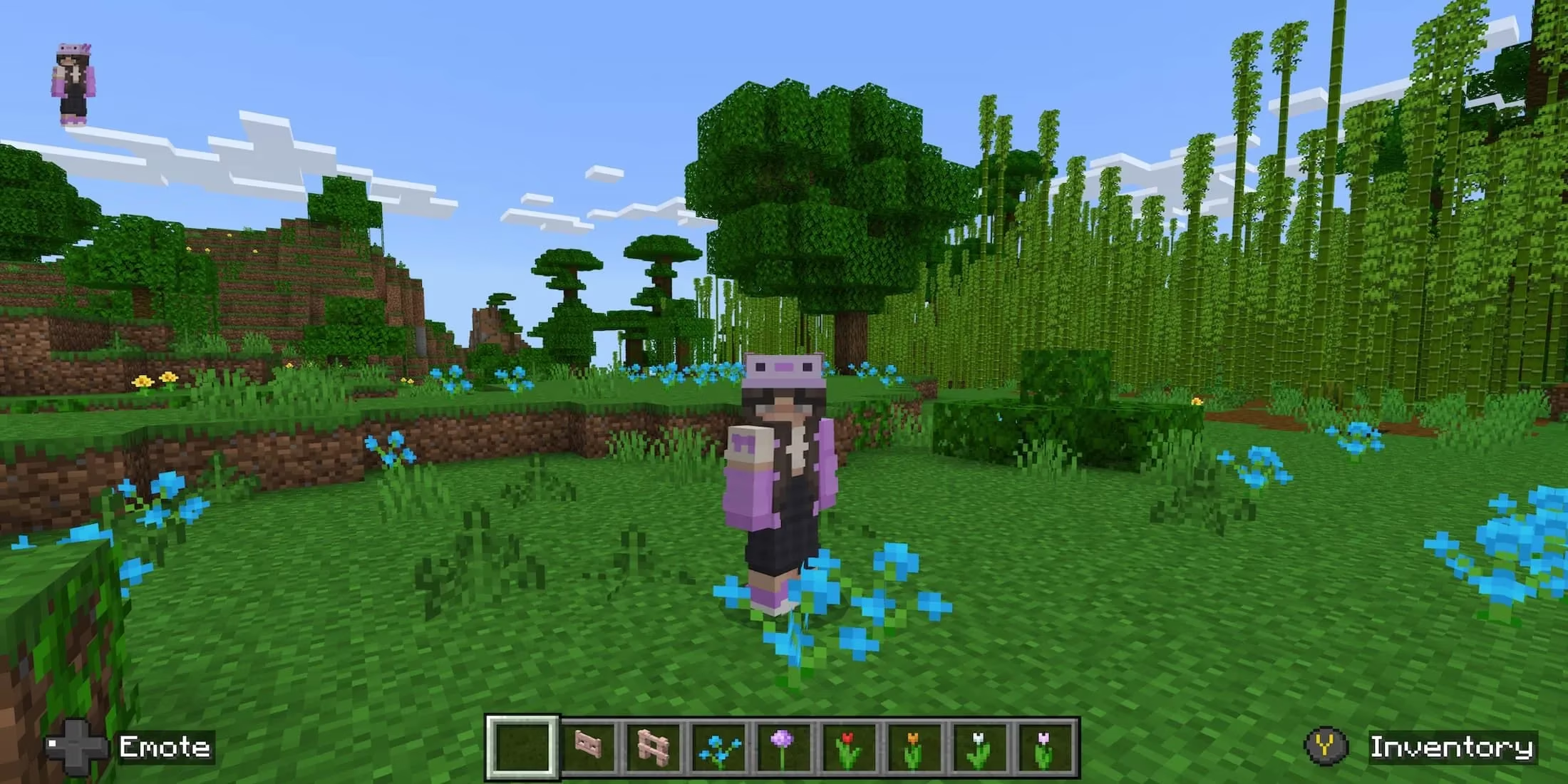
This one's a treasure hunt! It only spawns in Swamp biomes. Its rarity makes that Light Blue Dye feel extra special. If you need this color, pack your boat and go swamp exploring!
4. Allium
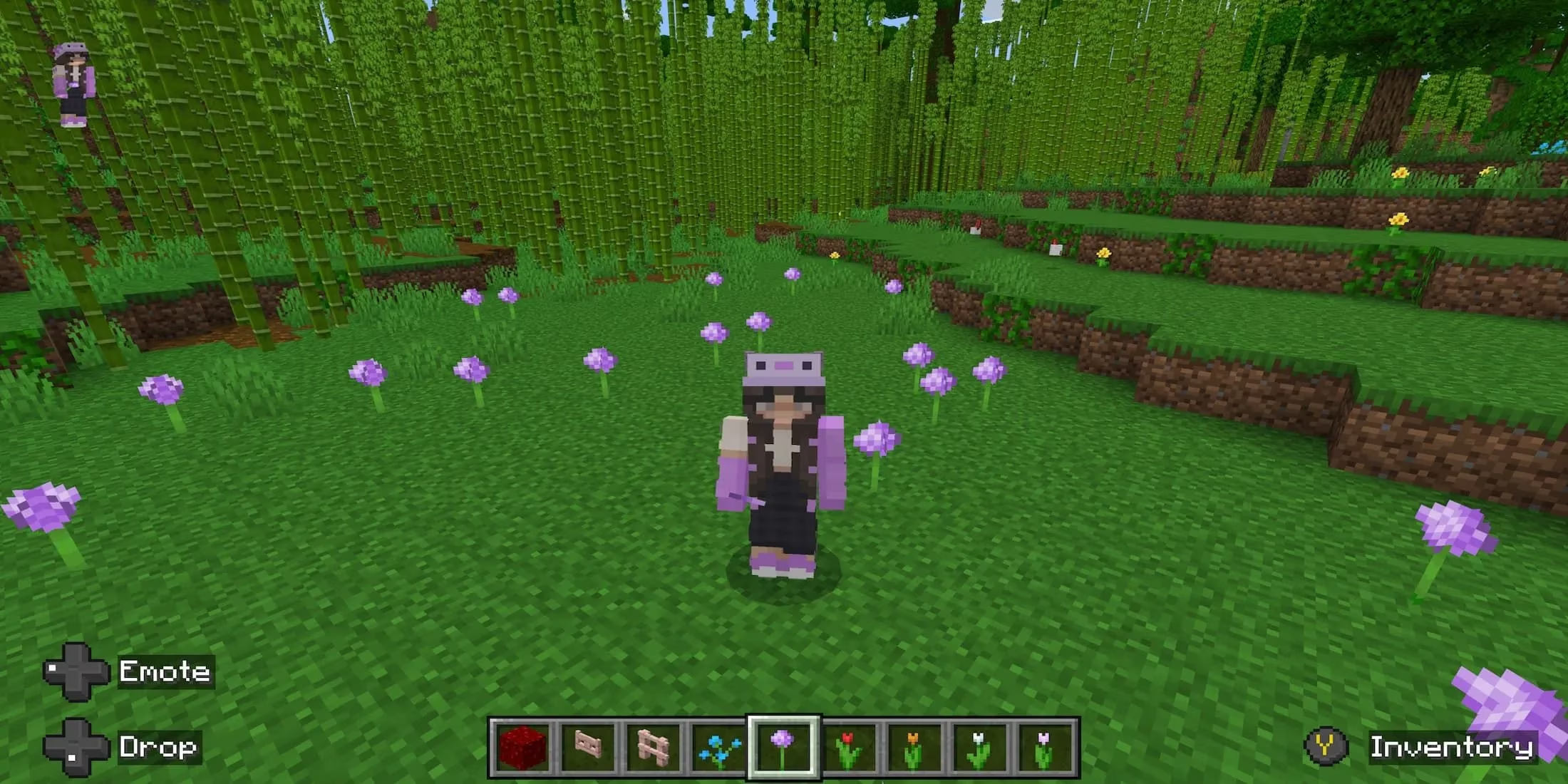
A beautiful purple flower that crafts into Magenta Dye. It's not as common as dandelions, but you'll find it often enough in specific spots.
Primary Locations: Flower Forest, Meadow (Java Edition only).
5. Azure Bluet
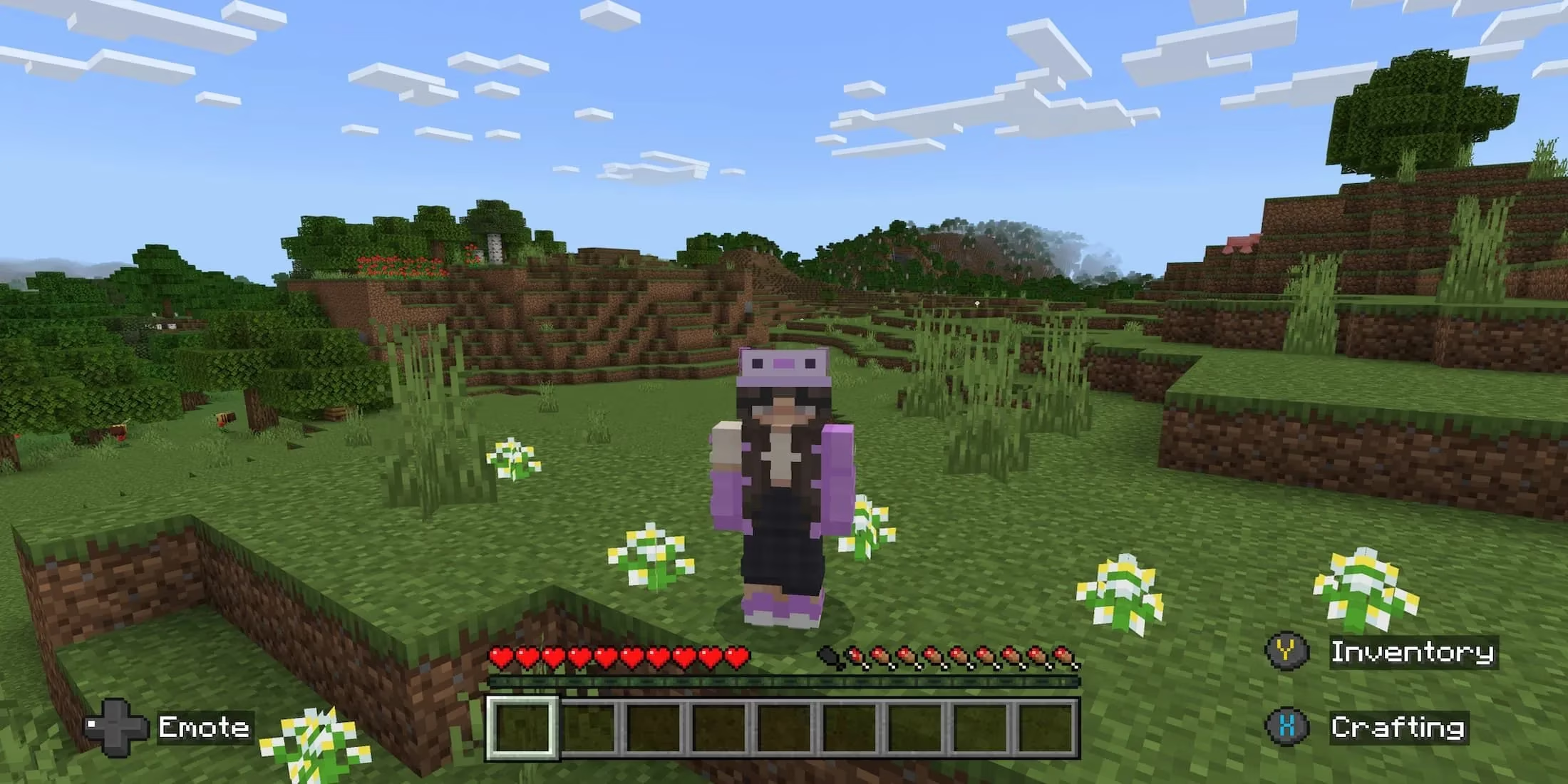
These tiny white flowers usually spawn in little clusters. They're your source for Light Gray Dye. They're moderately common in several grassy biomes.
Find them in: Plains, Sunflower Plains, Flower Forest, Meadow (and Java-exclusive caves).
6. Tulips
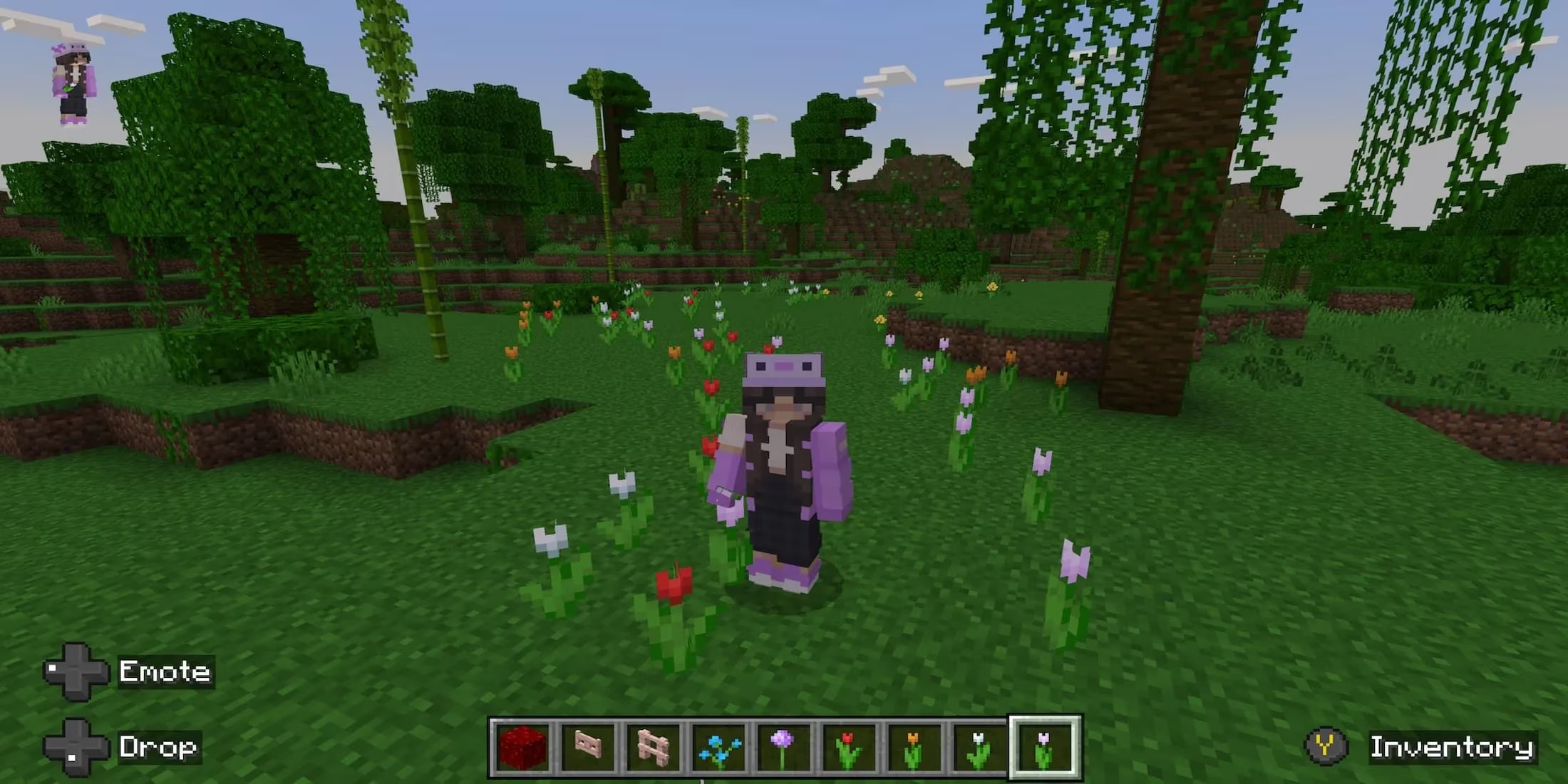
The decorator's dream! Tulips come in four colors, each giving its corresponding dye:
-
Red Tulip → Red Dye
-
Orange Tulip → Orange Dye
-
Pink Tulip → Pink Dye
-
White Tulip → Light Gray Dye
They're found in Plains, Sunflower Plains, and Flower Forests. Perfect for organized gardens!
7. Oxeye Daisy
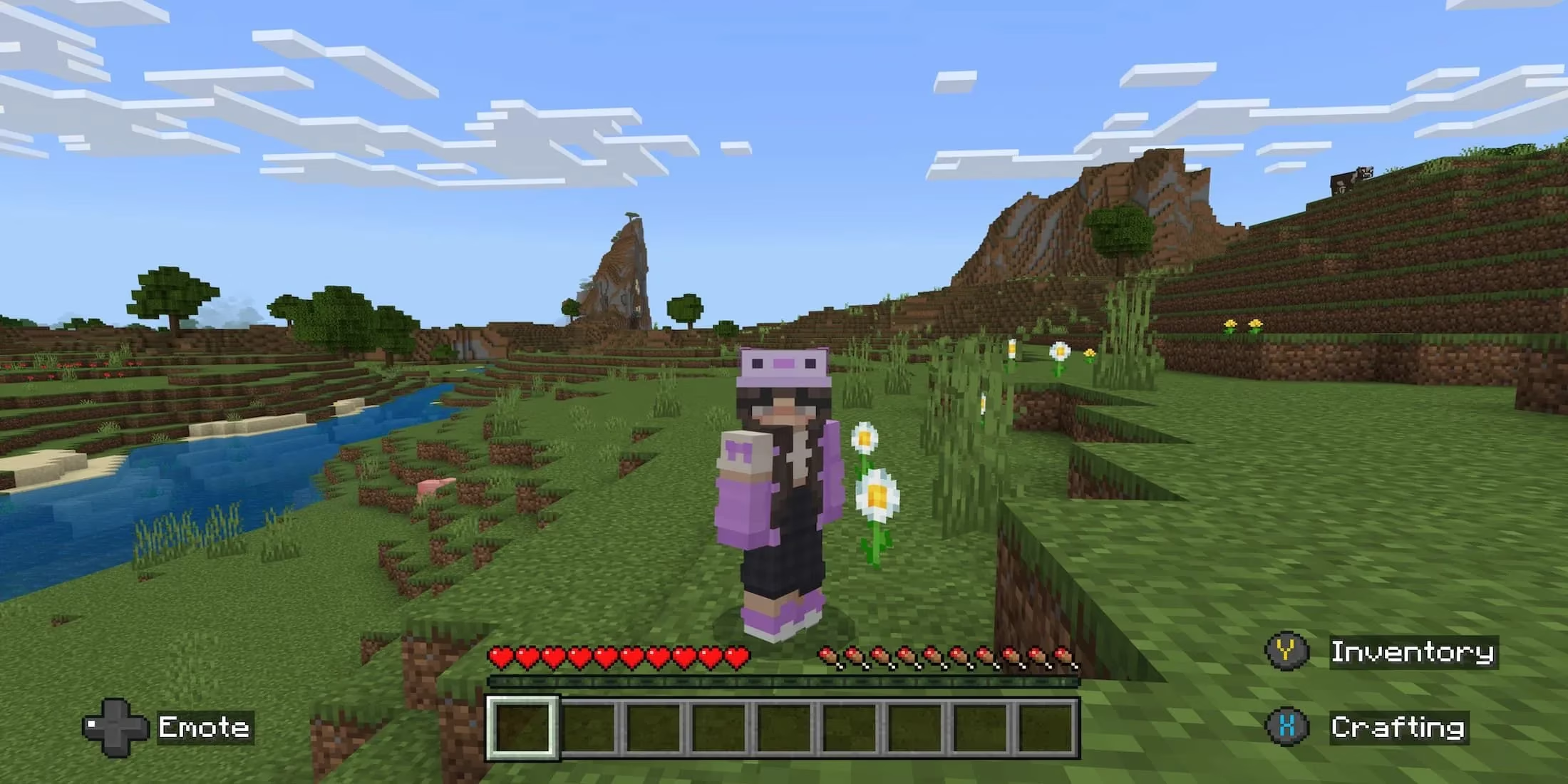
A simple white flower that provides another route to Light Gray Dye. Look for it in the same biomes as Azure Bluets and Tulips.
8. Cornflower
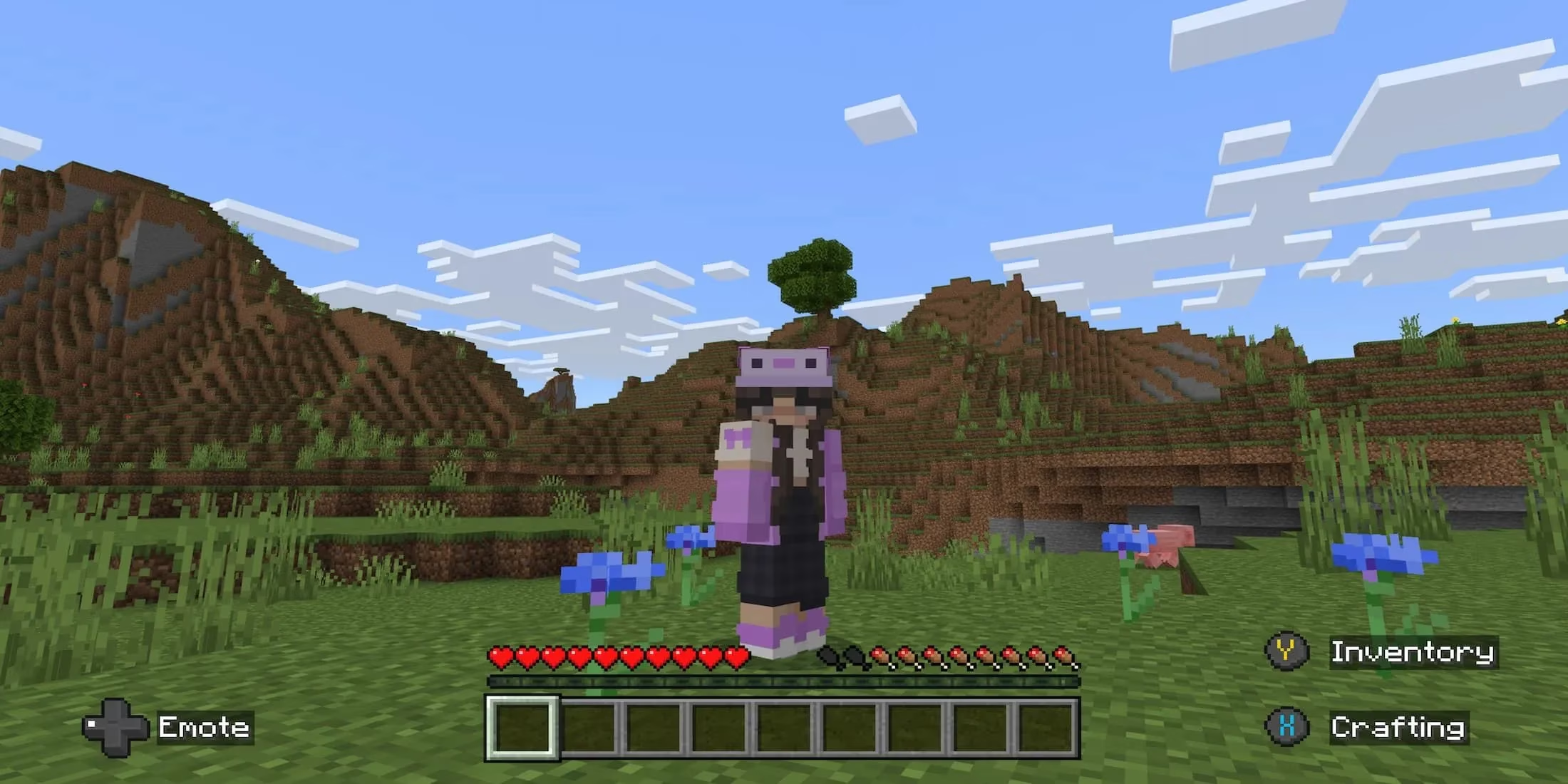
This brilliant blue flower is the key to Blue Dye. It's found in many common flower-spawning biomes like Plains and Flower Forests.
9. Lily of the Valley
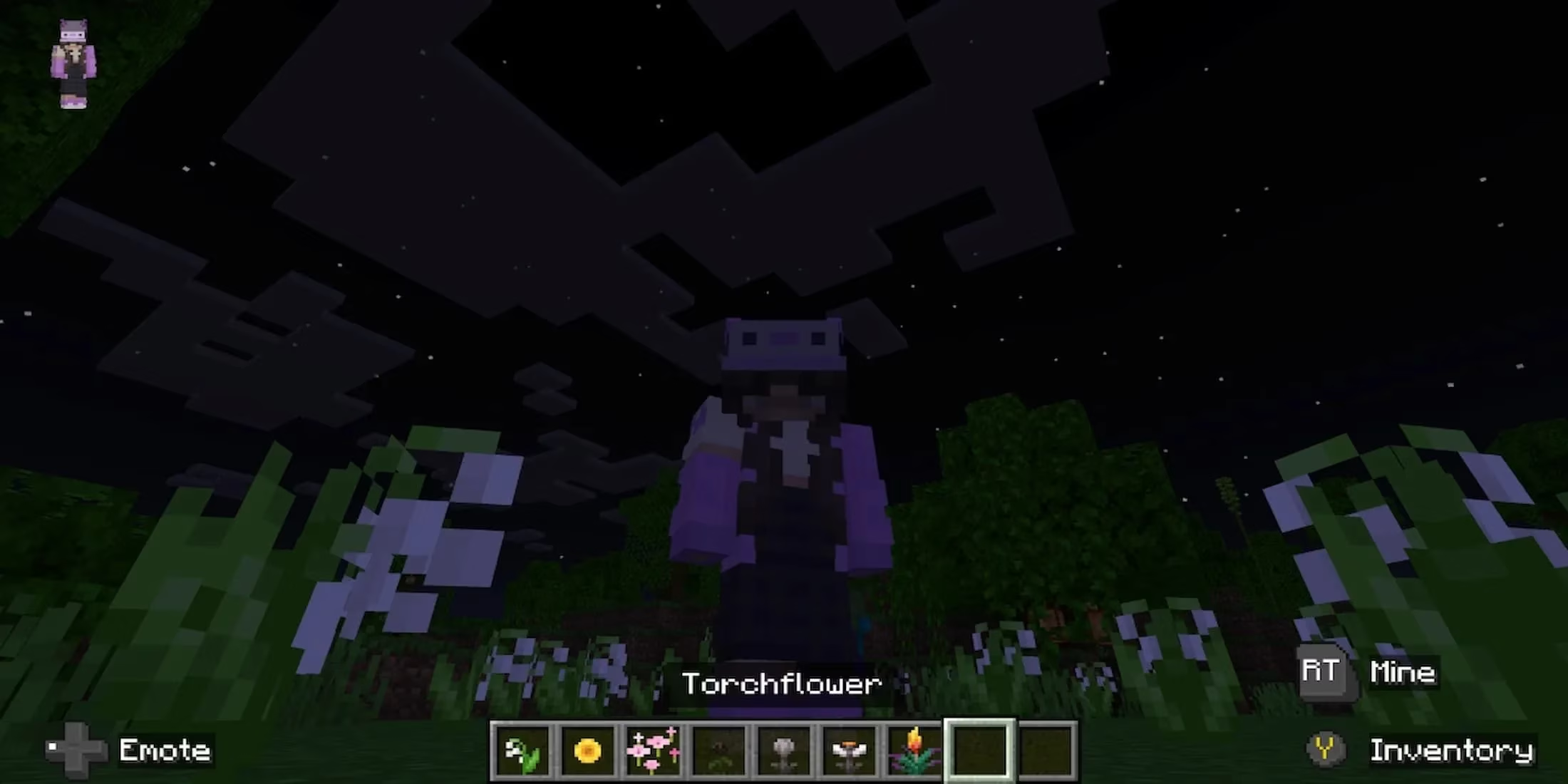
A pristine white flower that's a bit rarer. It creates White Dye. Your best bet to find it is in Flower Forests (all editions) or various Forest biomes (Bedrock Edition only).
10. Torchflower
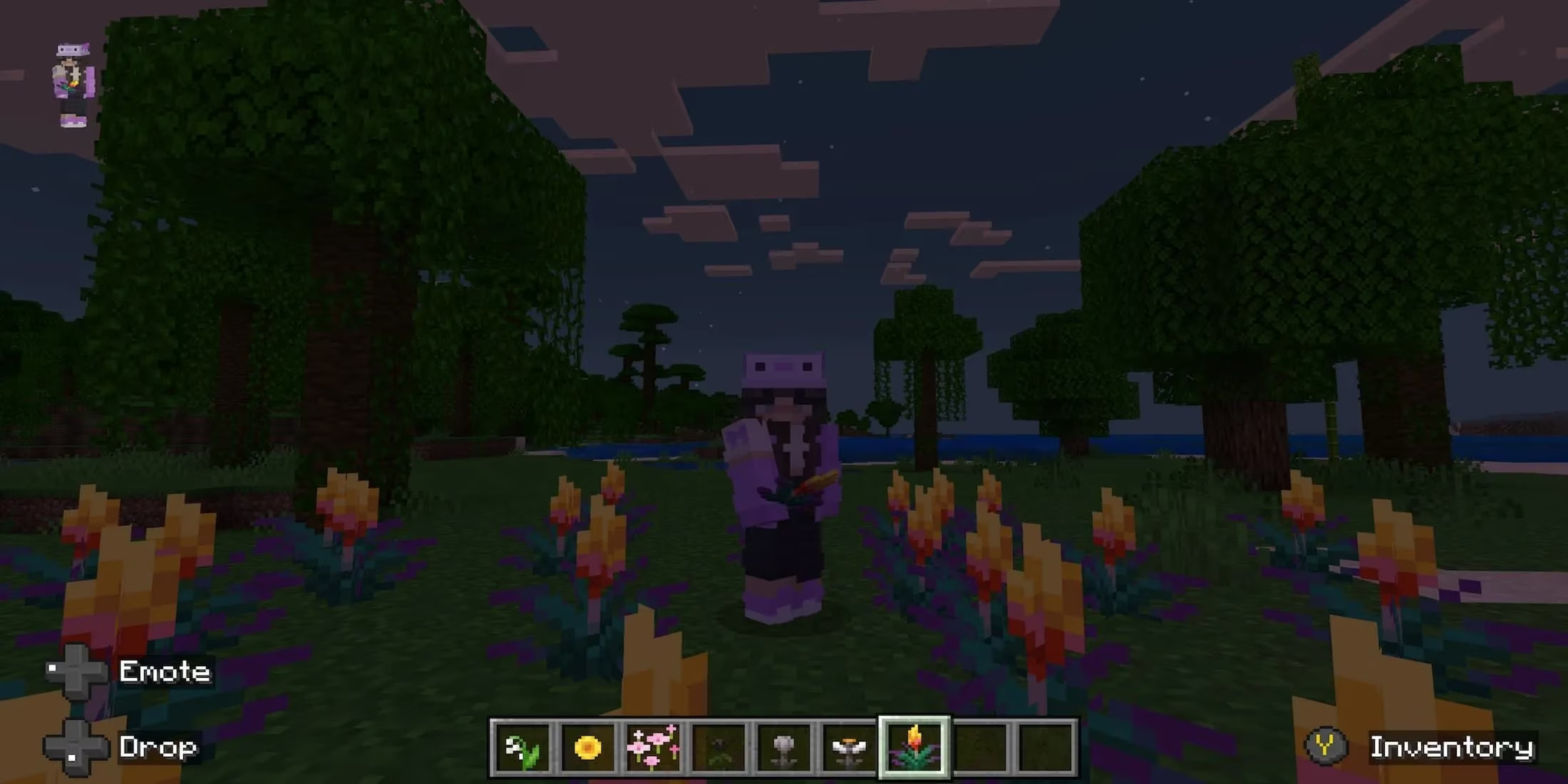
Here's a 2026 special! You can't just find this one growing. You need a Sniffer to dig up a Torchflower Seed. Plant it on farmland, let it grow through three stages, and voilà! Its main use? Breeding Sniffers, and it even reduces their growth time by 10%! A must-have for ancient mob enthusiasts.
Tall Flowers (Two-Block Height)
These flowers are two blocks tall and cannot be placed in pots, but they make excellent hedges or garden borders.
11. Lilac
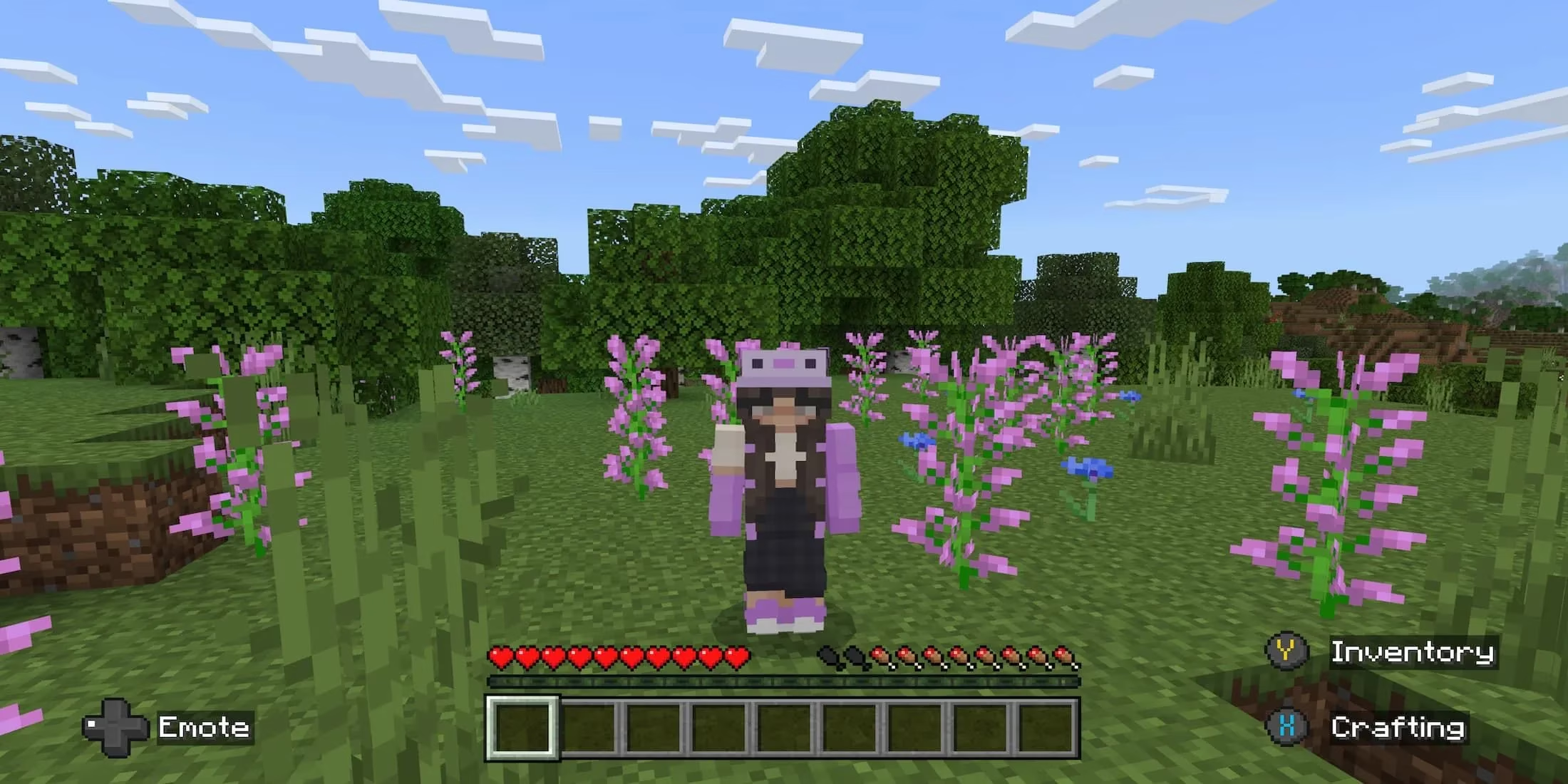
A tall, purple flower that yields Magenta Dye. It's commonly found in most Forest-type biomes.
12. Peony
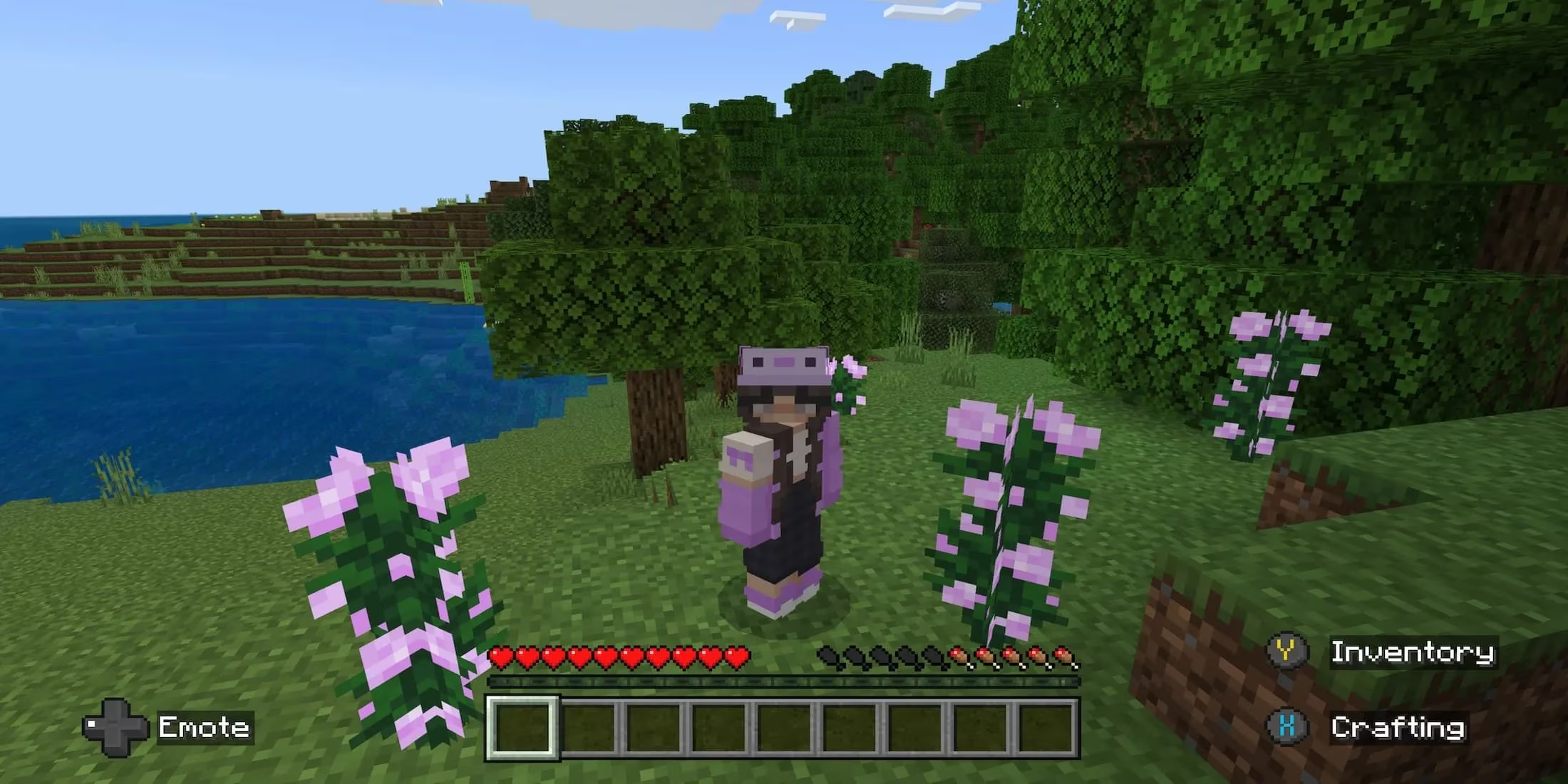
A beautiful light pink tall flower. It's the only source of Pink Dye in the game! Hunt for it in Forest and Flower Forest biomes.
13. Rose Bush
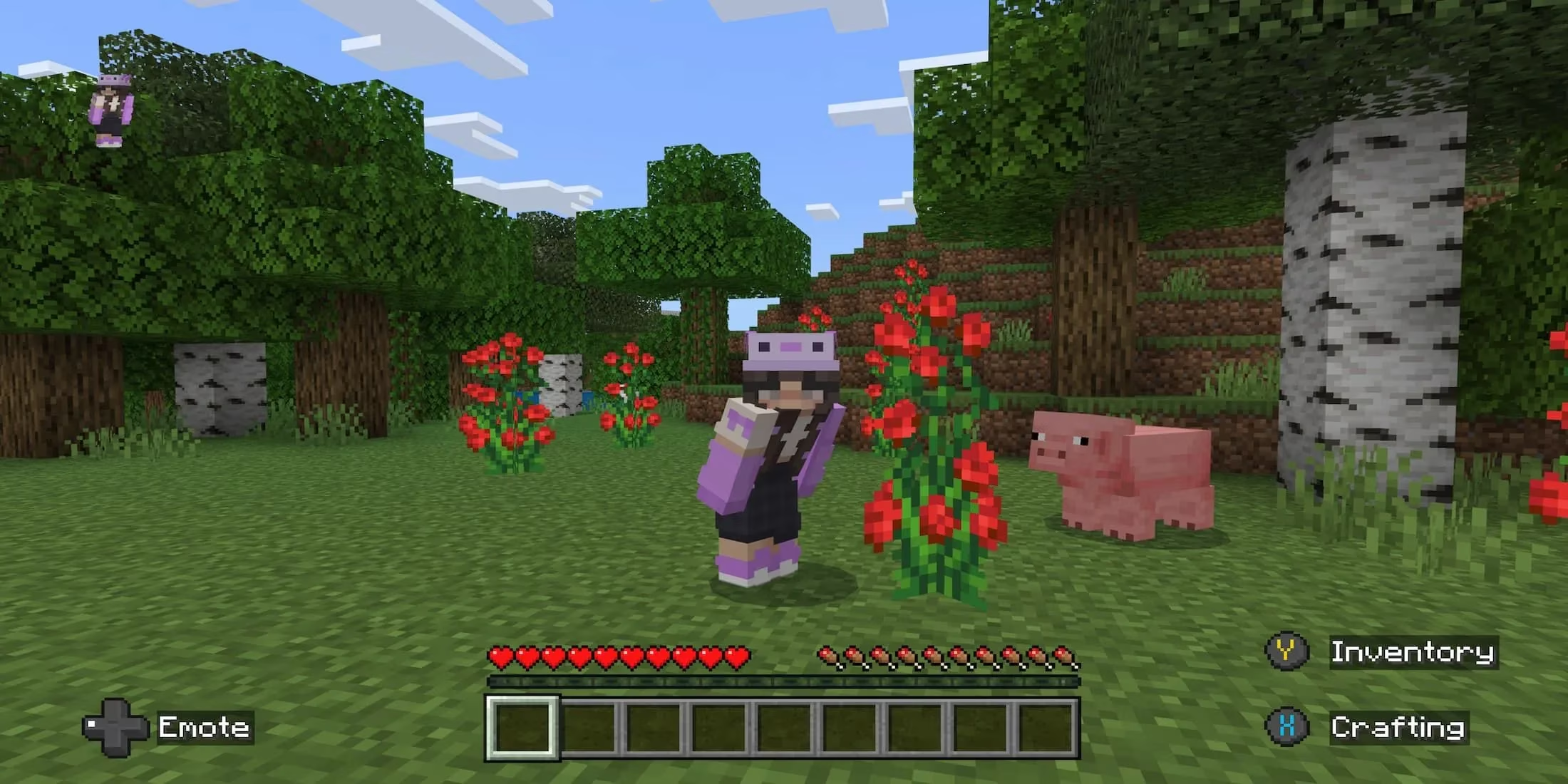
The iconic red rose bush. Break it to get Red Dye. It's another common resident of Forest biomes.
14. Sunflower
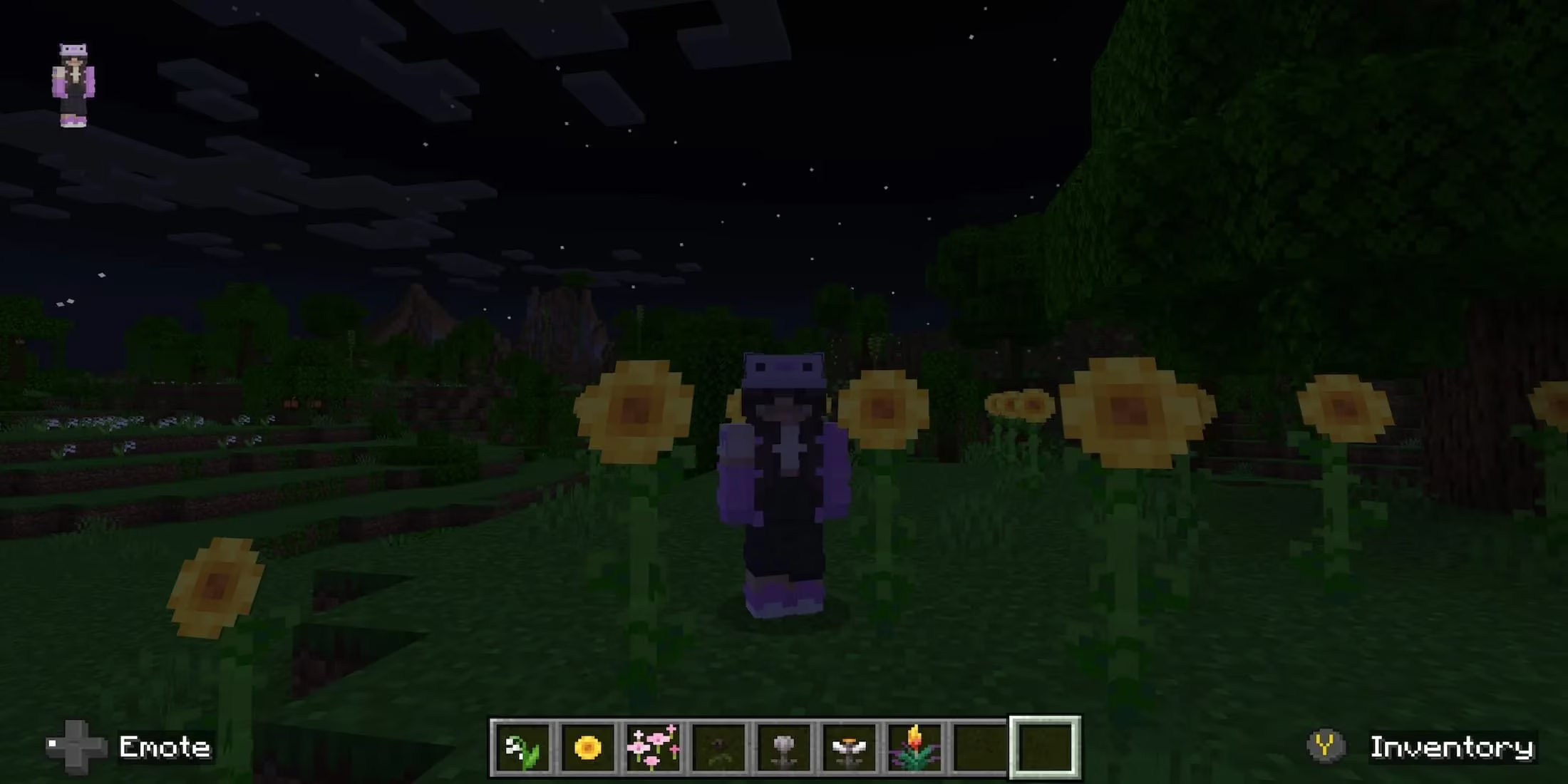
My personal favorite for utility! Remember, they always face east. They also provide Yellow Dye. They only generate in one place: the Sunflower Plains biome. If you see one, you've found your compass!
Special & Unique Flora
These don't always fit the standard "flower" mold but are crucial for completeness.
15. Pitcher Plant
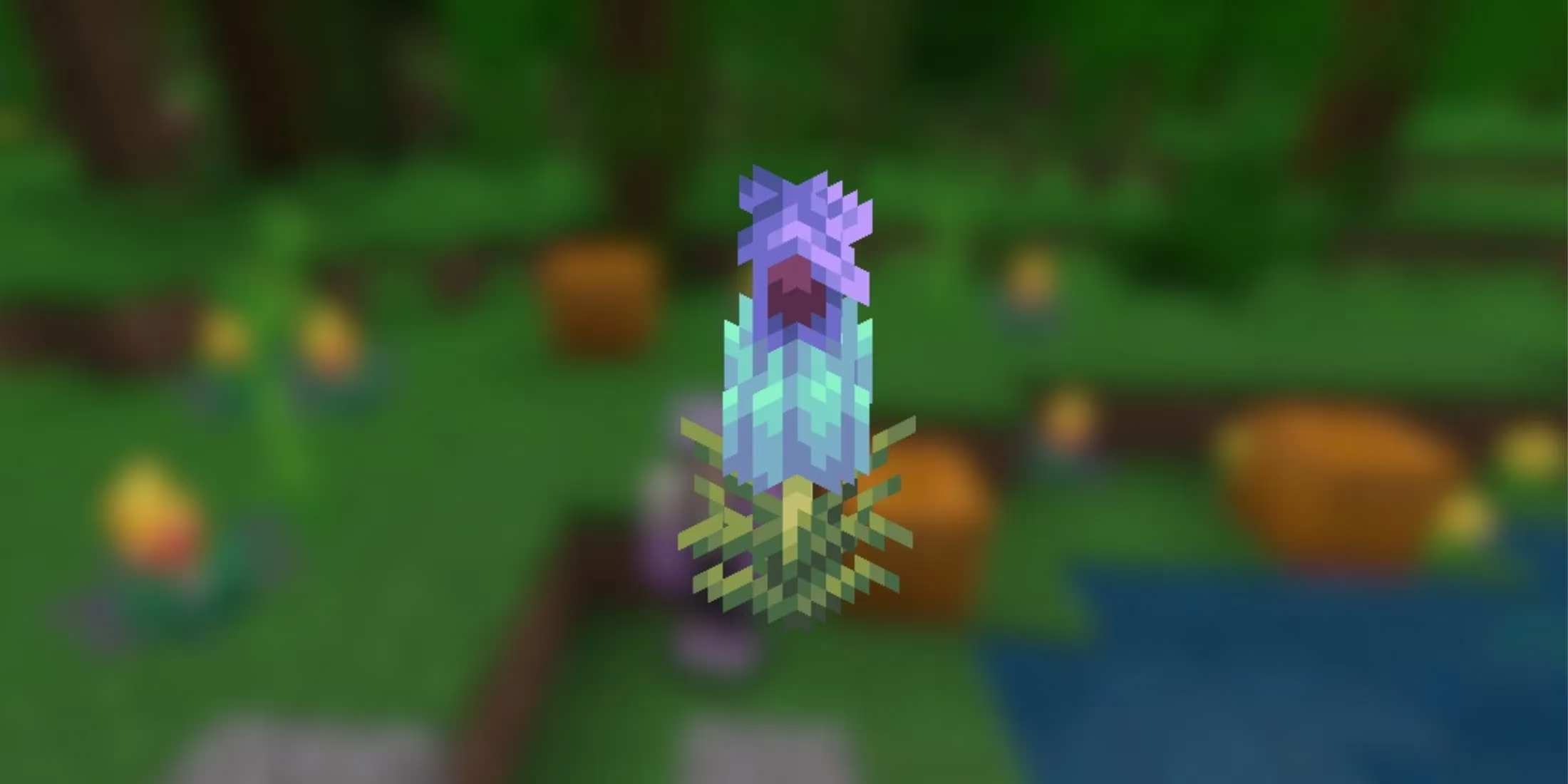
Another Sniffer-exclusive plant! Sniffers dig up Pitcher Pods, which you plant. After three growth stages, you harvest the tall Pitcher Plant. Unlike other flowers, you can't duplicate it with bone meal.
16. Cherry Blossom & Azalea Leaves
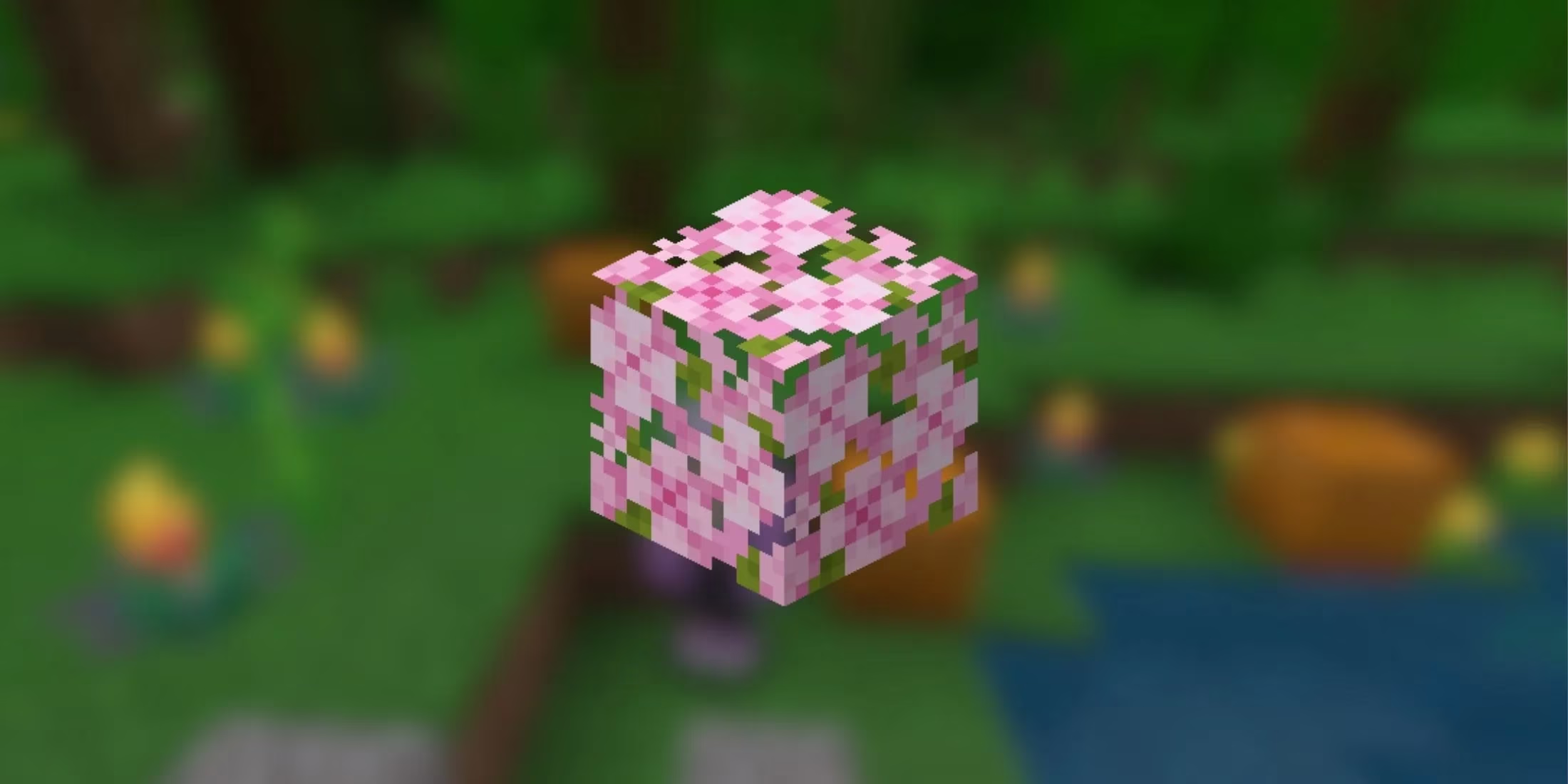
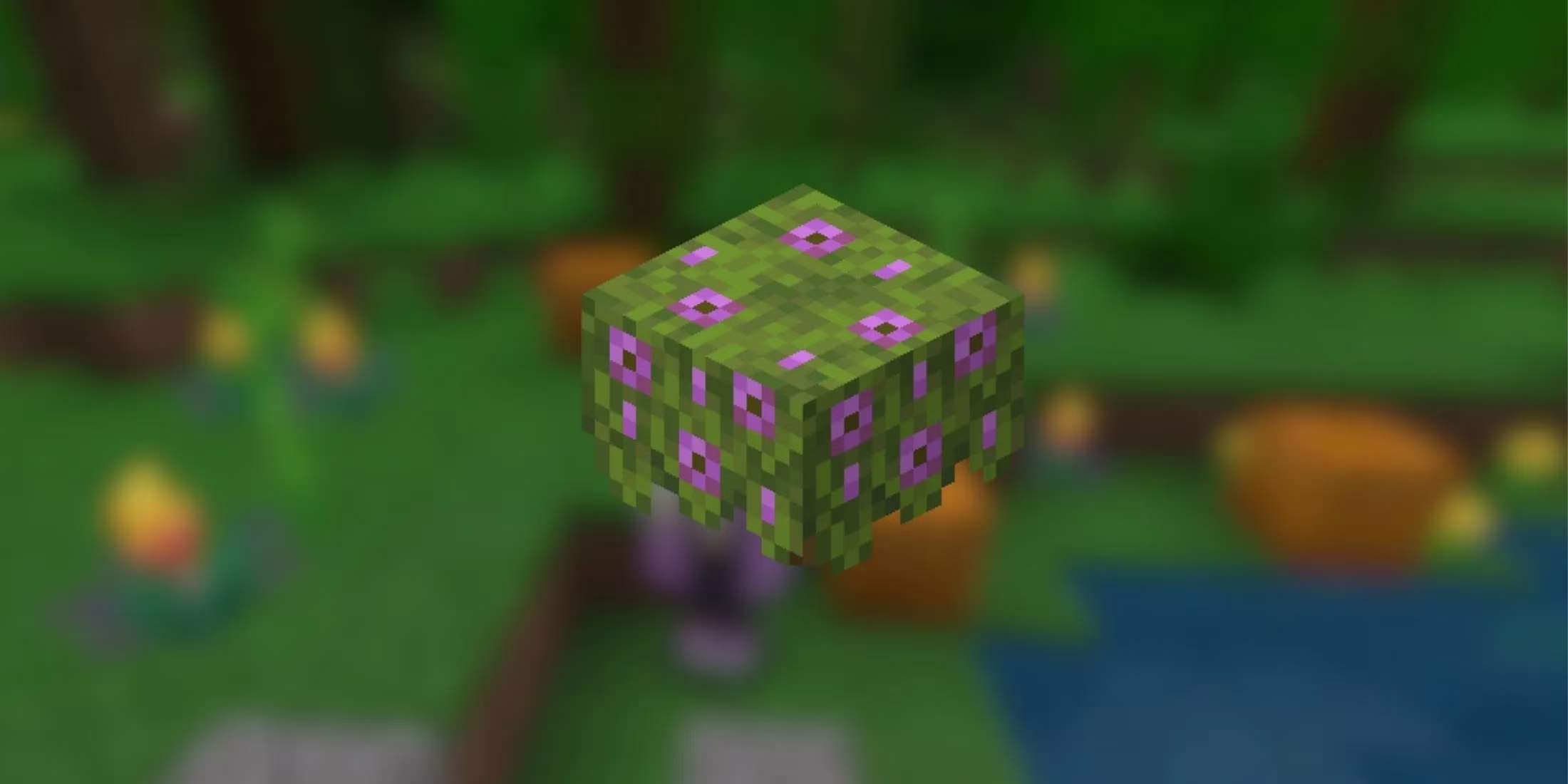
Not a flower per se, but Cherry Groves are full of beautiful pink leaf blocks. Use shears to collect them for decoration! Similarly, Flowering Azalea leaves (found in Lush Caves) are decorative green leaves with flowers. They help bees but don't make dye.
17. Chorus Flower
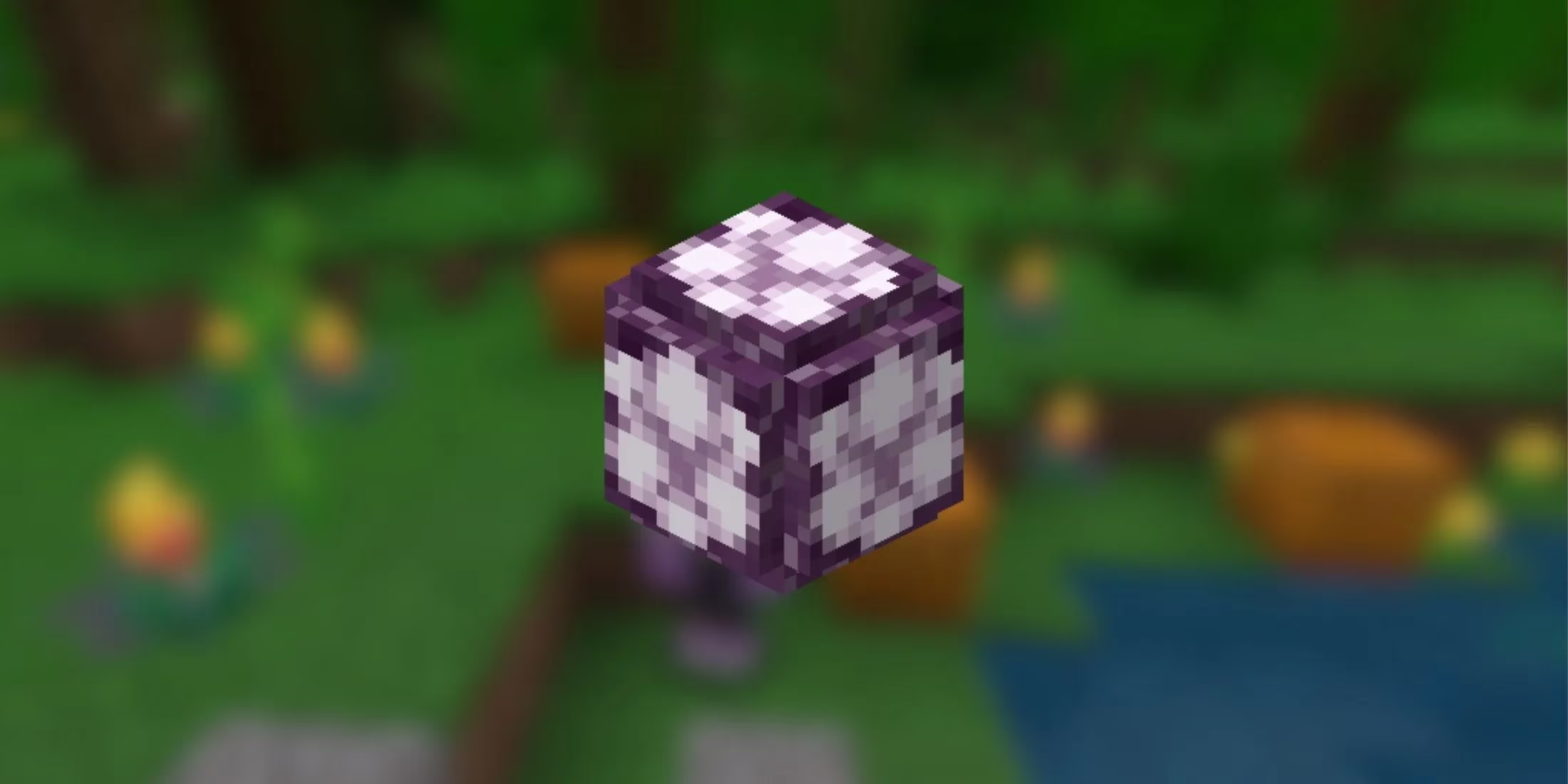
An End-exclusive block! Found on Chorus Plants in the End islands. You can plant it on End Stone to grow more Chorus Plants. It's a late-game floral challenge.
18. Pink Petals & Wild Flowers
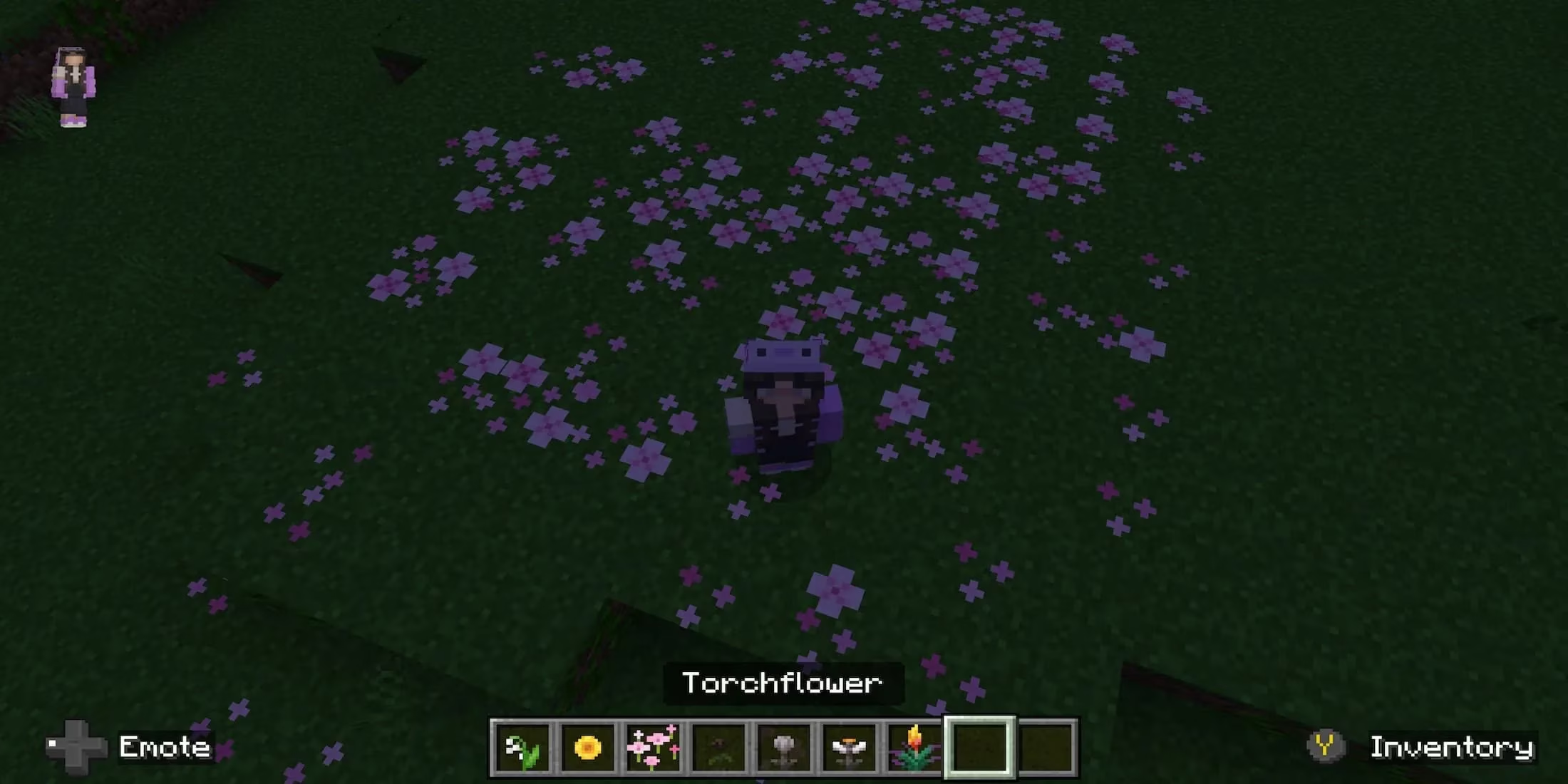
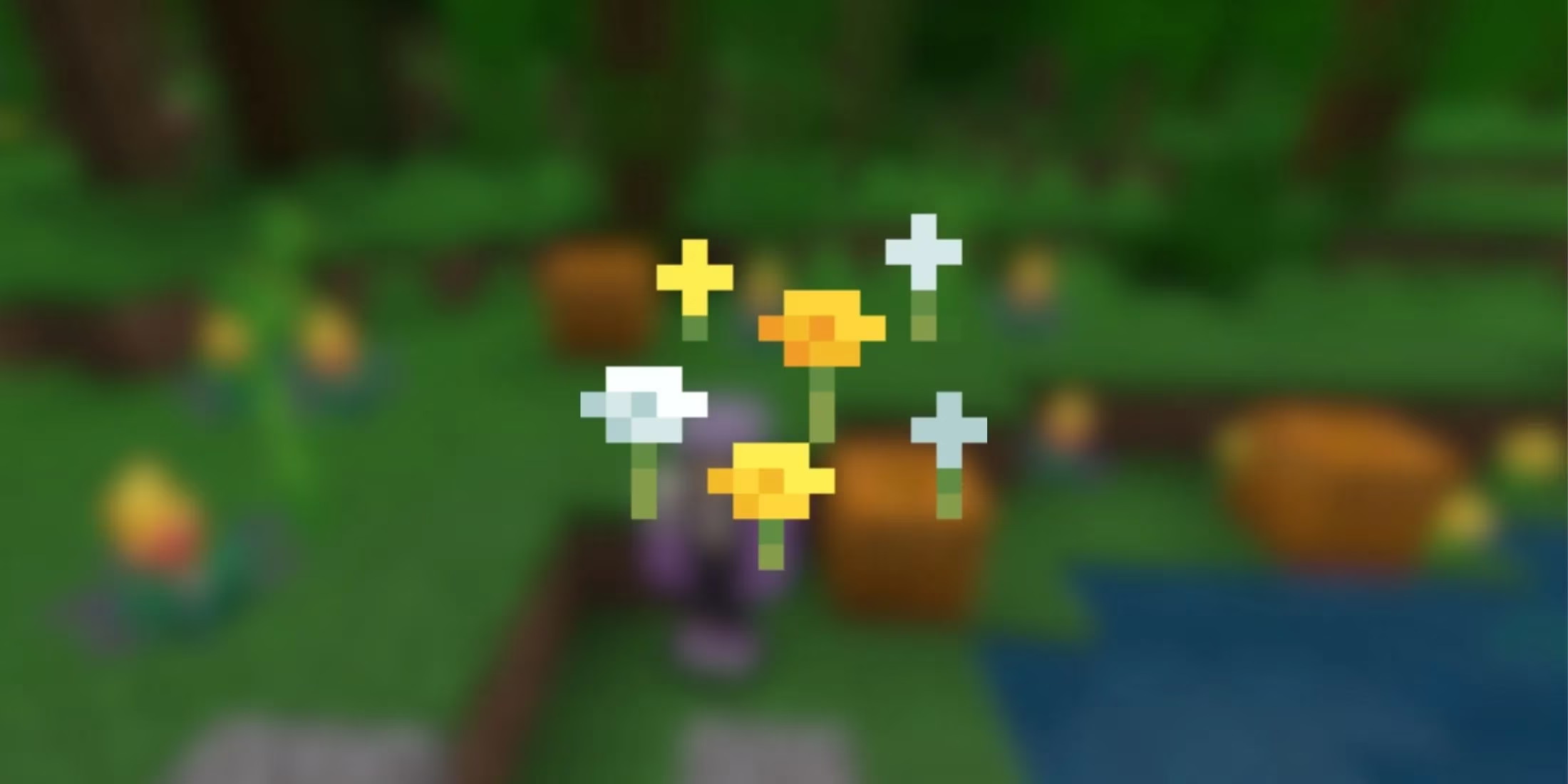
These are ground-cover flora. Pink Petals are found in Cherry Groves. Wild Flowers are tiny white/yellow patches found in forests or created with bone meal on grass.
19. Spore Blossom
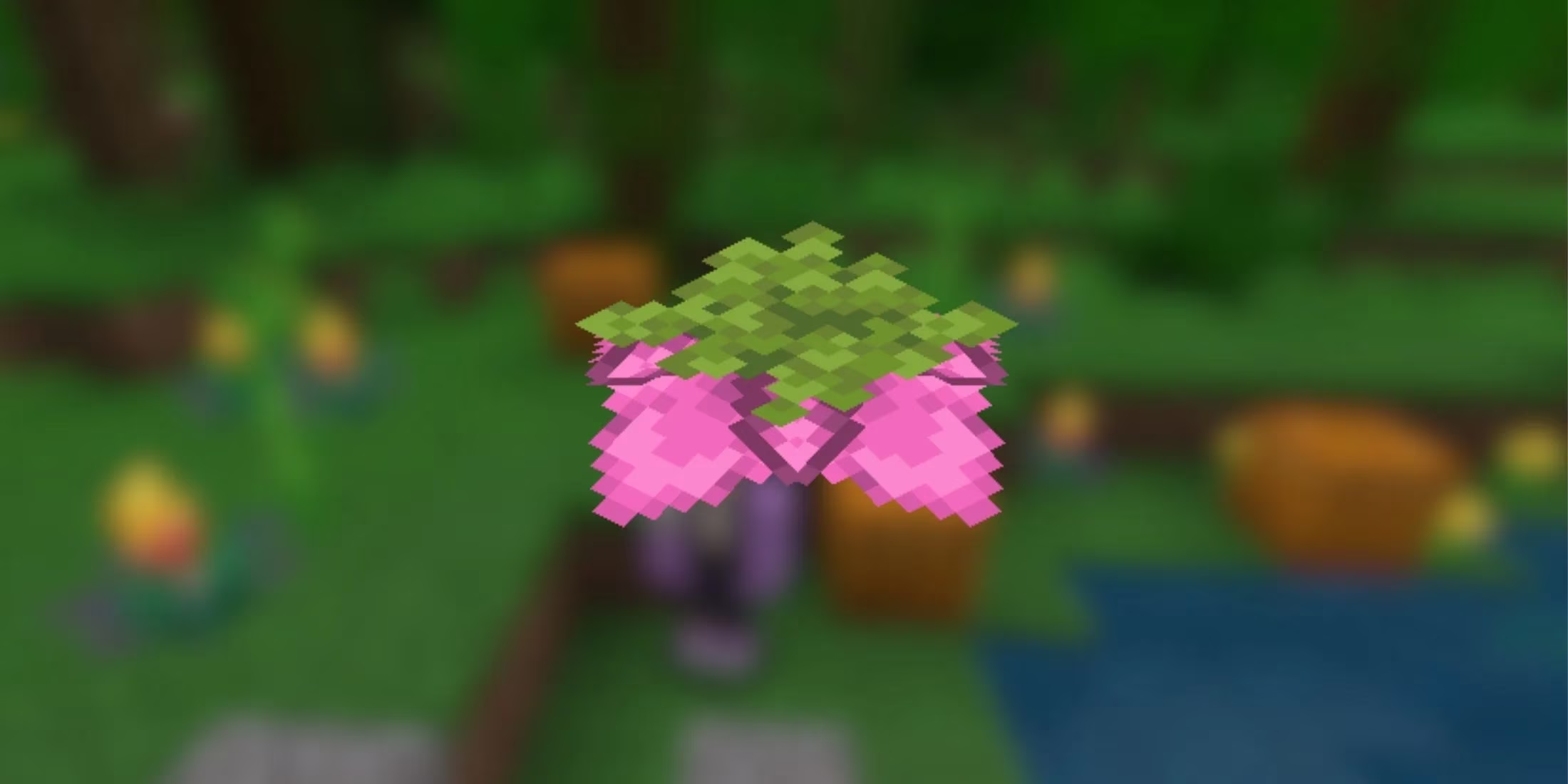
The ultimate ambiance flower! Found hanging from the ceilings of Lush Caves, it emits beautiful green particle effects. Purely decorative, but totally worth the hunt for your base's aesthetic.
Quick-Reference Flower Dye Table 🎨
| Flower | Dye Color Produced | Primary Use (Besides Dye) |
|---|---|---|
| Dandelion | Yellow | Rabbit Breeding/Leading |
| Poppy | Red | - |
| Blue Orchid | Light Blue | - |
| Allium | Magenta | - |
| Azure Bluet | Light Gray | - |
| Tulips (Red/Orange/Pink/White) | Red/Orange/Pink/Light Gray | Decoration |
| Oxeye Daisy | Light Gray | - |
| Cornflower | Blue | - |
| Lily of the Valley | White | - |
| Torchflower | - | Sniffer Breeding |
| Lilac | Magenta | - |
| Peony | Pink | - |
| Rose Bush | Red | - |
| Sunflower | Yellow | Natural Compass (Faces East) |
So there you have it, the complete 2026 guide to Minecraft's flowers! Whether you're dyeing a massive wool mural, setting up a buzzing bee farm, or just creating the garden of your dreams, knowing your flora is power. What's your favorite flower to use in builds? Let me know in the comments! Happy mining and gardening! ✨