Minecraft Bees and Honey: A Sweet Survival Guide
Master Minecraft bees and honey blocks with smart hive-finding, safe harvesting, and clever survival tips—even around angry swarms.
In the ever-evolving world of Minecraft, few additions have brought as much charm and utility as the humble bee. Since their introduction in the 1.15 update, bees have buzzed their way into the hearts of players, offering a unique blend of resource gathering, puzzle-solving, and occasional peril. Whether you're a seasoned explorer or a newcomer to the blocky landscapes, understanding how to find, harvest, and utilize these industrious insects can greatly enhance your survival experience. This guide will walk you through the process, from locating your first beehive to mastering the versatile honey block, all while keeping those angry stingers at bay.
Finding a Beehive
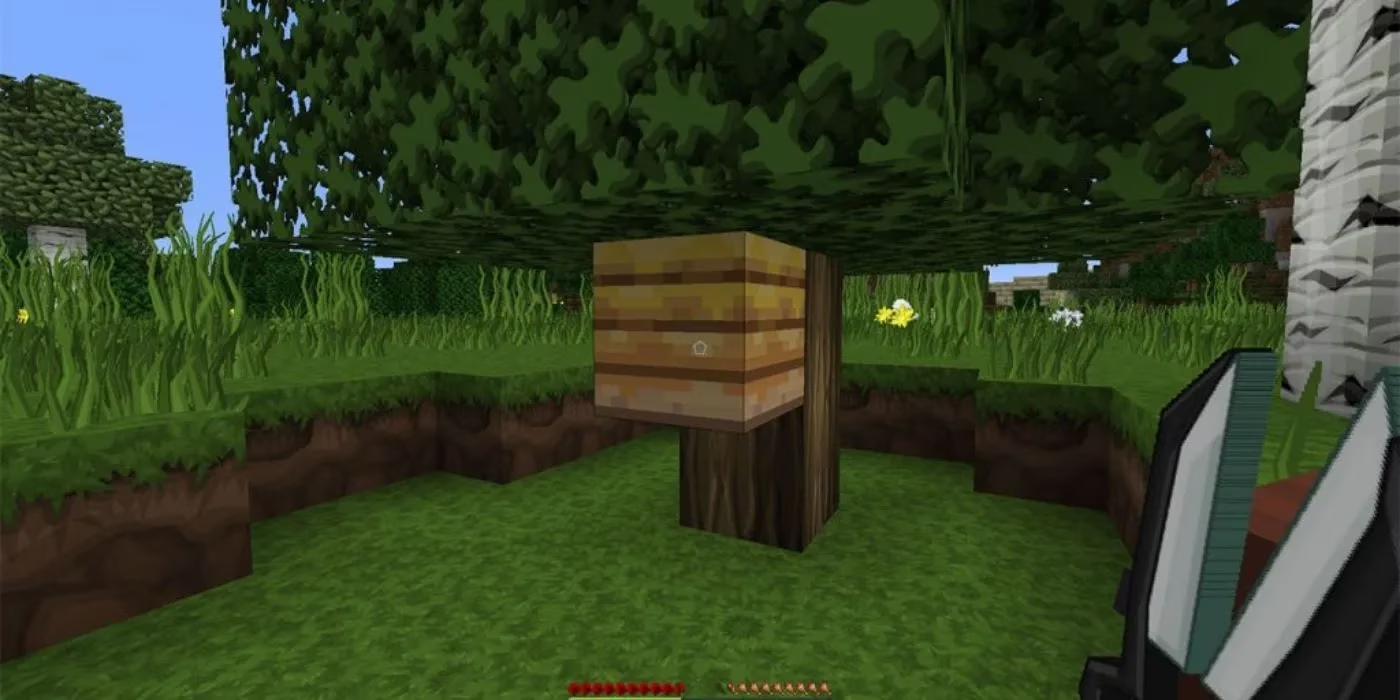
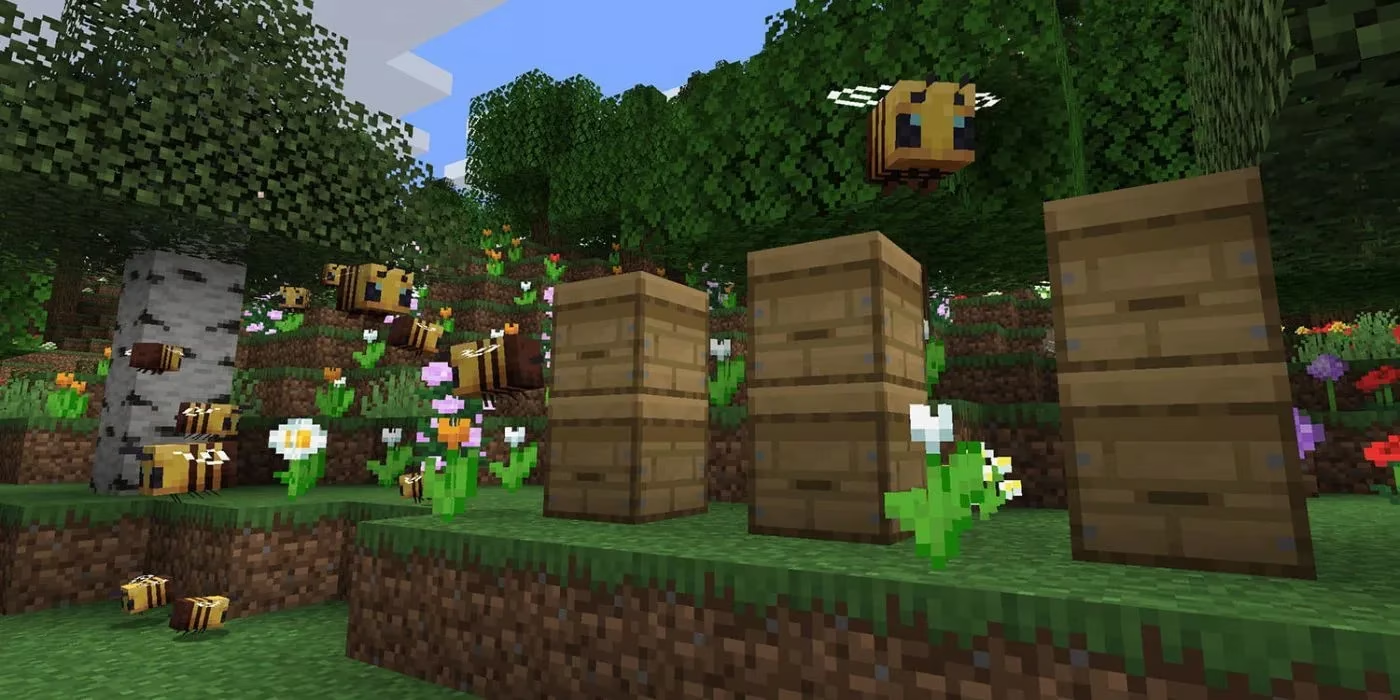
The first step in your apian adventure is locating a natural beehive. These structures generate in flower forests, plains, and regular forests, typically nestled among patches of colorful flowers. The flower forest biome is the best place to start your search, as bees are most abundant there. Keep an eye out for the distinctive texture of a beehive—once it starts oozing with honey, you'll hear a distinct dripping sound and see orange particles floating to the ground. That's your cue that the hive is full and ready for harvest.
Harvesting Honey and Honeycomb
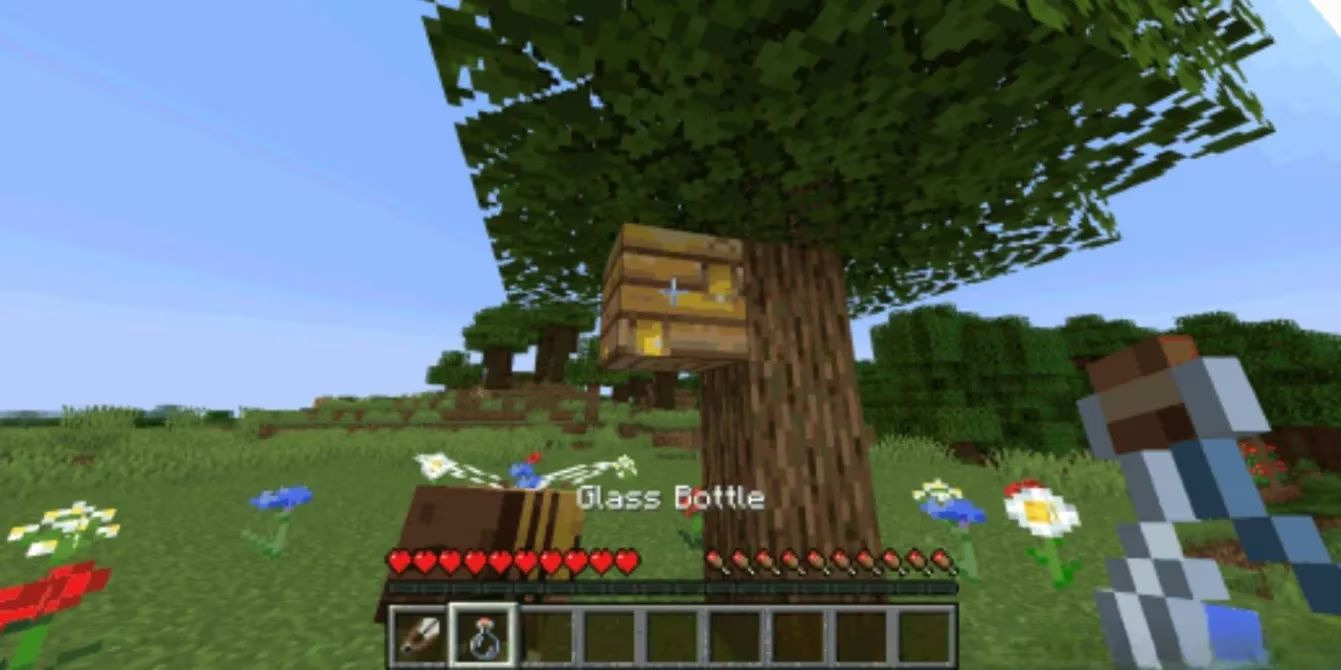
Before you can reap the sweet rewards, you'll need two essential tools: an empty glass bottle and a pair of shears. Using shears on a full beehive yields honeycomb, which can be crafted into your own beehive or a decorative honeycomb block. Alternatively, using a glass bottle on the hive fills it with honey, giving you a honey bottle. Four honey bottles can be combined to create a honey block, a unique material with surprising properties. Consuming a honey bottle restores a small amount of hunger and, more importantly, cures any poison status effects—a handy trick when exploring jungles or caves.

Calming the Bees
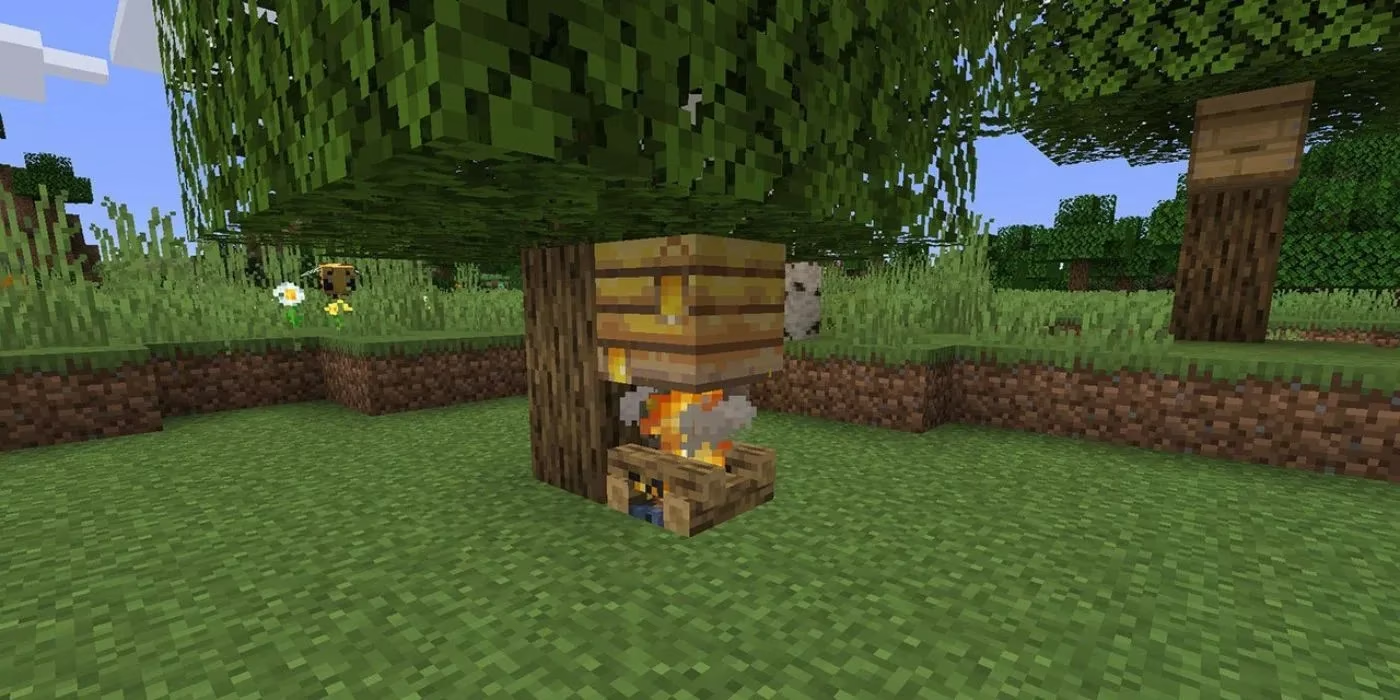
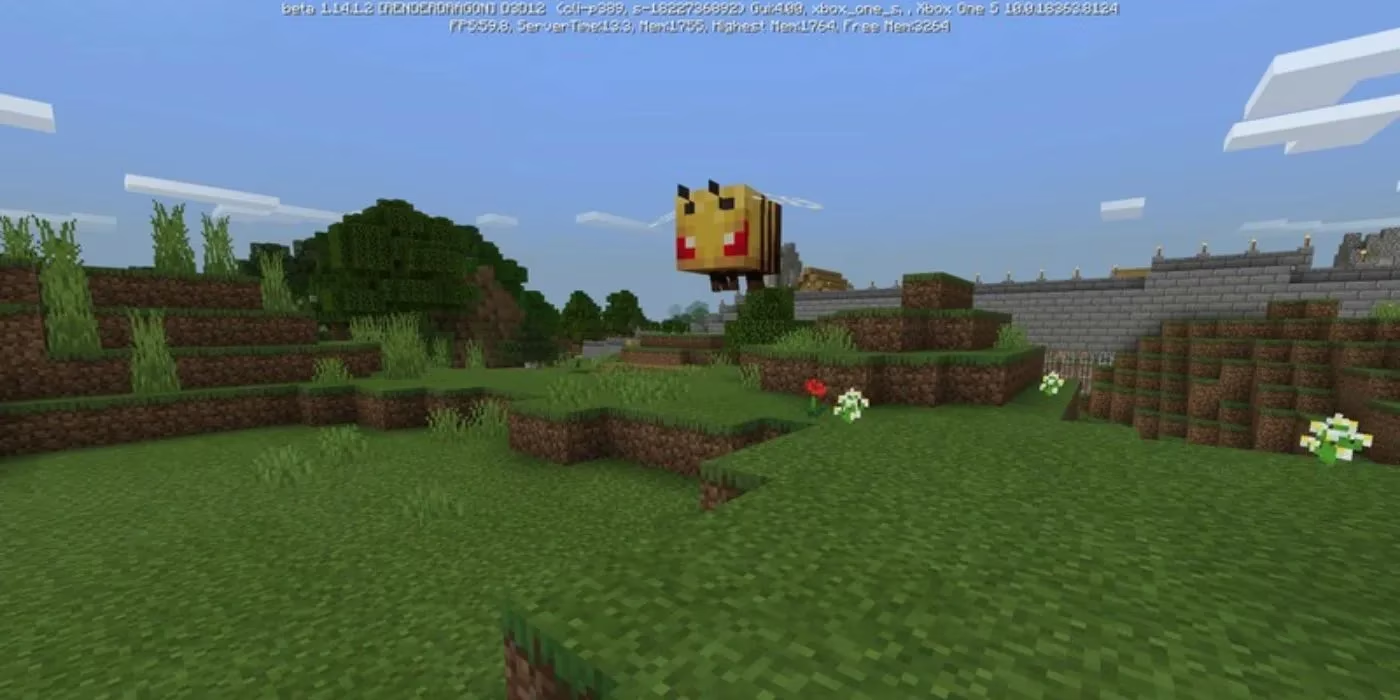
Harvesting from a beehive without preparation is a recipe for disaster. If you disturb the bees without calming them first, you'll find yourself at the center of an angry swarm. The simplest solution is to place a lit campfire directly beneath the beehive, within a maximum range of five blocks. The smoke from the campfire pacifies the bees, allowing you to harvest in peace. This trick works on both natural beehives and crafted ones, making it an essential part of any bee farm.
The Versatile Honey Block
Honey blocks are more than just a pretty, translucent building material. They possess unique physics that can be exploited in countless ways. Mobs will actively avoid walking on honey blocks, making them excellent for creating barriers or guiding paths. Any player or mob that does step on a honey block will find their movement speed significantly reduced and their jump height curtailed. Perhaps most usefully, honey blocks slow down falls and reduce fall damage by approximately 80%, allowing players to slide down vertical surfaces safely. This makes them perfect for descending cliffs or designing intricate parkour courses.


Creative Uses for Honey and Honeycomb
Beyond the basics, bees and their products open up a world of creative possibilities. Here are some ideas to get you started:
-
🐝 Automated Honey Farms: Combine beehives, dispensers, and redstone to create a fully automatic honey collection system.
-
🏰 Decorative Blocks: Honeycomb blocks add a warm, textured look to builds, while honey blocks can serve as translucent windows or sticky traps.
-
🍯 Potion Brewing: Honey bottles can be used to brew antidote potions, though their primary use is curing poison on the spot.
-
🚜 Mob Control: Use honey blocks to slow down hostile mobs or create safe landing zones.
-
🎨 Redstone Contraptions: The sticky nature of honey blocks (when combined with pistons) enables complex flying machines and movable structures.
Conclusion
Bees may not be the most powerful mobs in Minecraft, but they offer a delightful blend of challenge and reward. From the thrill of finding your first natural hive to the satisfaction of building a fully automated honey farm, these buzzing critters add depth to the survival experience. So next time you spot a flower forest, don your beekeeper's hat (figuratively, of course) and embark on a sweet adventure. Just remember: always bring a campfire.