Minecraft Legends PvE Base Building: Layered Defenses, Allies, and 2026 Fundamentals
Minecraft Legends best base strategies use layered walls, bait towers, and living defenders to build resilient PvE fortresses against Piglins.
In 2026, Minecraft Legends remains a settled PvE experience, and the strongest bases are still defined by tested fundamentals rather than patch-specific tricks. The core of the game is not merely repelling a wave of Piglin raiders; it is shaping how those raiders move, where they commit their attacks, and which structures they can reach before defenders eliminate them. A successful fortress is layered, deliberate, and supported by living units. Players who treat the base as a static shell often watch valuable structures fall, while those who combine walls, Towers, spawners, and Firsts create a defensive machine that turns the Nether's forces into a predictable problem.
🧱 The First Rule: Protect What Matters
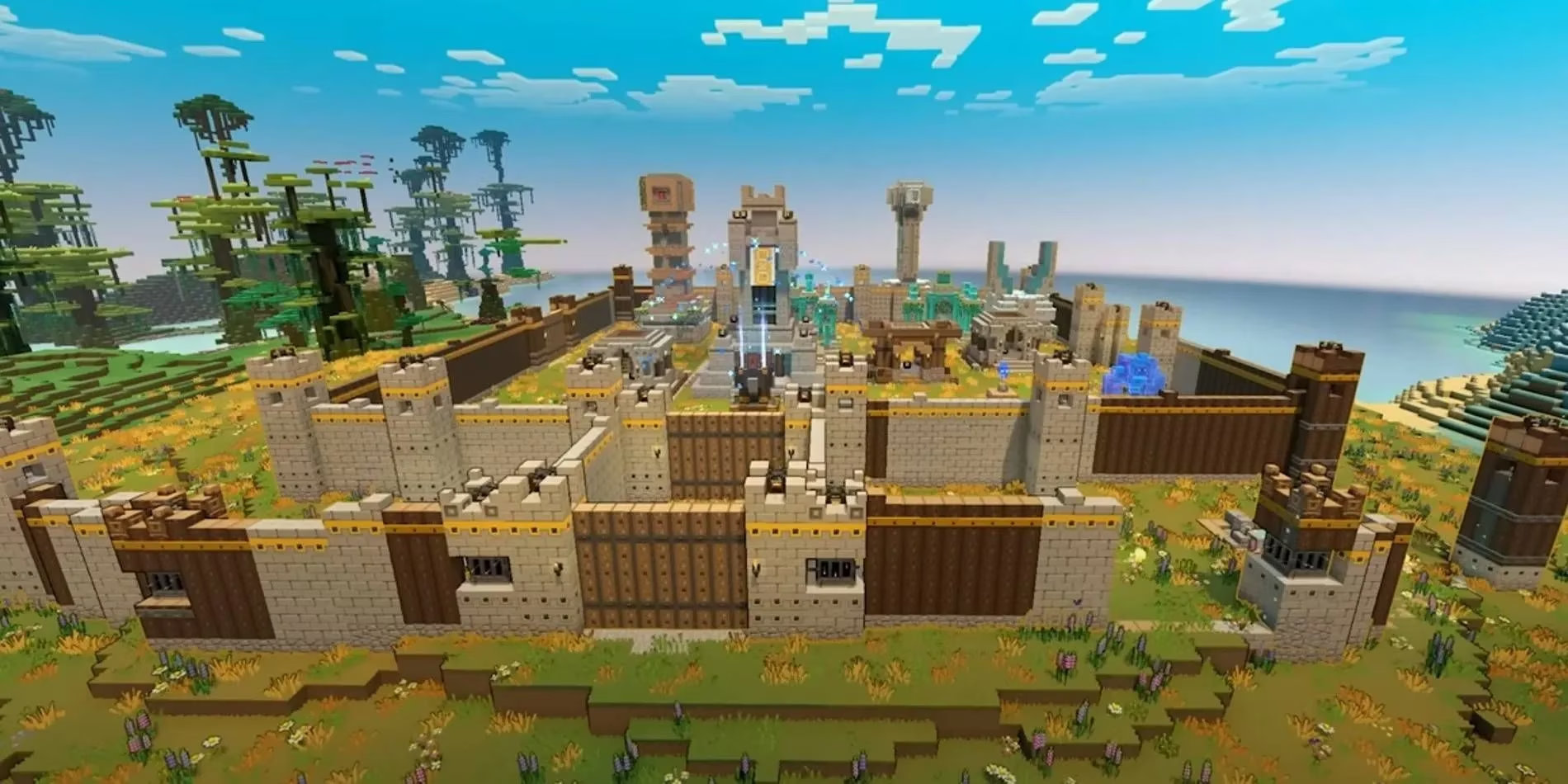
A universal principle applies to nearly every PvE layout: important structures need layered walls, especially Towers. The longer Piglins take to reach vital buildings, the more time defenders have to respond. This matters because Minecraft Legends is not a tower-defense game. Enemies are not trying to reach a single central objective. They are trying to destroy everything at once, from walls and structures to chests containing resources such as Coal. A base that protects only its center while leaving resource storage exposed is not truly defended.
Piglins are not especially sophisticated in PvE. Their AI is programmed to attack the nearest structure possible, which gives players a powerful lever. Instead of building one perfect shell, players can build bait. Archer Towers placed a little outside the main base, then fortified with three or four wall layers, concentrate Piglins in those areas. The enemy commits to the outer fortification while the main Towers and defending units do the real work. This trick also creates a safer pocket for generating mobs or Golems to send into combat as reinforcements.
🏹 Two Reliable PvE Layouts
One effective approach is the outer bastion model. Archer Towers sit slightly beyond the main base, each wrapped in several wall layers. Piglins drift toward the nearest structure, so they collide with the bastion rather than scattering into the heart of the base. The main base remains a second layer of defense, and players can produce reinforcements from relative safety. The layout is especially useful when the enemy brings large groups, because it turns open ground into a controlled killing zone.
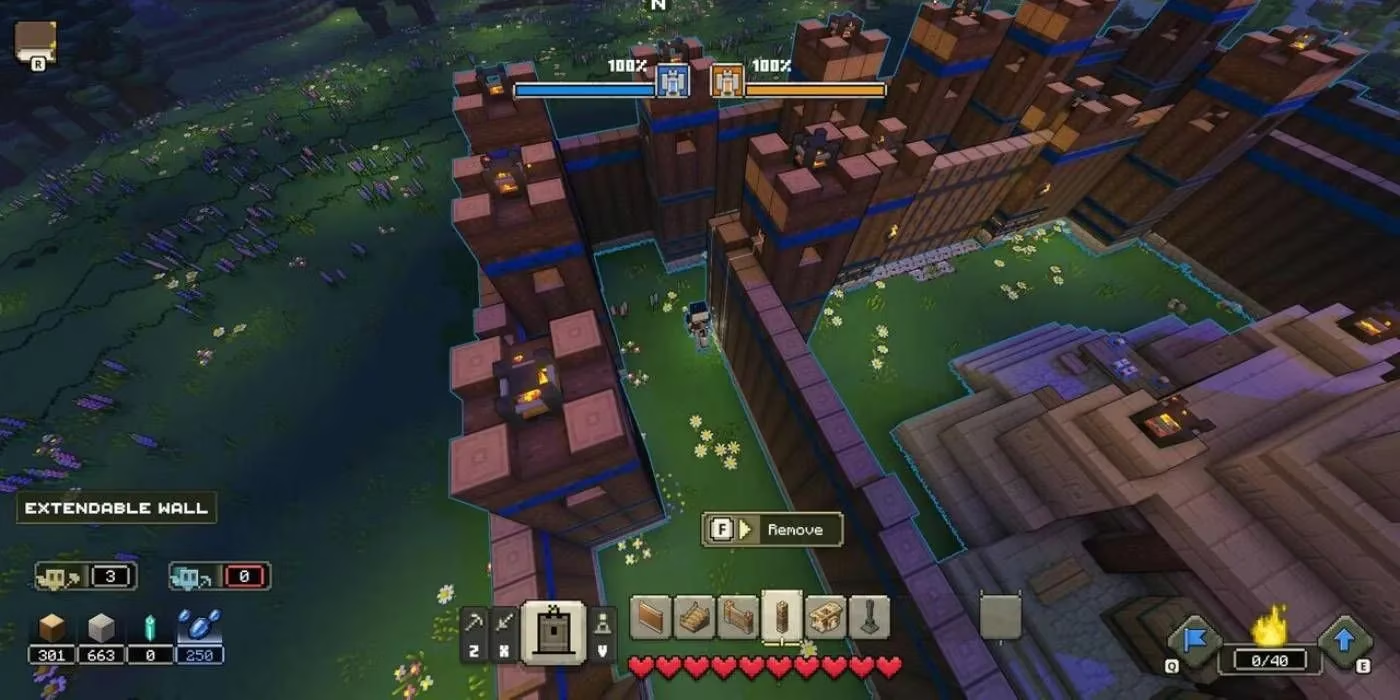
A second approach is the thick perimeter model. Players build thick walls with Archer Towers along the perimeter, then add one extra wall layer on the inside. Mobs and Golems wait inside the first layer, ready to eliminate stragglers or reinforce breached sections of the outer wall. This design gives a strong outer defense and a flexible inner response. A wider perimeter can be particularly effective in PvE co-op, where another player can cover a different section or bring reinforcements to a collapsing flank.
| Layout | Best Use | Main Strength | Watch Point |
|---|---|---|---|
| Outer bastion | Solo PvE and heavy raids | Concentrates Piglins away from core structures | Bastions need enough wall layers to delay enemies |
| Thick perimeter | Co-op and broader bases | Strong outer defense with an inner response force | Wider walls demand more resources and attention |
| Mixed layered base | Long sessions and resource-heavy maps | Balances bait, Towers, and interior defense | Poor spacing can split defenders too far apart |
🐾 Units Are Part of the Fortress
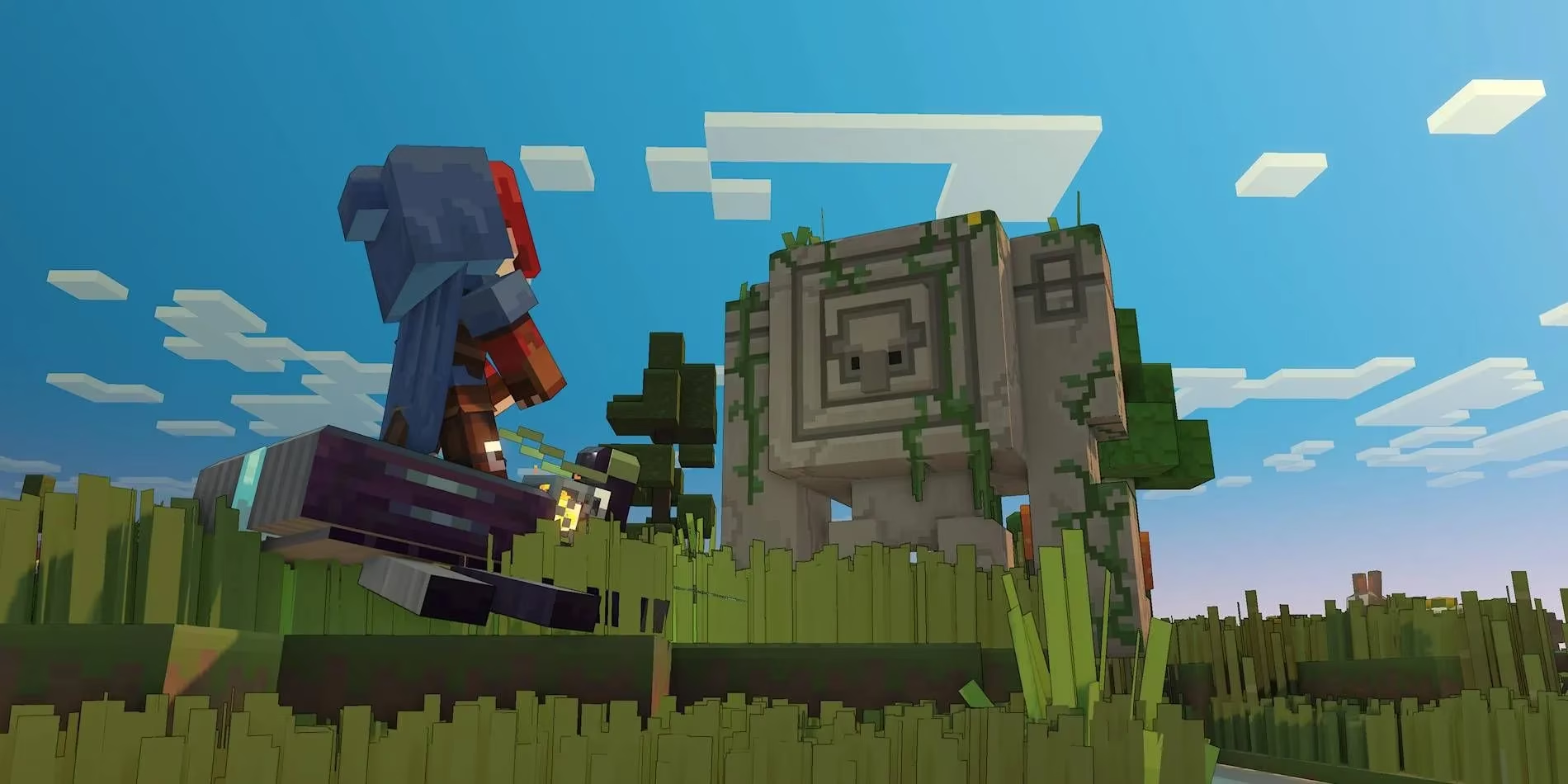
The units that defend a base are just as vital as the walls or Towers. Players begin with a few Golems, and those units become weaker as the story progresses. That early comfort does not last. Exploring and collecting resources allows players to build mob spawners for creatures such as Zombies, Creepers, and Skeletal Archers. These spawners provide aid during battle and turn a passive base into an active defensive system.
Skeletal Archers add ranged pressure. Zombies absorb attention and clog approaches. Creepers punish dense enemy clusters when positioned behind a wall or near a breach. The exact mix depends on the layout, but the principle is consistent: walls buy time, Towers deal damage, and mobs fill the gaps. A base with empty courtyards and no spawners is a base waiting to be overwhelmed.
✨ Firsts and the Late-Game Defense
Building a base in Minecraft Legends only ends up being the first step. Players eventually combine their tricks and strategies with the ultimate allies called Firsts, which are essentially upgraded Golems that excel against Piglins in PvE. Firsts should not be treated as a casual addition. They are a mobile answer to serious pressure, and they work best when the base has already shaped enemy movement. A First released into a bastion chokepoint is far more valuable than one chasing enemies across open ground.
🛠️ A Practical 2026 Checklist
-
🧱 Layer walls around Towers and resource storage, not just the center.
-
🏹 Place Archer Towers outside the main base to bait Piglin attacks.
-
🧱 Add three or four wall layers around exposed Towers.
-
🐾 Build spawners for Zombies, Creepers, and Skeletal Archers.
-
✨ Save Firsts for concentrated fights and breached sections.
-
🤝 In co-op, widen the perimeter only when both players can cover it.
-
⛏️ Gather resources continuously; a base without reserves cannot rebuild.
The best PvE bases in Minecraft Legends are not the most ornate. They are the most readable. Piglins see a nearby structure and commit. Players see the commitment and respond with Towers, mobs, Golems, and Firsts. In 2026, that simple exchange remains the heart of fortress design, and it is still the most reliable way to make a base that the Nether's forces regret approaching.