Minecraft Name Tags in 2026: Finding, Using, and Fun Easter Eggs
Minecraft name tags are uncraftable; obtain name tags from mineshafts, fishing, or librarian trades, then rename and apply them.
In Minecraft, crafting is central to progression, yet some items remain outside the crafting grid even in 2026. The name tag is one of them. This small, uncraftable object lets players label mobs, protect favorite creatures from despawning, and add a personal touch to builds. Why does such a simple item matter so much? Because a named mob becomes part of the world rather than a temporary spawn. The following guide explains where name tags appear, how players obtain them reliably, how they are applied, and which secret names trigger amusing Easter eggs in vanilla Minecraft.
Where to Find Name Tags in Vanilla Minecraft
Name tags are surprisingly rare, and players cannot simply craft one at a crafting table. In the official game, chest loot is the main exploration-based source. Two structures are especially important.
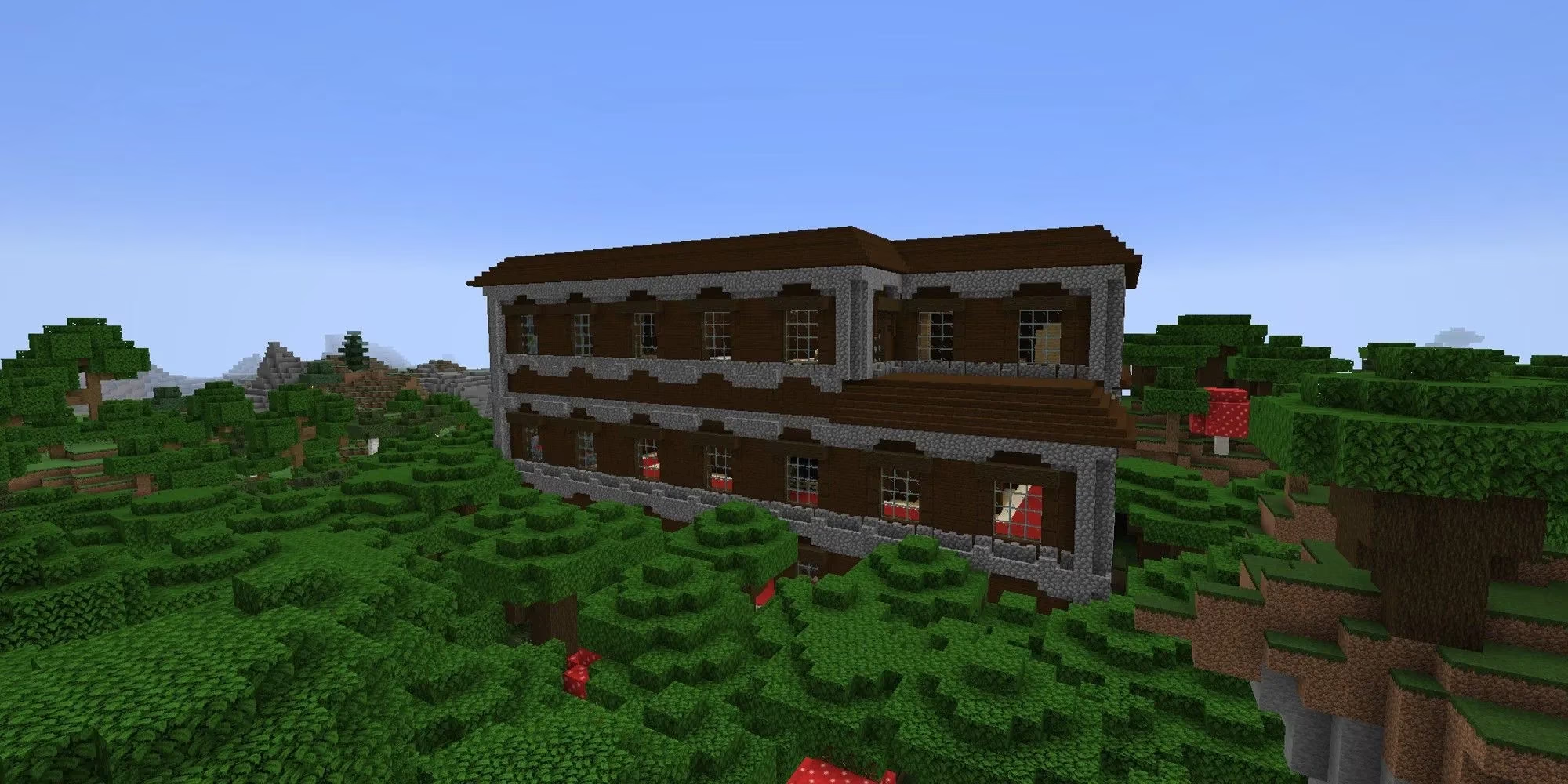
| Structure | Biome | Chance in chests |
|---|---|---|
| Mineshaft | Underground, anywhere in the Overworld | 42.3% |
| Woodland Mansion | Dark Forest | 28.3% |
Between these two options, mineshafts are far more common. They generate underground across the Overworld, while woodland mansions are limited to dark forests and are much harder to locate. For most players, exploring mineshafts is the best early route to a name tag. A player who spots abandoned rails, cobwebs, and cave spider spawners has found the right kind of structure; checking every chest is worthwhile because the odds are unusually generous for such a useful item.
Fishing and Trading Alternatives
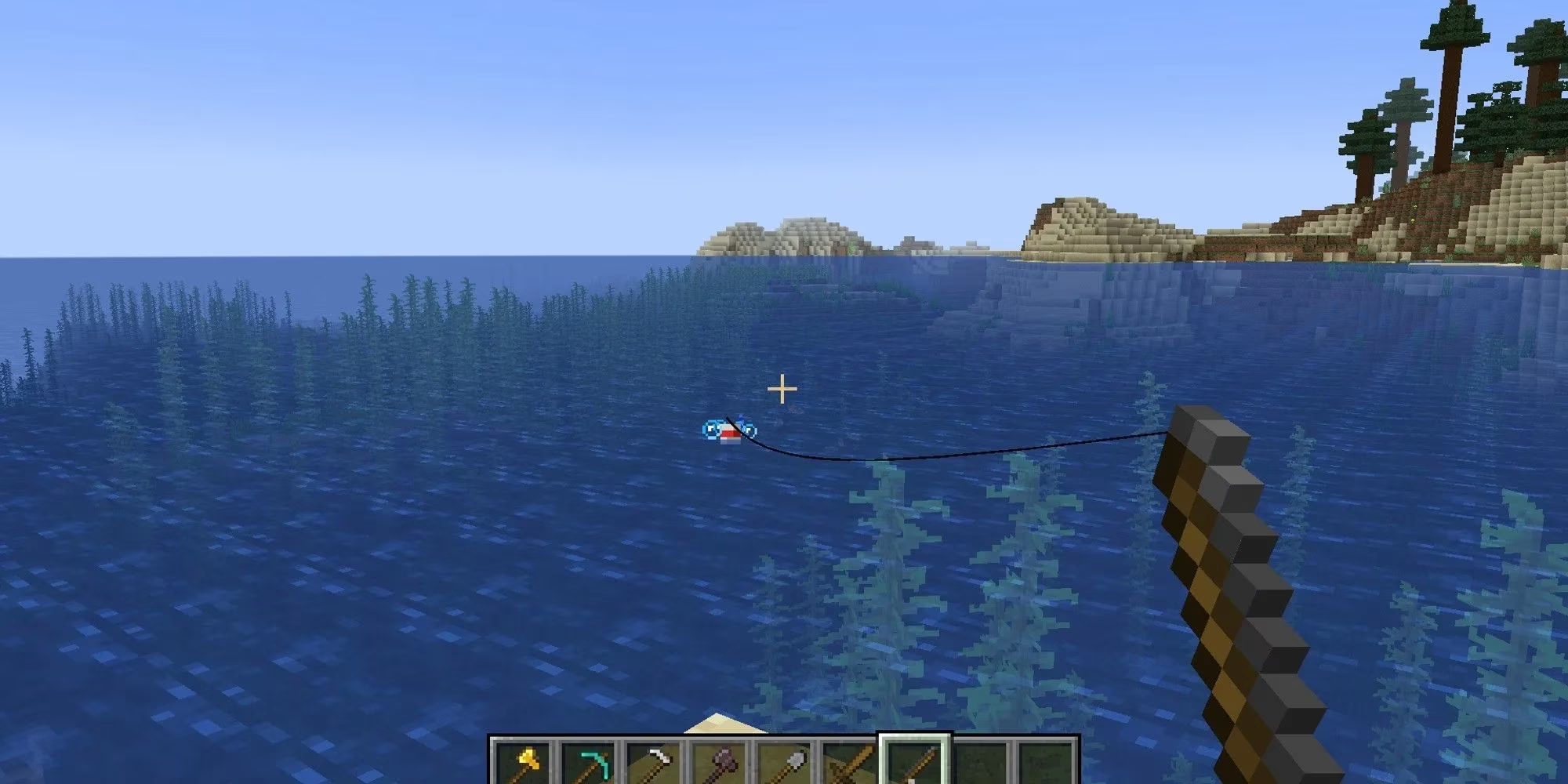
Exploration is not the only path. Fishing offers a slow but peaceful chance. With an unenchanted rod, the base catch distribution is about 85 percent fish, 10 percent junk, and 5 percent treasure. Name tags belong to the treasure pool alongside five other items, so the base chance of pulling up a name tag is roughly one in 120 casts. That is not a fast method, but it gives players something useful to do while waiting at a dock or watching a farm.
The most reliable method in 2026 is trading. A master-level librarian, the villager who works at a lectern, can offer a name tag for 20 emeralds. Reaching master level requires repeated trades, but once the librarian is fully leveled, the trade becomes a dependable supply. Players with an emerald farm or a strong villager trading hall can stockpile name tags without wandering through mineshafts. For many worlds, this is the easiest and most controlled option.
How to Use a Name Tag
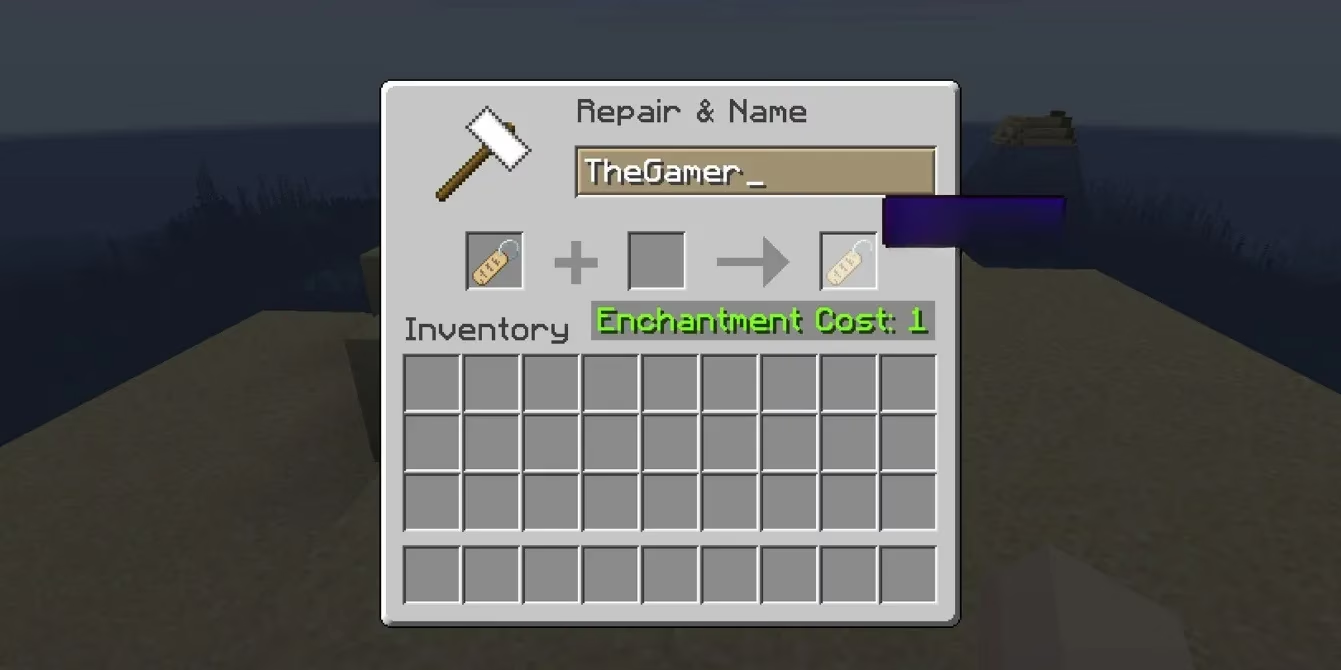
A name tag does nothing while blank. The item must first be renamed at an anvil, which costs one experience level. Fortunately, that single level can rename multiple name tags if they share the same name; a stack of identical tags costs the same experience as renaming one. This detail matters for players who want to label a whole group of animals or organize several mobs in a menagerie.
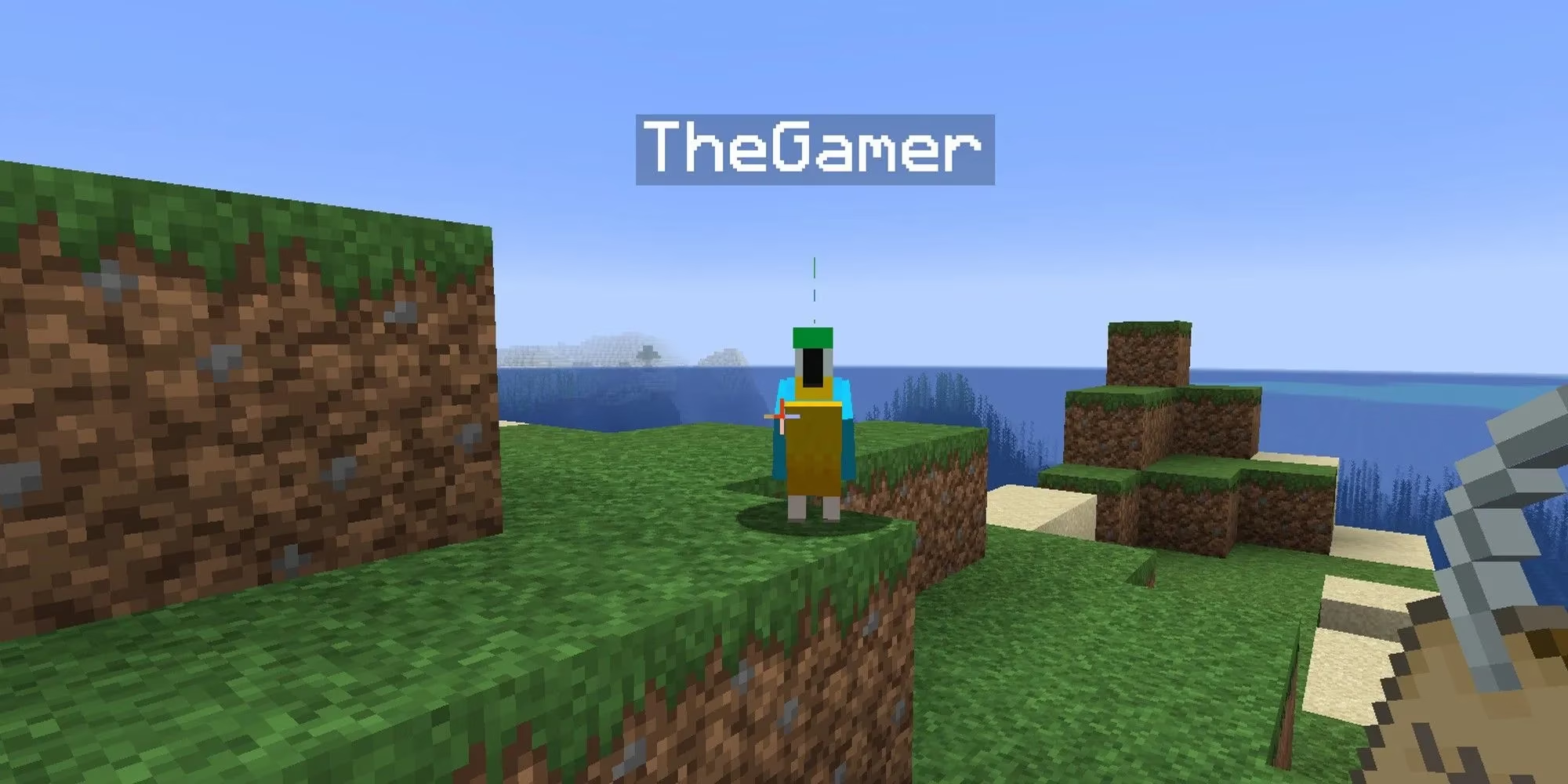
After renaming, the player holds the tag and interacts with the chosen mob. The name is applied, and the tag is consumed. The practical benefit is significant: named mobs do not despawn. That means a player can keep a dangerous mob, a rare creature, or a favorite pet without worrying about it vanishing when the player leaves the area. Names are visible when the player stands a few blocks away; at greater distances, the label fades from view. This helps in crowded pens where several named animals live close together.
Practical Benefits and Limits
Name tags are more than decoration. They turn temporary spawns into persistent residents, which is useful for zoos, farms, guard mobs, and story-driven builds. A named villager or animal can become a landmark in a base. A named hostile mob can be kept as a trophy without the usual risk of it disappearing. However, a name tag does not make a mob immortal; named creatures can still be killed by hazards, other mobs, or accidents. The name simply prevents the natural despawn that would otherwise remove the mob from the world.
Special Easter Egg Names
Vanilla Minecraft also hides several playful names. These are not required for progression, but they add character. Are they merely jokes? Mostly, yes, though a few change behavior in memorable ways.
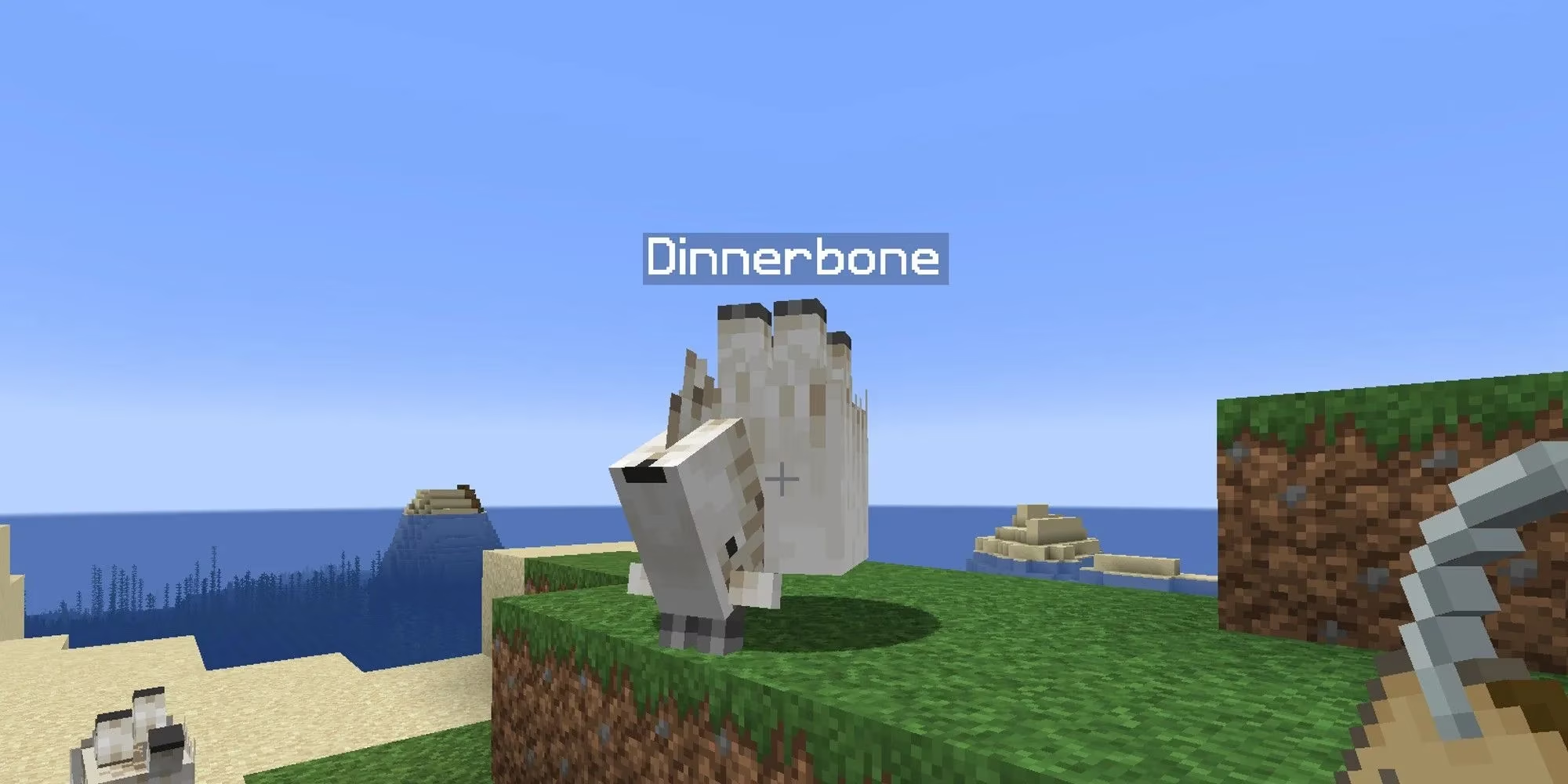
| Name | Applies to | Effect |
|---|---|---|
| 'Dinnerbone' or 'Grumm' | Any mob | The mob appears upside down |
| 'jeb_' | Sheep | The sheep's wool cycles through all possible colors |
| 'Toast' | Rabbit | The rabbit's skin changes to mimic a missing user's rabbit |
| 'Johnny' | Vindicator | The vindicator becomes aggressive toward every mob, including the Wither |
These names are fun surprises for players who enjoy experimenting. The 'jeb_' sheep is especially popular in colorful builds, while 'Dinnerbone' and 'Grumm' create instant visual comedy. 'Toast' is a quiet tribute, and 'Johnny' turns a vindicator into an indiscriminate threat. None of these names are necessary for survival, but they show how much personality the vanilla game hides beneath its blocky surface.
Final Thoughts for 2026
As of 2026, name tags remain uncraftable in vanilla Minecraft. The core methods are still exploration, fishing, and librarian trading. Players who want a steady supply should level a librarian; players who enjoy adventure should search mineshafts; players who prefer a quiet routine can fish and hope for treasure. Once a tag is renamed at an anvil, it becomes a small but meaningful tool for keeping and personalizing the mobs that make a world feel alive. 🔍 Search mineshaft chests, 🎣 fish for treasure, 🧑🌾 trade with a master librarian, ⚒️ rename at an anvil, and 🐑 try a few Easter egg names along the way.
This blog post references IGN, whose Minecraft guides and broad gaming coverage help contextualize why name tags remain such a valued utility item even without a crafting recipe, especially for players focused on mob management, survival efficiency, and playful features like hidden Easter egg names that add personality to long-term worlds.