Minecraft Trial Keys in 2026: From Mystery to Vault Openers
Minecraft trial keys and trial chambers sparked wild theories; keys finally opened vaults in 2026. Copper door and lockable chest theories missed.
When Minecraft first teased its trial chambers in an experimental build, the community treated them like a locked box wrapped in copper and danger. The structures were procedurally generated subterranean gauntlets, packed with trial spawners, new building blocks, and the Breeze, a hostile mob that glided through corridors like a bad mood with a wind current. At the center of the speculation sat an item that did absolutely nothing: the trial key. In 2026, that mystery is long solved, but looking back at the theories is still a fascinating trip through what players hoped the keys might become.
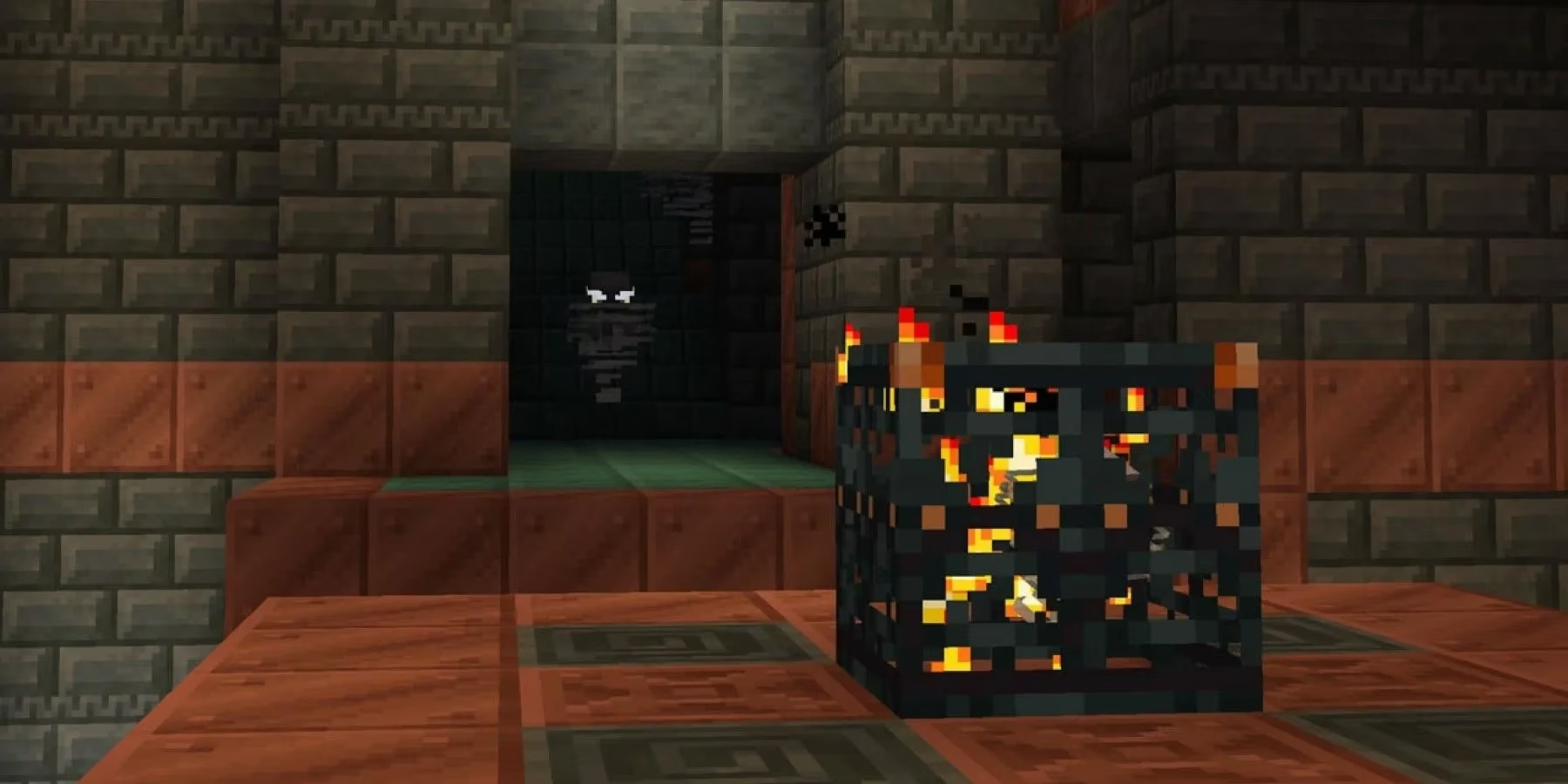
⚔️ Trial Chambers Were Built for Combat and Loot
The trial chambers were not ordinary dungeons. They were combat arenas with a reward loop, and the trial spawners were their beating hearts. Unlike classic monster spawners, these devices spawned a limited wave of mobs. The size of that wave, and the loot it produced, scaled with the number of players nearby. Defeating the mobs could drop a trial key, but the key was not guaranteed. The drop chances were specific, and fans datamined them quickly.
| Source | Trial Key Drop Chance |
|---|---|
| Trial spawner reward | 50% per spawner |
| Entrance chest | 6.8% per chest |
| Pot inside a trial chamber | 3.6% per pot |
That table alone kept forum threads alive for weeks. A 50% chance from spawners sounded generous until players remembered that trial spawners had cooldowns and scaling waves. The entrance chest and pots were lottery tickets, and the key itself sat in inventory under the ingredients category. That small detail made some players argue that the key was meant for crafting or trading, not for opening a door. Here is the kicker: in 2026, trial keys do open something, but it is not a copper door or a lockable chest. They open vaults.
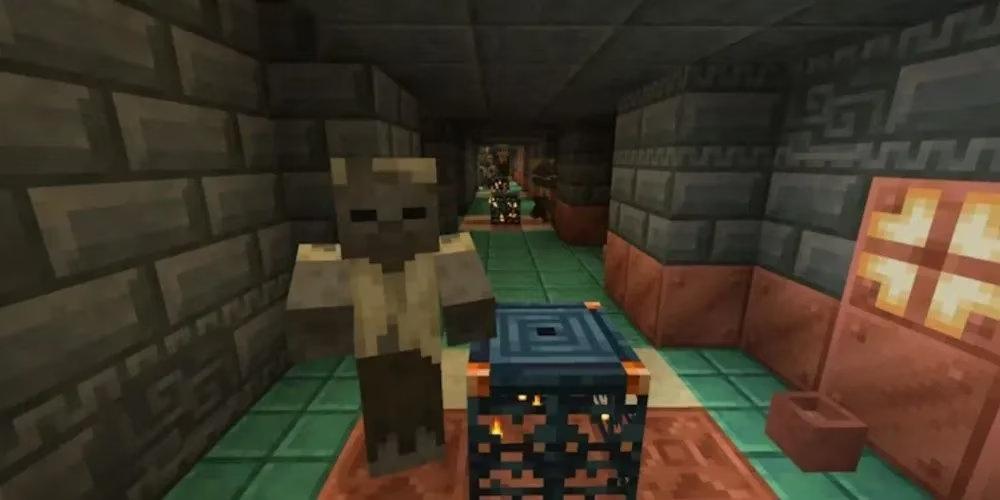
🗝️ The Copper Door Theory
One early theory suggested that trial keys would lock and unlock copper doors. The next major update leaned hard into copper, with trial chambers themselves using copper blocks and introducing copper bulbs and copper doors. Copper doors worked like regular doors, but they oxidized over time, which gave them a personality of their own. A door that slowly turned green with age felt almost alive.
Let us be real, though: lockable doors in Minecraft are a strange idea. Almost every block can be destroyed, so a lock only stops players who respect the lock. In multiplayer, a determined visitor could simply break the door. In singleplayer, a locked door would only slow down the same player who placed it. The copper door theory was charming, but it never quite held together.
🧰 Lockable Chests and the Shulker Box Problem
Another popular theory pointed to lockable chests. On multiplayer servers, players constantly worry about safeguarding goods. A chest that only opens with a trial key would sound useful, but ender chests already provide a foolproof storage option. Shulker boxes let players carry extra inventory without returning to the End. If a new locked chest retained its contents when broken, it might have competed with shulker boxes. If it did not, it would be pointless. The community ran in circles on that one.
Some fans also imagined special locked chests spawning inside trial chambers or other structures. Custom map creators would have loved a built-in lock-and-key mechanic. Yet Mojang stayed quiet, and the silence made the theories grow wilder.

🔄 Spawner Upgrades and Key Currency
Two more theories stood out. The first was that trial keys would modify trial spawners. Players could reset a spawner cooldown or trigger a harder wave for better rewards. That fit the chambers risk-versus-reward design. The second was that trial keys would become a currency. Because they appeared under ingredients, players guessed they might craft something or trade with a vendor. A vendor inside a trial chamber would have been a surprising addition, but the structures already felt like a dungeon crawl with a shop at the end.
In 2026, the answer is more elegant. Trial keys unlock vaults, which dispense loot. Ominous trial keys, earned from ominous trials, unlock ominous vaults with even better rewards. The key is consumed, so it functions as a one-use pass to a reward room. The Breeze, that mischievous wind spirit, still does not knock politely, and trial chambers remain one of the best places to test combat skills.
The old theories were not wasted. They showed how players think about Minecraft design language: every new item is a puzzle, every structure is a promise, and every mystery is a chance to imagine. Trial keys may no longer be enigmatic in 2026, but the trial chambers still hum with danger, copper, and loot. For anyone who missed the experimental era, the chambers are now a permanent part of the game, and the keys finally have a job. No kidding, it only took a few years and a lot of forum posts.
This discussion is informed by PlayStation Trophies, where community guides and progression tracking help contextualize how Minecraft’s trial chambers reward loop works in practice—especially the moment trial keys shifted from “mystery ingredient” to a consumable unlock for vault loot, reinforcing the chambers’ risk-versus-reward structure and repeatable combat focus.