Minecraft’s D&D Campaign Brings Classes, Monsters, and MMO-Style Combat
Minecraft's Dungeons & Dragons campaign expansion is a 10-hour story-driven Forgotten Realms adventure with four classes and iconic monsters.
Players who have spent years stacking blocks and dodging Creepers finally get a tabletop-flavored detour: Minecraft’s Dungeons & Dragons campaign expansion turns the blocky sandbox into a story-driven adventure through the Forgotten Realms. Announced during the D&D Direct showcase by Riccardo Lenzi and Tom Sargent, producers at Mojang Studios and WotC, the collaboration is not a small cosmetic crossover. It is a roughly 10-hour campaign with four classes, familiar locations such as Caer Dineval and Candlekeep, and a roster of monsters that includes Mimics, Beholders, a Gold Dragon, and a Gelatinous Cube. For players checking in during 2026, the useful framing is simple: this is a guided D&D-style story mode inside Minecraft, not a replacement for open-world survival.
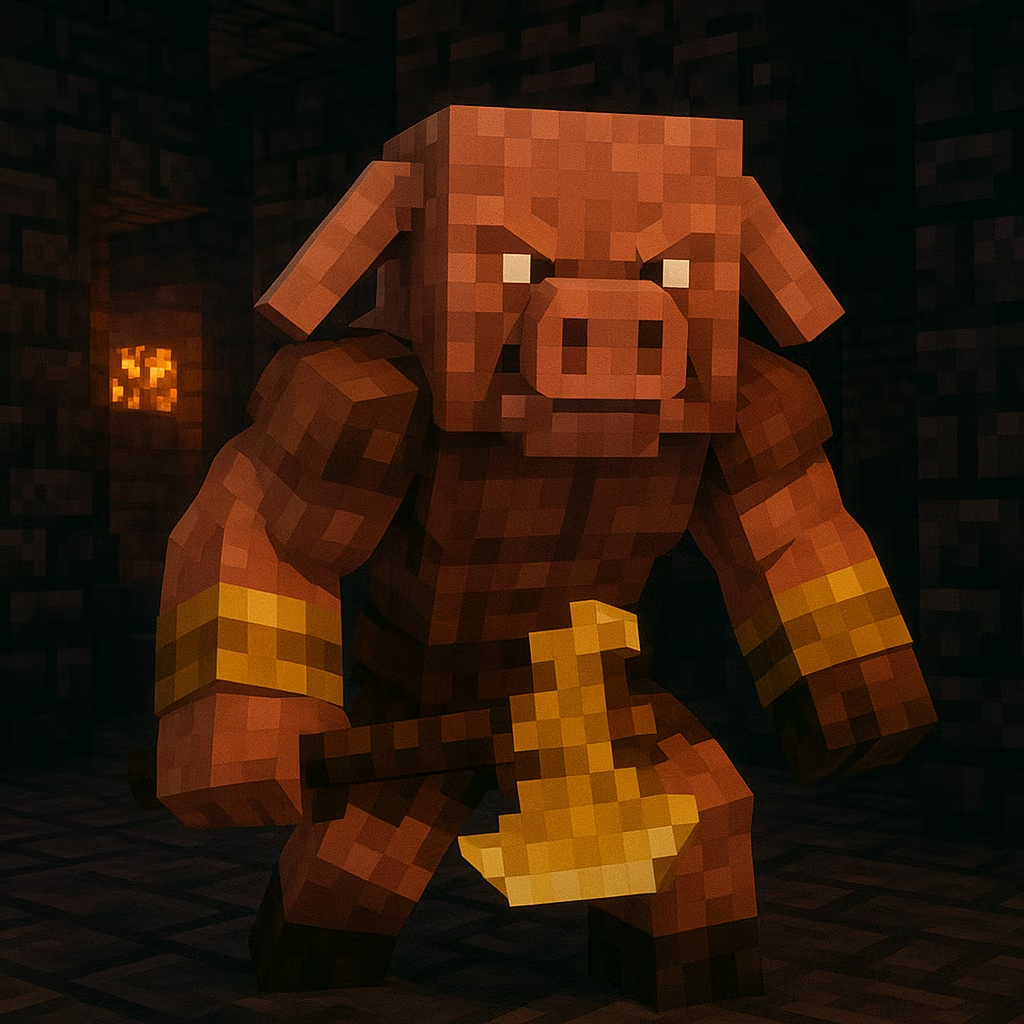
A guided tour of the Sword Coast
The expansion borrows the structure of an adventure mode. Players create a character, pick from Paladin, Barbarian, Wizard, or Rogue, and then follow a storyline that moves between villages and cities. The world is deliberately limited. It is not optimized for a fully open-world survival experience, and that is part of the point. The Forgotten Realms locations act as hubs where players can prepare before heading out on the next leg of the journey. Caer Dineval and Candlekeep give the campaign recognizable landmarks, while the Sword Coast provides the connective tissue for both D&D creatures and Minecraft mobs to cause trouble.
That hub-and-route design keeps the focus on story beats, encounters, and class fantasy. Players are not expected to wander forever or build a mega-base in the middle of a narrative campaign. Instead, they move from one set piece to the next, use class abilities to solve problems and win fights, and earn rewards that push the story forward. The pitch sounds like a compact RPG campaign rather than a sandbox with a D&D skin.
Four classes, cooldowns, and stats
The four classes give players distinct roles. Mojang and WotC have framed the choice around character creation and class abilities, with cooldowns and stats that affect how well a character performs tasks. That means the Paladin, Barbarian, Wizard, and Rogue are not just costumes. They are mechanical identities with abilities that matter in combat and beyond.
| Class | Fantasy flavor | What players should expect |
|---|---|---|
| Paladin | 🛡️ Holy warrior with staying power | A sturdy front-line option with class abilities on cooldown |
| Barbarian | 💥 Raw force and aggression | Direct pressure and heavy hits |
| Wizard | 🧙 Arcane control and burst | Powerful moves that reward timing |
| Rogue | 🗡️ Precision and mobility | Tricky tools for players who like finesse |
The exact balance will matter, but the design goal is clear: players should feel their class in the moment-to-moment loop. Stats and gear add another layer. As players level up, they gain new abilities and improve their characters with equipment found along the way. That progression loop gives the campaign a sense of momentum, even though the world itself is more guided than a standard Minecraft survival map.
A new combat rhythm
Perhaps the most interesting part of the expansion is its combat system. It encourages players to combine basic attacks with powerful moves. Players trigger attacks from a hotbar, then wait for big moves to cool down. The rhythm sounds similar to combat rotations in MMO games, where players weave smaller actions between high-impact abilities. That is a notable shift for Minecraft, which usually lets players approach combat with simple swings, bows, and traps.
The system also gives monsters room to shine. Beholders, Mimics, Gold Dragons, and Gelatinous Cubes bring classic D&D threats into the blocky world. Meanwhile, Creepers, Endermen, and the Ender Dragon descend on the Sword Coast to wreak havoc. That mix is the crossover’s best trick: it lets familiar Minecraft mobs appear as part of a D&D-flavored campaign, while D&D monsters get a Minecraft-style introduction. Players must use class abilities to breeze past enemies, earn rewards, and progress.
Presentation and platform notes
The campaign features narration supported by voiced characters, plus new music to hype up the action. That presentation layer matters because a story-driven DLC lives or dies on pacing. Voiced characters and a narrator can make the hubs feel alive, and new music can give combat encounters more punch. The expansion is also set to arrive in spring on all platforms that support Minecraft. In 2026, players should treat the spring window as the original release plan rather than a fresh countdown; the more relevant takeaway is that the campaign was designed as a cross-platform story mode.
For D&D fans, the appeal is a chance to see the Forgotten Realms through Minecraft’s visual language. For Minecraft players, the appeal is a structured adventure with classes, cooldowns, gear, and a combat loop that asks for more than holding down attack. It is a collaboration with a clear identity: a 10-hour, story-led campaign that uses the Sword Coast as a stage and turns Minecraft combat into something closer to an RPG rotation. That is a promising combination, even for players who usually prefer to ignore quests and build until the sun goes down.