The Pantheon of Open-World Resource Management Games Dominating 2026
2026's top resource management games turn base building into a war on chaos, highlighted by Soulmask and Abiotic Factor.
In the year 2026, the humble act of picking up virtual sticks and stones has blossomed into a full-blown obsession that grips millions of souls daily. The true connoisseur of open-world gaming doesn\u2019t merely explore\u2014they conquer, reshape, and automate entire digital ecosystems with an almost divine madness. The line between survival and godhood blurs as these masterpieces demand that every player craft a home base not just to scrape by, but to thrive in environments so vast and detailed they feel more real than the morning coffee. Resource management is the beating heart of these experiences; it\u2019s the difference between a frantic scramble for scraps and the serene hum of a self-sustaining utopia. From shivering on a tiny raft in an endless ocean to commanding an industrial empire across a universe, 2026\u2019s finest titles have raised the bar to ludicrous heights. Here, then, are the legends\u2014the games that have turned inventory sorting into high art and base building into a declaration of war against chaos itself.
Soulmask: Where Autonomous Minions Carry Your Empire
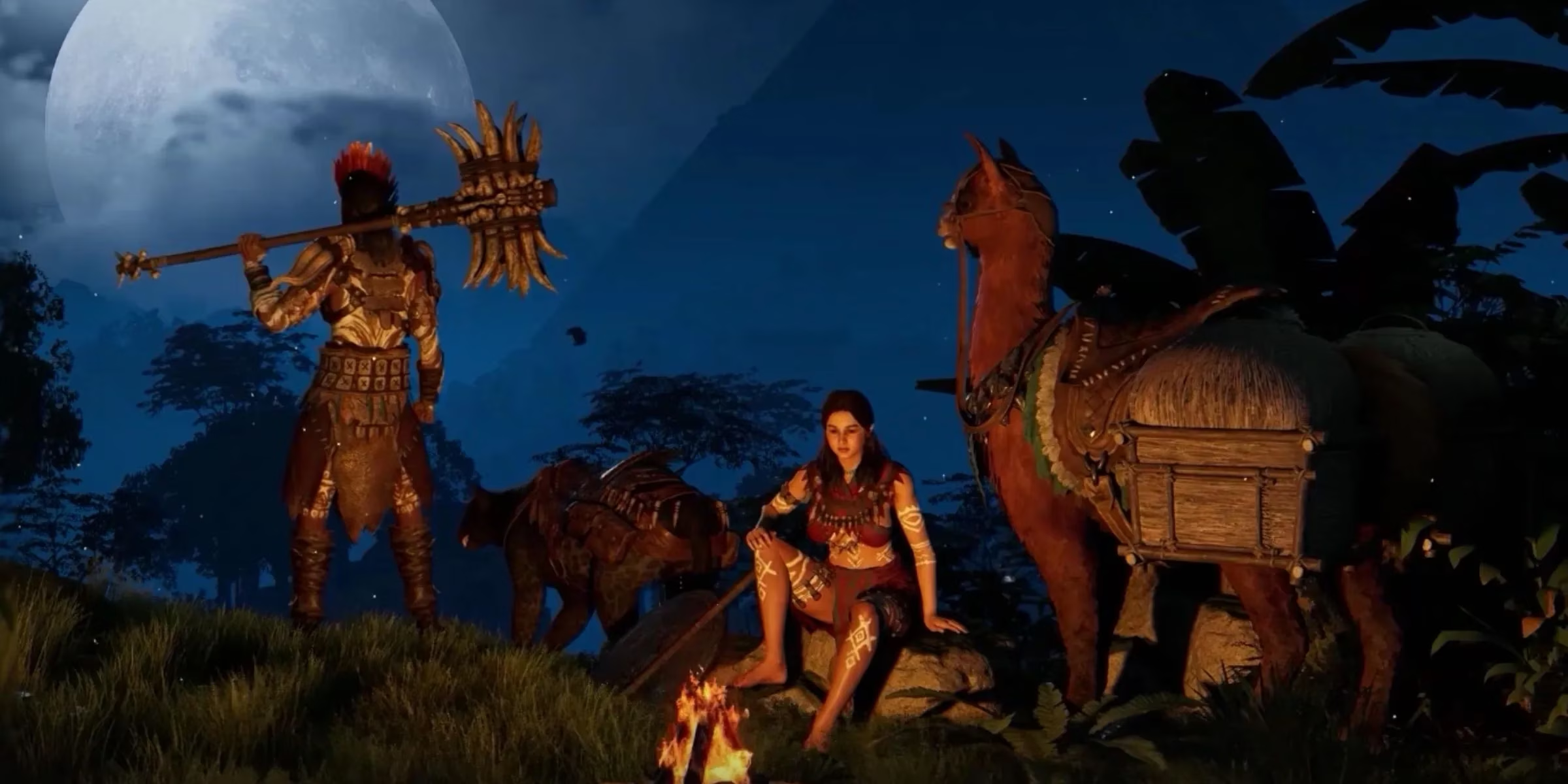
Soulmask doesn\u2019t just hand you a world; it dares you to enslave it\u2014metaphorically, of course. This MMO-infused marvel crashes onto the scene with visuals so crisp they might slice through your cornea, a storyline dripping with mystery, and eight distinct weapon types that transform combat into a ballet of carnage. But the real sorcery lies in automation: players gradually recruit NPCs and bend them to their will, turning a fledgling camp into a roaring, self-operating fortress. PvP adds a layer of treachery where guilds clash like drunken titans, while the offline single-player mode coddles the lone wolf. The resource loop here is a delirious spiral\u2014harvest, craft, upgrade, repeat\u2014until every piece of iron and fiber has been accounted for. It\u2019s a symphony of efficiency, and the conductor holds a very sharp spear.
Abiotic Factor: Underground Terror as a Loot Pi\u00f1ata
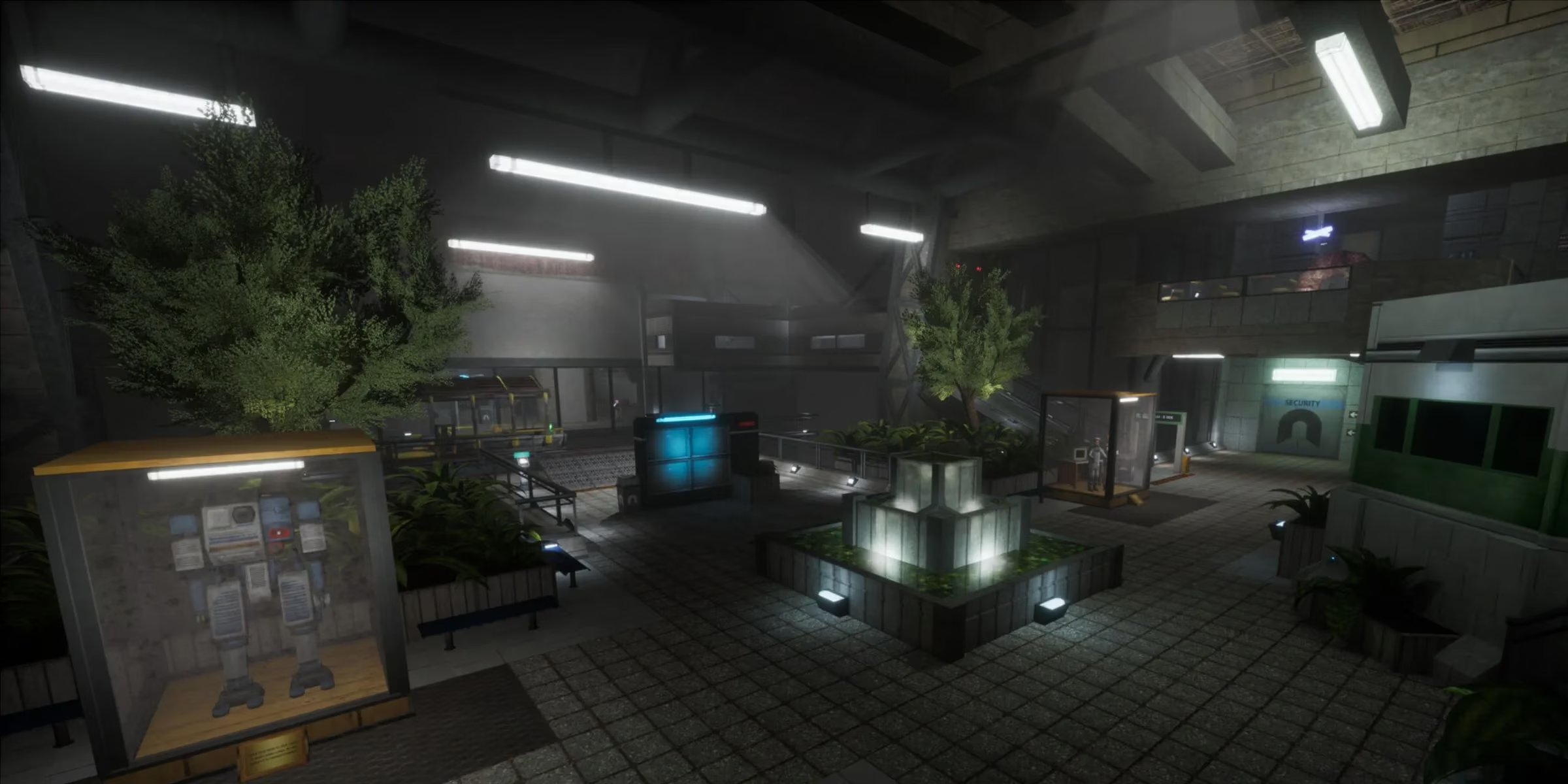
Imagine an SCP containment breach that collided with the unhinged scavenging of Lethal Company, then buried it miles beneath the crust. That\u2019s Abiotic Factor, a game that drags players into a subterranean research facility where every corridor whispers doom. Resources aren\u2019t just lying around\u2014they must be pried from the cold, twitching claws of nightmare entities. Crafting weapons, armor, and gadgets from the wreckage becomes a holy ritual. The narrative unfurls with a grim whimsy, best devoured alongside friends in co-op, though solo masochists are welcome. Seasonal updates keep the terror fresh; by 2026, the facility has bloomed into a labyrinth of ever-evolving horrors. Managing supplies here feels less like inventory tetris and more like performing emergency surgery with a rusty spoon.
Slime Rancher: Adorable Chaos You Can Automate
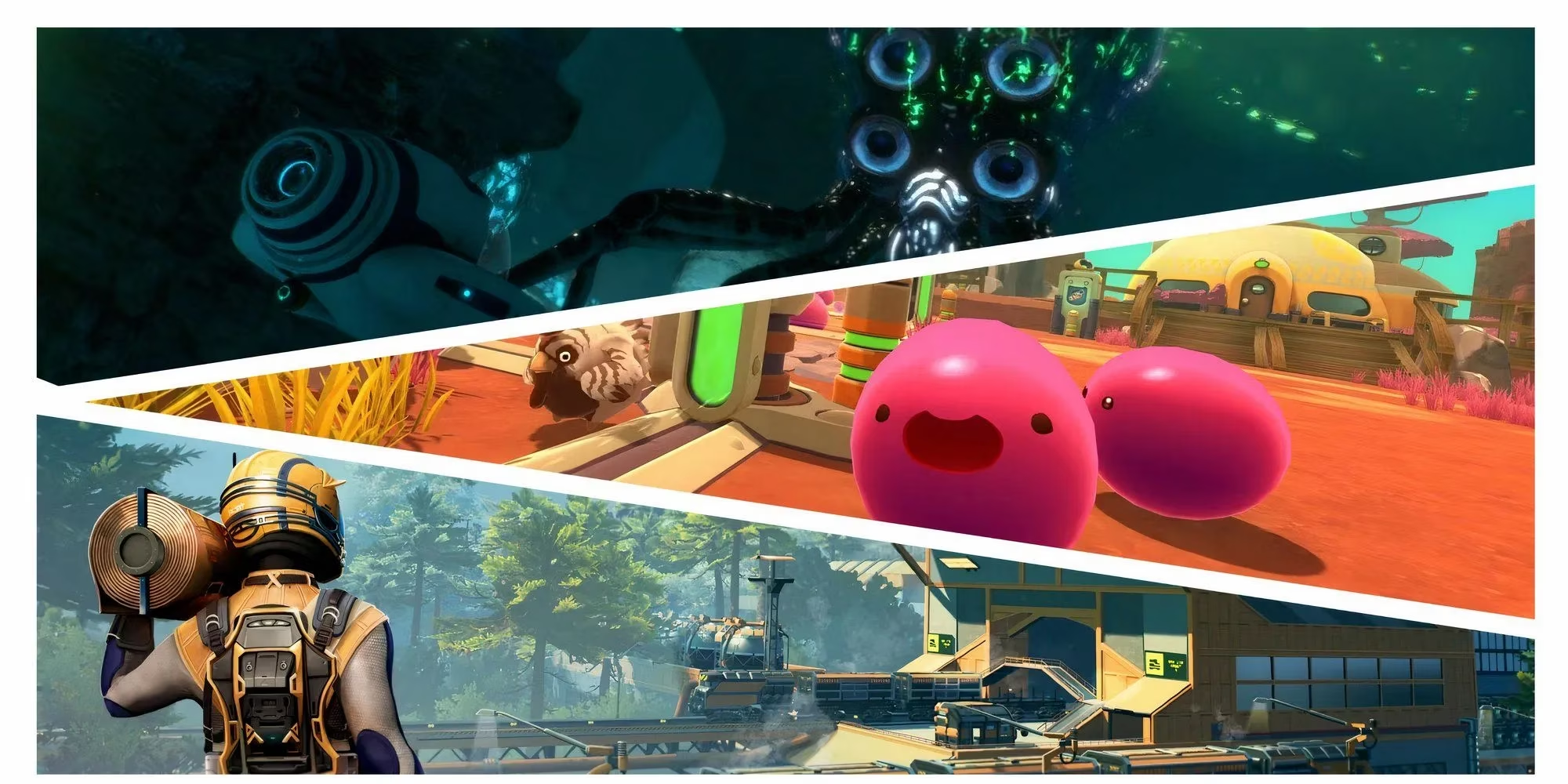
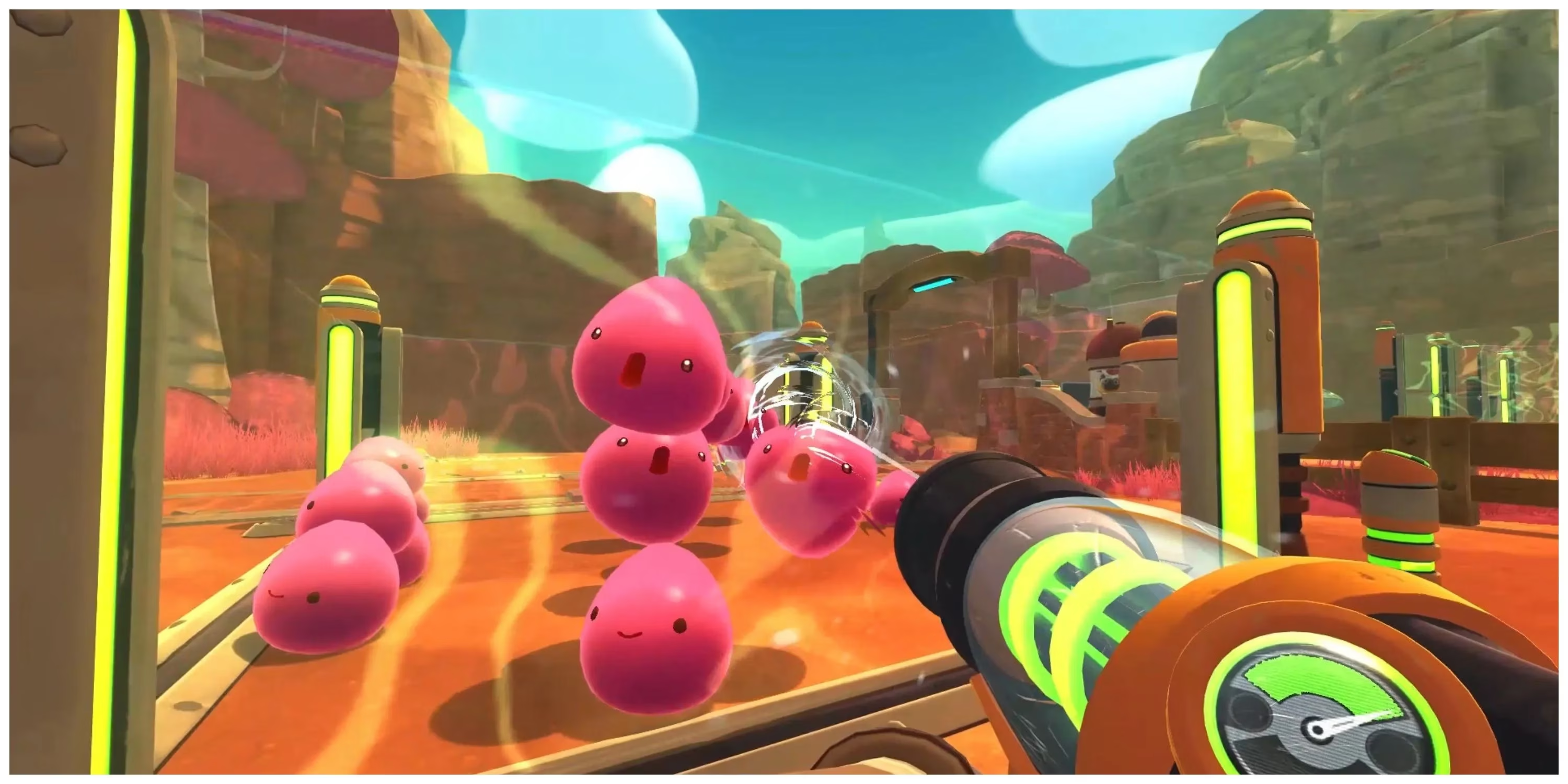
On the far, far surface of a planet drenched in pastel wonder, Slime Rancher giggles in the face of grimdark survival. Sixteen squishy Slime variants bounce, burble, and occasionally conspire to overrun the player\u2019s ranch. The resource management here is a sugar-coated empire builder: plant alien crops, harvest plorts, upgrade the corrals, and then\u2014oh, sweet automation\u2014unlock Slime Science to set up drones that do your bidding while you sip virtual lemonade across five biomes. The sequel has only multiplied the jiggly madness. This isn\u2019t a game; it\u2019s a full-time job of cuddling capitalism, and the Far Far Range has never looked so ruthlessly efficient.
Raft: The Oceanic Empire That Started with a Hook
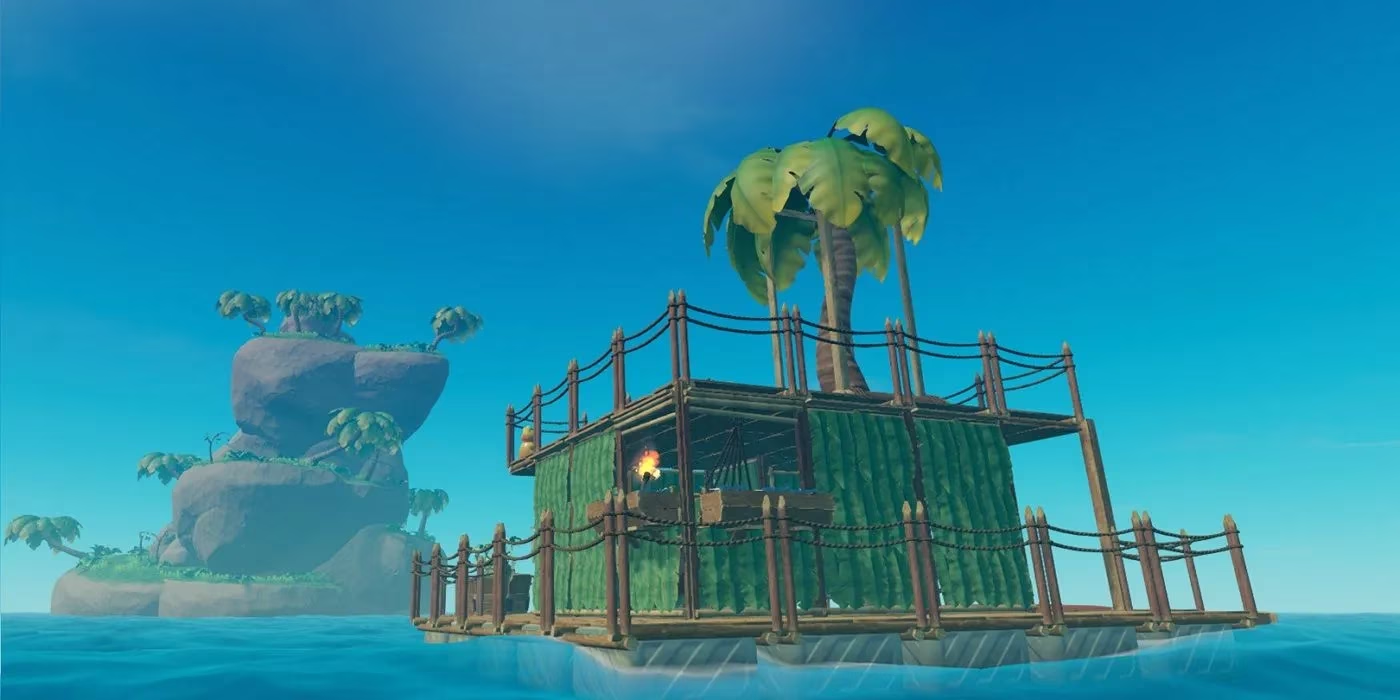
The vast, salt-thrashed loneliness of Raft begins with a single piece of flotsam and a hook so pathetic it\u2019s almost insulting. Yet within hours, that same player stands atop a floating mansion that would make Poseidon weep. Procedurally generated islands drift into view, each a pi\u00f1ata of scrap and mystery. The scavenging system transforms mundane debris into plumbing, smelters, and engine rooms. Co-op turns survival into a floating diplomatic incident. By 2026, the modding community has injected everything from flying sharks to gourmet kitchens, making each playthrough a bespoke voyage. Managing this liquid homestead is the most Zen-like panic attack a gamer can endure.
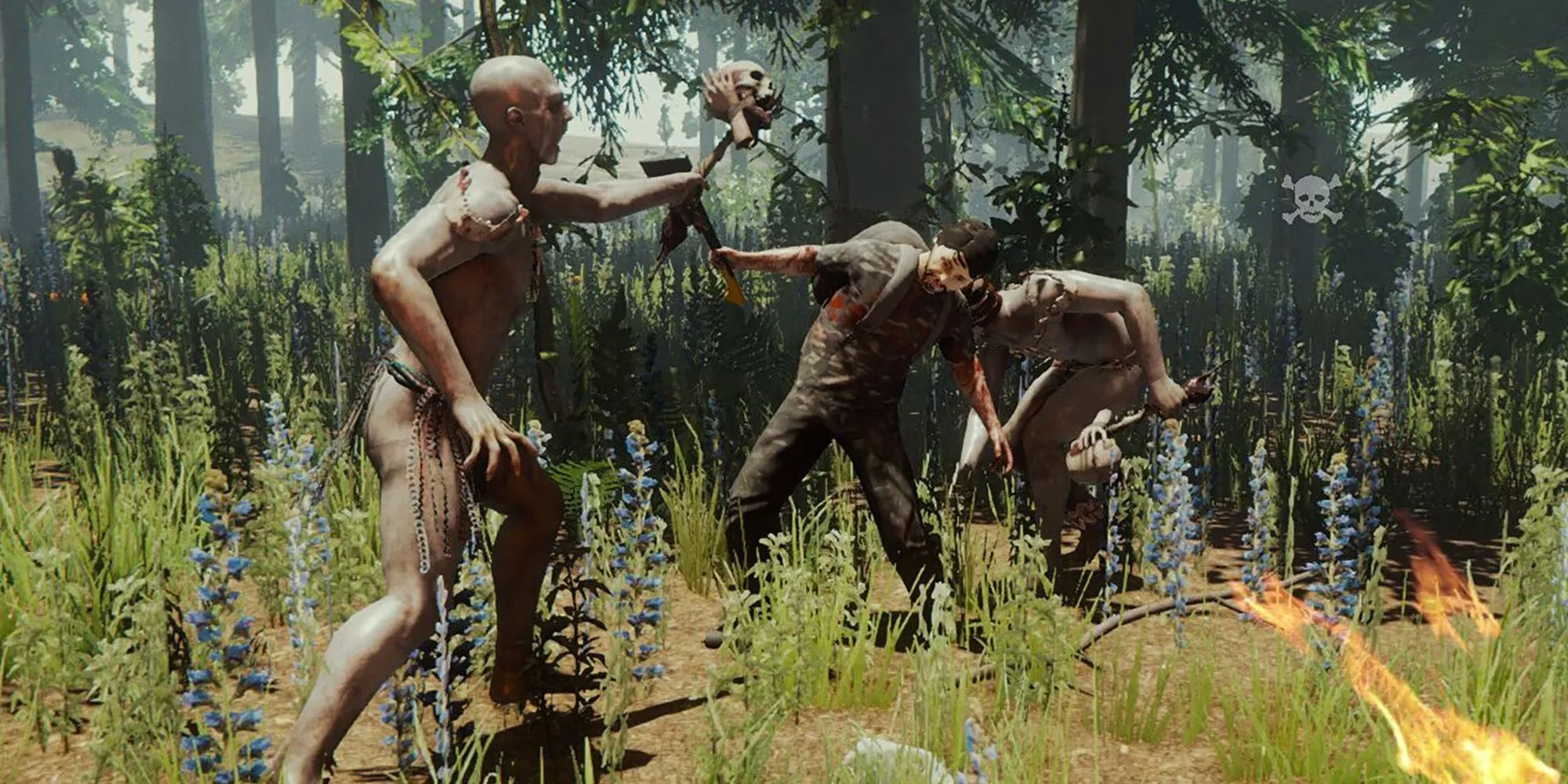
The Forest: Horror-Fueled Base Management
Shadows move between the trees\u2014and they are definitely not human. The Forest grabs the cozy resource-management genre by the throat and drags it into a cannibal-infested nightmare. A sprawling map hides terrible secrets, and the building system lets players erect log fortresses that mock the horrors outside. Managing food, water, and sanity while fending off shrieking mutants is a masochist\u2019s delight. Combining survival with a genuinely unsettling story, this title proves that even terror can be optimized. Every log placed is a middle finger to the darkness.
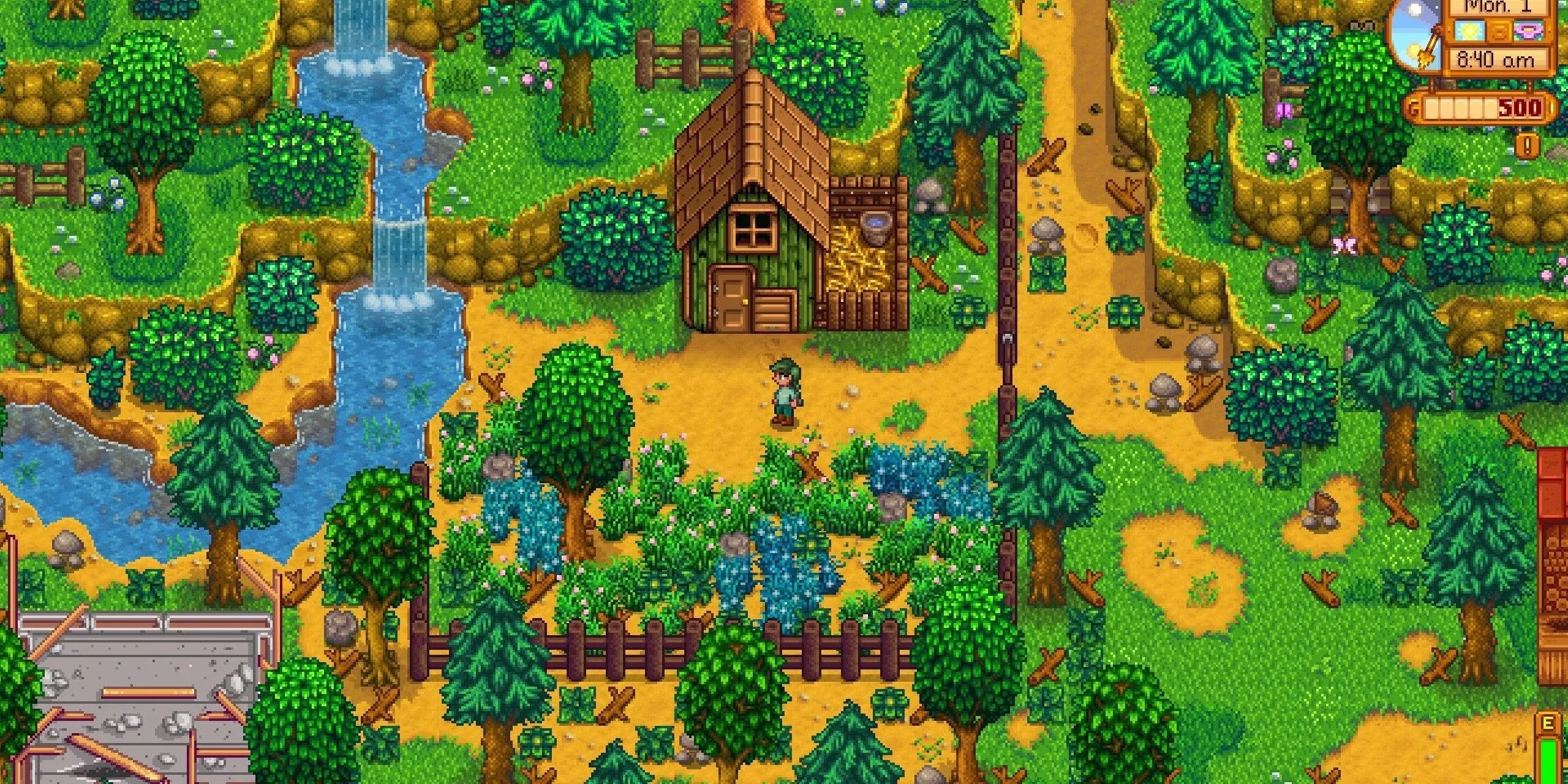
Stardew Valley: The Pastoral Tyranny of Organized Agriculture
At first glance, Stardew Valley is a 32-bit hug. In reality, it\u2019s a sprawling, unyielding spreadsheet simulator disguised as a farming sim. The resource management depth is monstrous: crops, animal products, artisan goods, mining hauls, and seasonal deadlines all demand your undivided soul. Players lay out sprinkler grids with military precision, automate keg sheds, and curate chests color-coded by category. The sheer volume of content remains staggering in 2026, bolstered by an obsessive community. For those who yearn for a similar fantasy fix, Sun Haven arrives as a worthy successor, but Stardew still reigns as the cozy dictator of the genre.
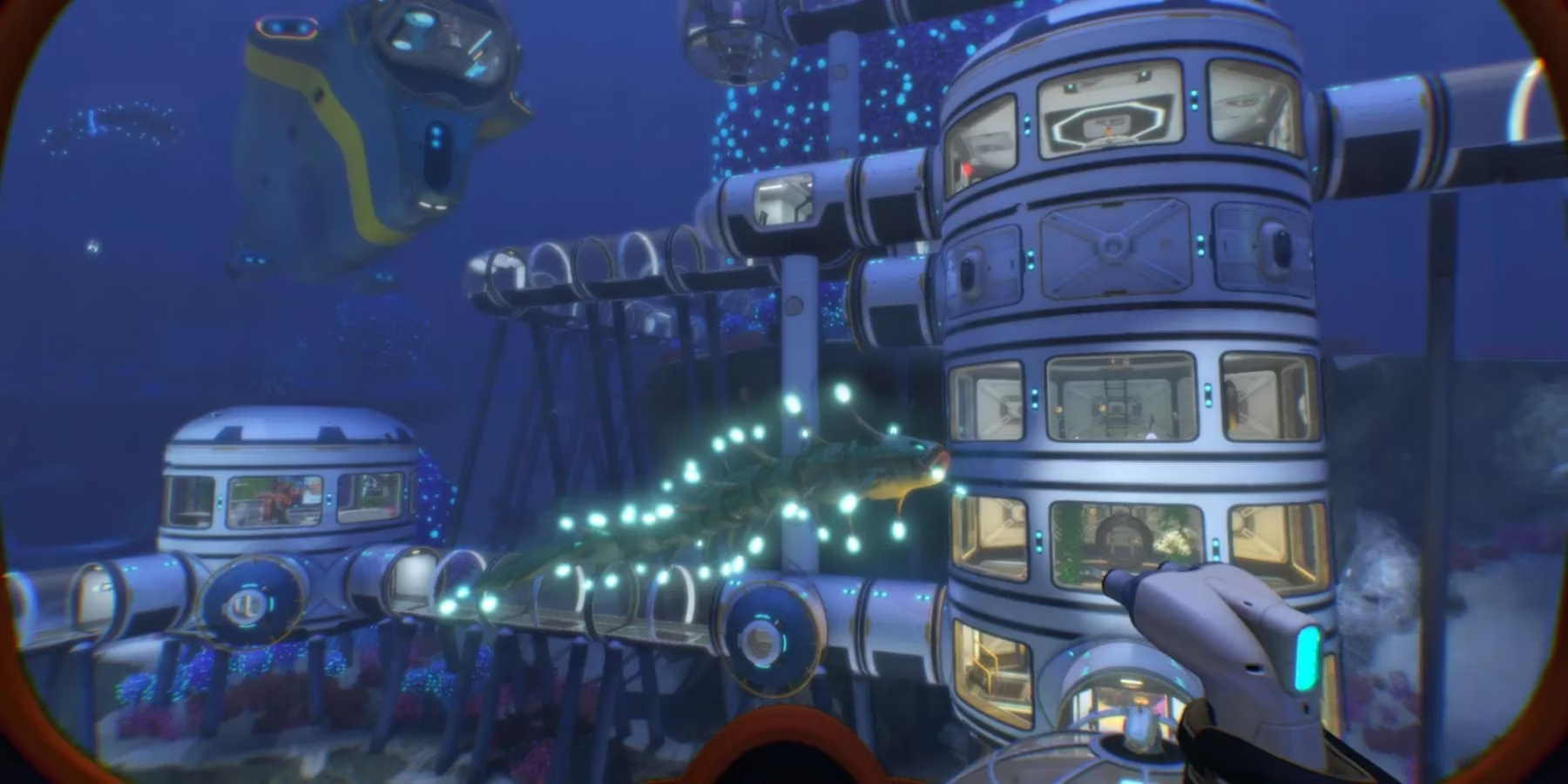
Subnautica: Underwater Havens and Inventory Nightmares
Nothing screams resource management like building a habitat at the bottom of an alien ocean while a Leviathan-class predator roars in the distance. Subnautica hands players a blueprint and pushes them into 4546-B\u2019s glittering abyss. Multiple bases can be constructed across biomes, each specialized to exploit local resources, from volcanic vents to mushroom forests. The inventory system is a cruel but fair master, forcing constant triage. By 2026, its spiritual successor Planet Crafter has terraformed Martian deserts, but Subnautica\u2019s crushing thalassophobia-meets-efficiency remains unmatched.
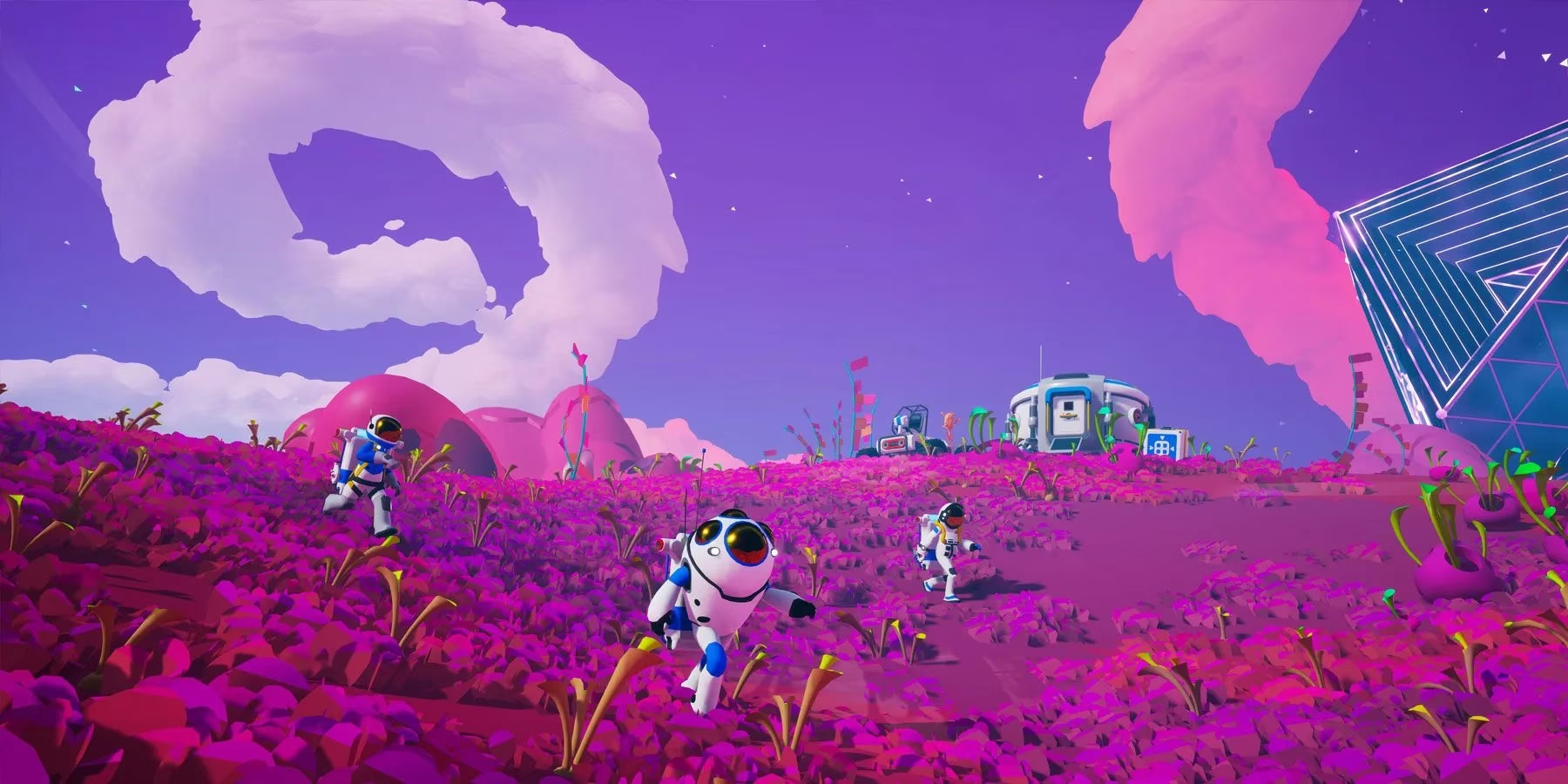
Astroneer: Streamlined Space-Hobo Logistics
Take the infinite cosmos of No Man\u2019s Sky, squish it into a charming, low-poly aesthetic, and bolt on a resource management system so intuitive it feels like cheating. Astroneer sends players careening across vibrant planets whose resources are tetris\u2019d into backpacks and auto-extractors. The entire universe is open for plunder; soil itself can be reshaped into ramps, bridges, and existential art. Co-op transforms planetary pillaging into a laugh riot. The minimalism hides deep logistical puzzles, making this a delightfully crunchy sandbox where even a pauper can feel like a space billionaire.
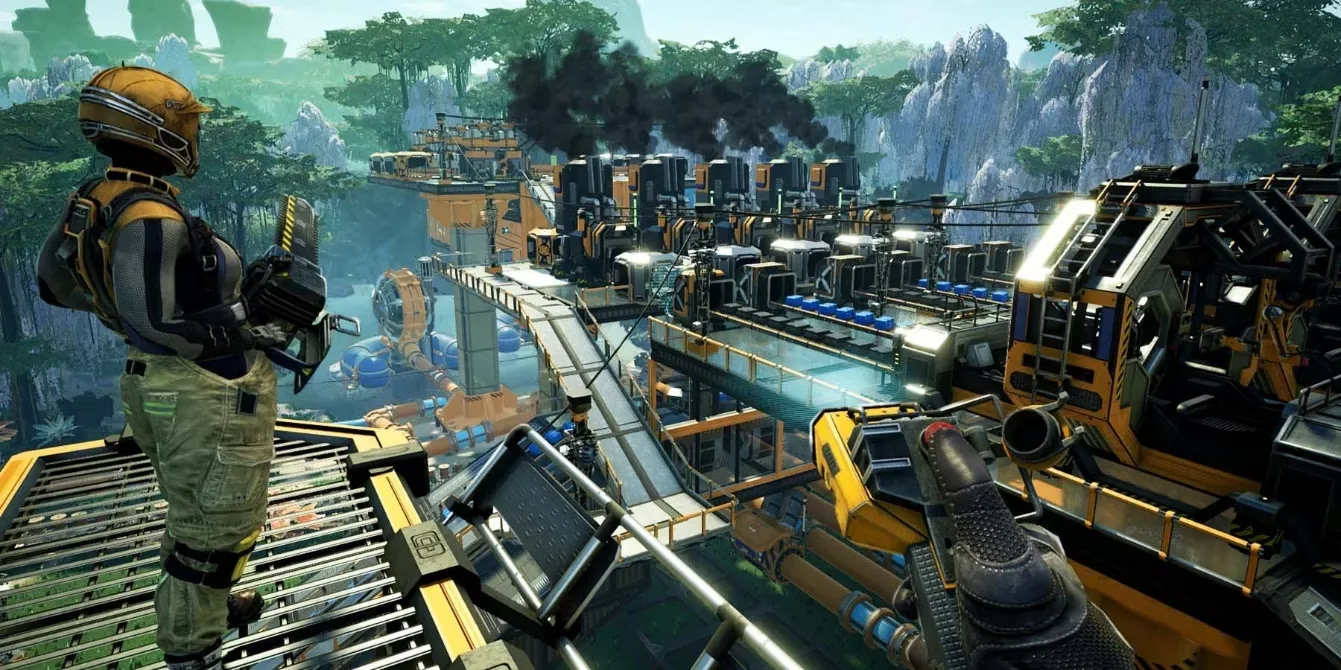
Satisfactory: The Factory Must Grow, Forever
Satisfactory is what happens when a game whispers, \u201cWouldn\u2019t it be fun to triple your iron plate output?\u201d and then consumes every waking moment for the next three years. This arachnophobia-inducing, conveyor-belt-worshipping titan turns players into obsessive industrial engineers. The open world is a blank canvas for monstrous factories that stretch across kilometers. Automation isn\u2019t just a feature; it\u2019s a religion. Power grids, pipelines, and logistic layers stack like a deranged wedding cake. For those craving Subnautica-flavored industry, Techtonica offers a comparable descent into crafting madness, but Satisfactory remains the alpha factory.
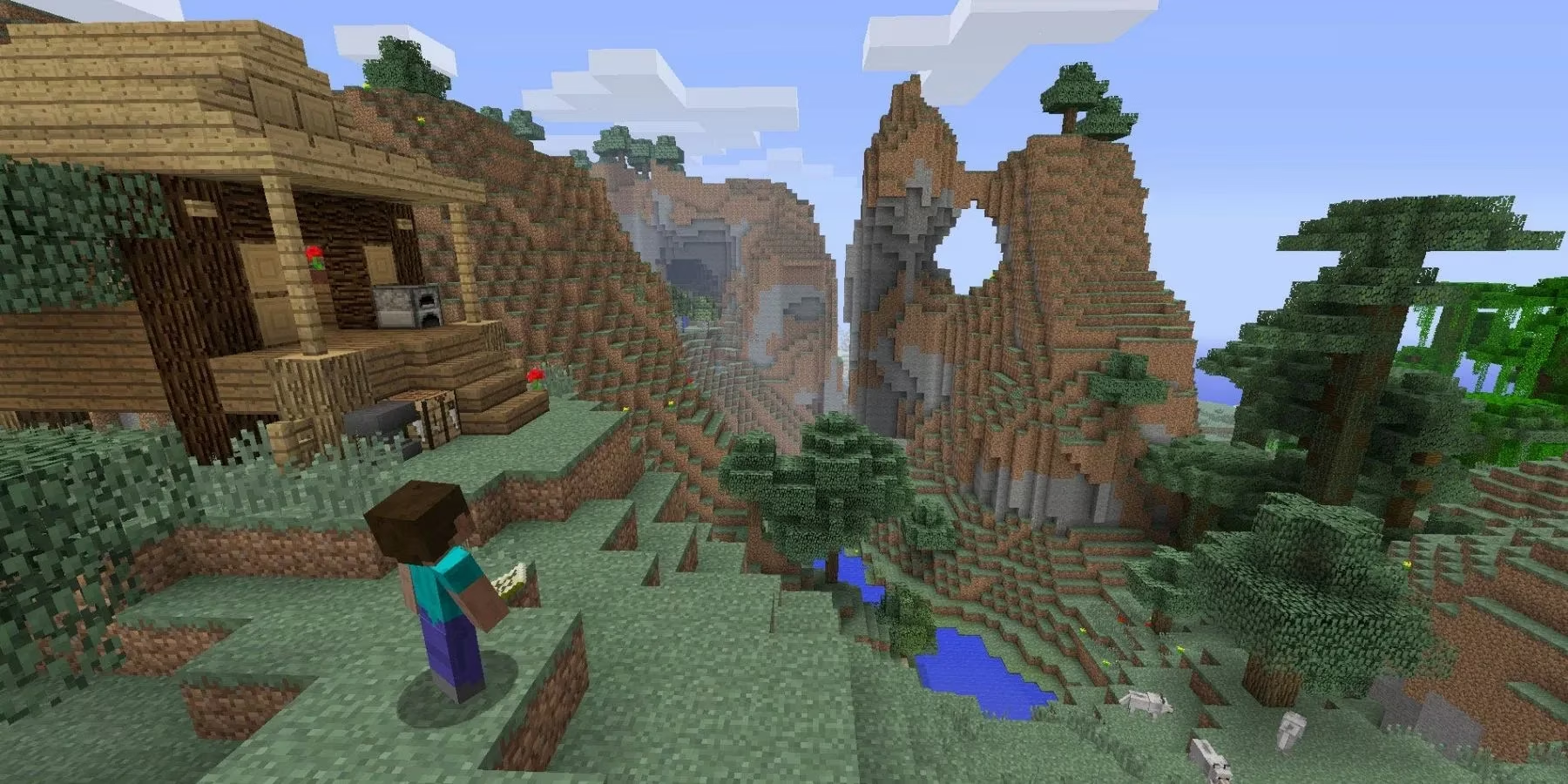
Minecraft: The Redstone God-Engine
After more than a decade, Minecraft\u2014the primordial block\u2014still flexes as the undisputed champion of open-ended resource management. It is a game where you can automate wheat farms, piglin bartering halls, and even your own sorting system using the arcane, quasi-magical power of Redstone. Every update keeps the technical community buzzing; by 2026, the contraptions have grown so complex they rival real-world engineering. Its pixelated cousin Terraria adds a 2D depth of loot and boss-chest management, but Minecraft\u2019s infinite sandbox remains the ultimate canvas for the resource-obsessed lunatic.
The year 2026 does not merely present these games as entertainment; it offers them as lifestyles. Whether you\u2019re herding glowing slimes, drowning in a factory\u2019s conveyor ballet, or baiting a sea monster just to scan it, the beat of resource management drums on. These worlds demand everything\u2014and in return, they grant players the sublime power to create order from raw, relentless chaos.