When Bugs Became Features: Eight Accidental Gaming Innovations That Endured Into 2026
Video game glitches became accidental features in eight iconic titles, from Minecraft’s Creeper to Street Fighter 2 combos.
In 2026, game development is more polished than ever, yet some of the medium's most recognizable mechanics still trace back to accidents. Bugs are usually a source of frustration, refunds, and patch notes, but occasionally a glitch produces something so funny, useful, or memorable that studios keep it. The eight cases below are not myths; they are documented examples of mistakes that became features, and their influence is still visible in modern design. What separates a bug from a feature? Sometimes, the answer is simply whether players enjoy it.
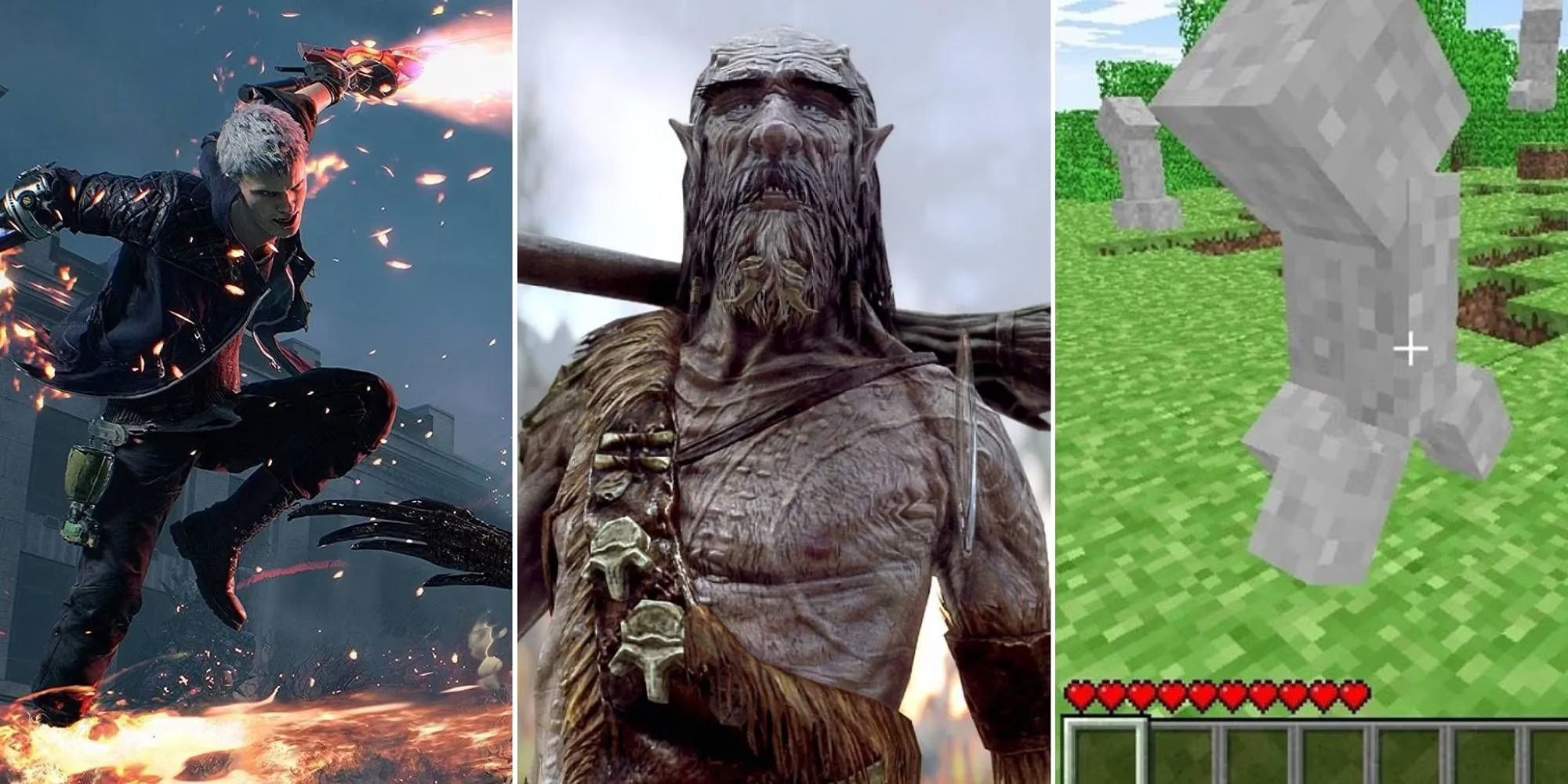
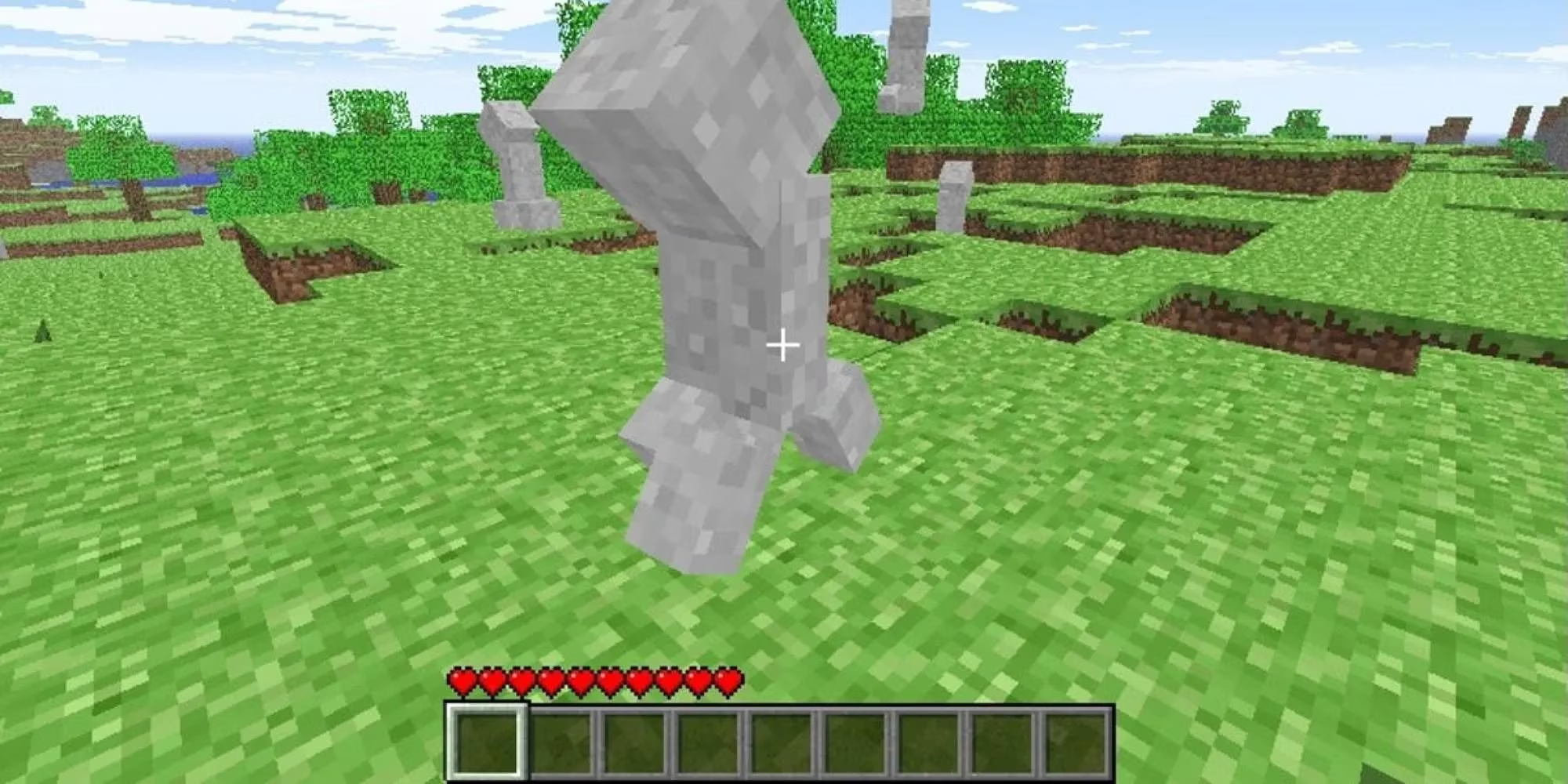
Minecraft: The Creeper Began as a Pig 🐷
One of the most famous accidental creations in gaming is Minecraft's Creeper. The mob was not planned. While coding, Markus Persson, known as Notch, accidentally reversed a pig's dimensions. Instead of a short, fat animal, the model became tall and skinny. Notch found the result funny and liked it enough to build a new creature around those proportions. The Creeper was born, and in 2026 it remains one of the most recognizable icons in the medium. A coding slip became a monster that players still fear and meme about more than a decade later.
Space Invaders: The Speed-Up Was a Hardware Quirk 👾
Space Invaders helped define arcade gaming, and its escalating difficulty is part of the appeal. As players destroy aliens, the remaining enemies move faster. That speed-up was never a design choice. The processor simply had an easier time loading fewer sprites, so the aliens accelerated as their numbers dropped. Developers liked the effect and kept it. In 2026, the idea of a game getting harder as the screen clears is standard, but it began as a hardware accident.
Street Fighter 2: Combos Were an Input Accident 🥋
Combos are the backbone of fighting games, so it is strange to learn that they were not intended in Street Fighter 2. Developers adjusted input controls to make special moves easier than in the first game. The changed timing allowed players to cancel one move mid-animation and start another, creating a chain of attacks that could stun-lock opponents. Some developers worried this would ruin balance, but the combo was kept. Today, combos are a core design language for fighting games, and Street Fighter 2 is still cited as the moment the genre changed.
Super Mario: Wall Jumping Before It Was Official 🧱
In the original Super Mario game, skilled players discovered a wall jump. The trick involved clipping one pixel into the top corner of a block. The game registered Mario as standing on top of the tile rather than inside it, allowing another jump while creating the appearance of a wall jump. It was not intentional, but Nintendo evidently liked the idea. Super Mario 64 later made wall jumping an official move, and the mechanic became part of Mario's movement identity.
Team Fortress: The Spy Infiltrated From Quake 🕵️
Team Fortress's Spy is a beloved class, but he almost did not exist. The idea came from a glitch in Quake where players would sometimes appear as if they were on the other team. Valve took that accidental deception and turned it into an actual class. The Spy gained the ability to disguise, infiltrate, and sow confusion. What was once a visual bug became a deliberate design tool, and the class remains a favorite for players who enjoy trickery.
Grand Theft Auto: Aggressive Police AI Changed the Game 🚗
Grand Theft Auto was not originally Grand Theft Auto. Rockstar Games, then DMA Design, was working on a game called Race'n'Chase, which focused on racing and chasing. A glitch in the police AI made officers overly aggressive: they ran over pedestrians, crashed cars, and pursued the player with chaotic energy. The team found this more fun than the original concept, so the project was reworked into the first Grand Theft Auto. DMA Design became Rockstar North, and the series grew into a cultural and commercial giant.
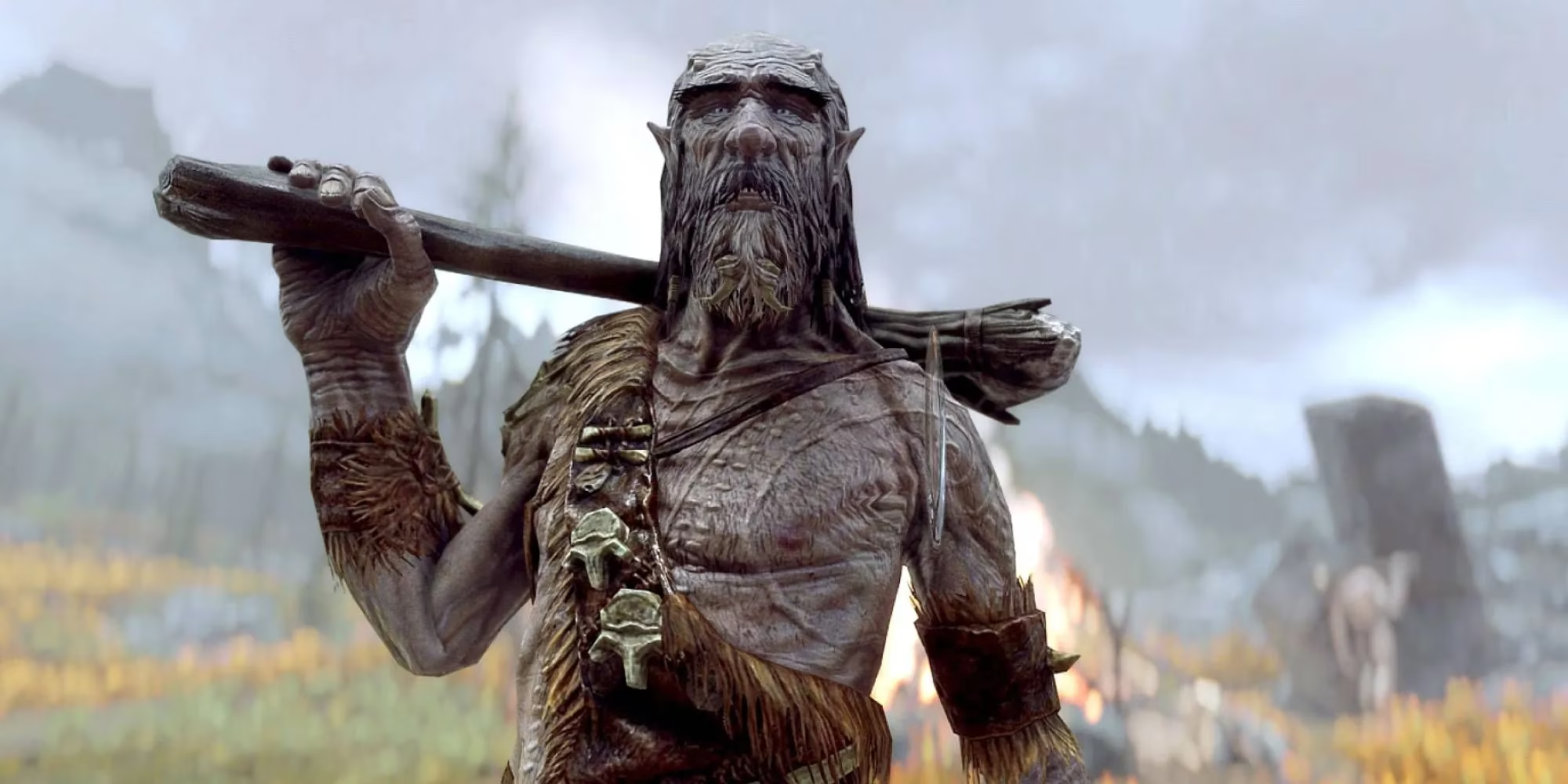
Skyrim: Giants and the Damage Overflow ⚔️
Many players remember their first encounter with a giant near Whiterun in Skyrim. They also remember attacking it and being launched into the stratosphere by a single swing. That launch was not intended. Giants were meant to swing and kill the player outright. However, Skyrim uses a damage overflow calculation: excess damage is converted into force that throws the ragdoll body. Because a giant's blow deals far more damage than needed, the leftover damage becomes enormous force. Instead of patching it out, the developers kept the iconic death. In 2026, clips of players flying through the sky are still part of Skyrim's legacy.
Onimusha: The Bug That Inspired Devil May Cry 😂
Capcom was working on Onimusha and Devil May Cry at the same time when Hideki Kamiya noticed a bug in Onimusha. He watched a developer play and saw enemies fly into the air after being hit. Kamiya found it hilarious and liked it enough to use it as inspiration for Devil May Cry's air-combo combat. Throwing enemies into the air and shooting them became a staple of the series. A glitch in one game helped shape the style of another.
The Pattern Behind the Accidents 📊
The table below summarizes the eight cases and the features they produced.
| Accident or bug | Game | What it became |
|---|---|---|
| Reversed pig dimensions | Minecraft | The Creeper |
| Fewer sprites loaded faster | Space Invaders | Faster remaining aliens |
| Cancelable move animations | Street Fighter 2 | Fighting-game combos |
| One-pixel corner clip | Super Mario | Wall jumping |
| Players appeared on the wrong team | Quake / Team Fortress | The Spy class |
| Overly aggressive police AI | Race'n'Chase | Grand Theft Auto |
| Damage overflow force | Skyrim | Giant launch deaths |
| Enemies flying after hits | Onimusha | Devil May Cry air combos |
What do these stories share? They show that players often discover fun before designers do. They also show that not every glitch should be patched immediately. In 2026, studios face enormous pressure to ship stable games, and the lesson is not to release broken products. The lesson is to watch what players love, test whether an accident adds value, and then decide whether to formalize it. Some of gaming's best ideas were born by mistake. The smartest studios learned to recognize them.