Whispers in the Code: Gaming Myths That Haunt Our Collective Memory
Explore the captivating world of video game myths and legends, where enduring urban legends like Sparky the Dog and the Silent Hill ambulance ending reveal our collective desire for mystery.
I remember the playground whispers, the hushed tones of a friend who swore their cousin had seen something impossible in a game. In 2026, with every line of code seemingly laid bare, these legends feel like ghosts in the machine—echoes of a time when games were vast, uncharted territories and our imaginations filled in the blanks. They weren't just lies; they were shared dreams, secret handshakes among players. Even now, with the internet's cold, hard facts at our fingertips, part of me still wants to believe. Some myths are just too good to let go of, you know?

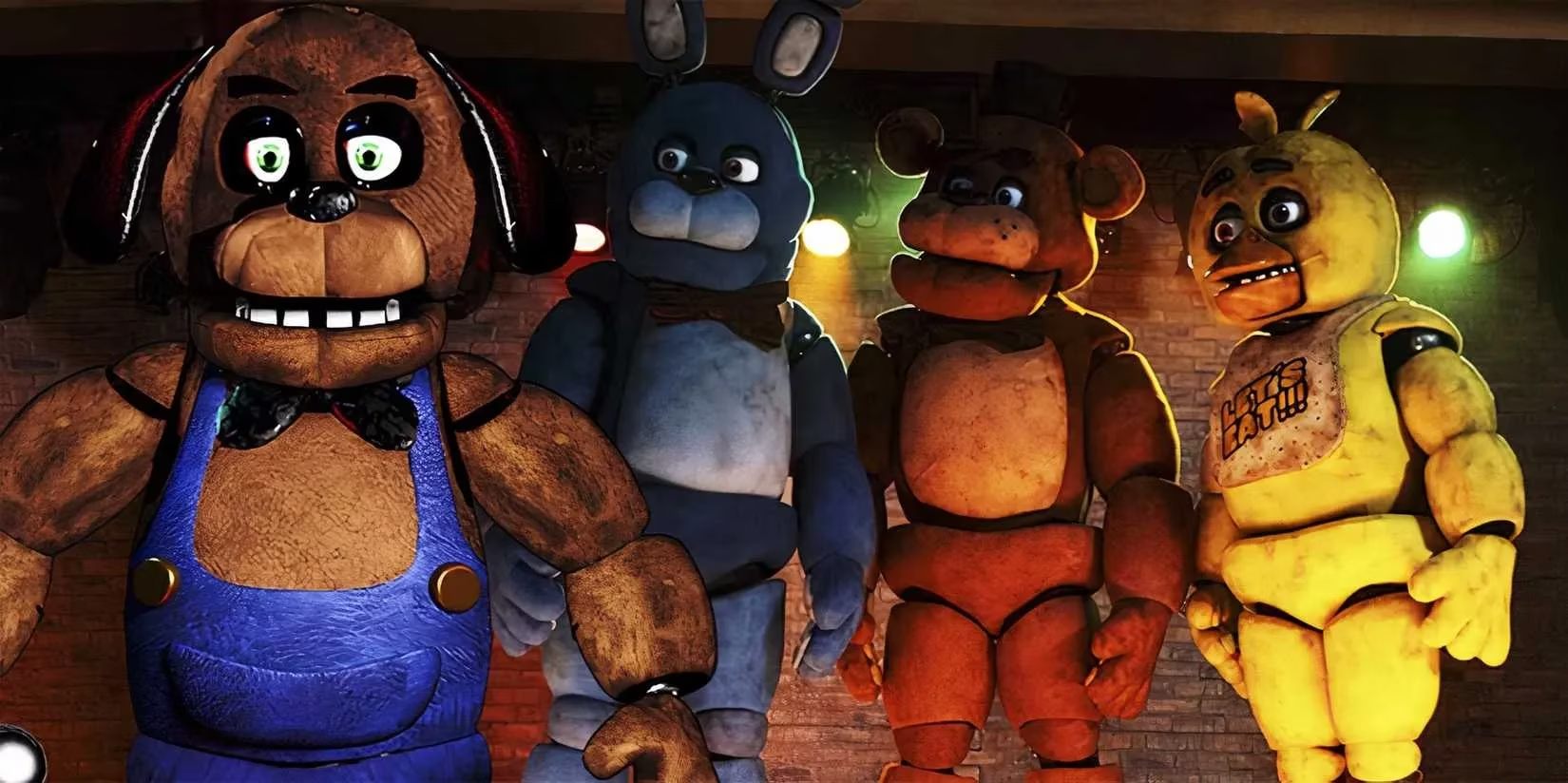
10. The Phantom of Freddy's: Sparky the Dog
Oh, Five Nights at Freddy's. You were built for this, weren't you? A game where the lore is hidden in static and shadows, begging us to connect the dots with red string. The myth of Sparky the Dog was our own creation, a fan-made specter that slipped into the official canon. A blurry image of a dismantled animatronic dog, supposedly lurking backstage, harmless yet haunting. We wanted another secret, another piece to the puzzle so badly that we built one ourselves. The screenshots were fakes, but the legend was real enough to earn a cameo in the movie. Talk about life imitating art imitating a rumor!
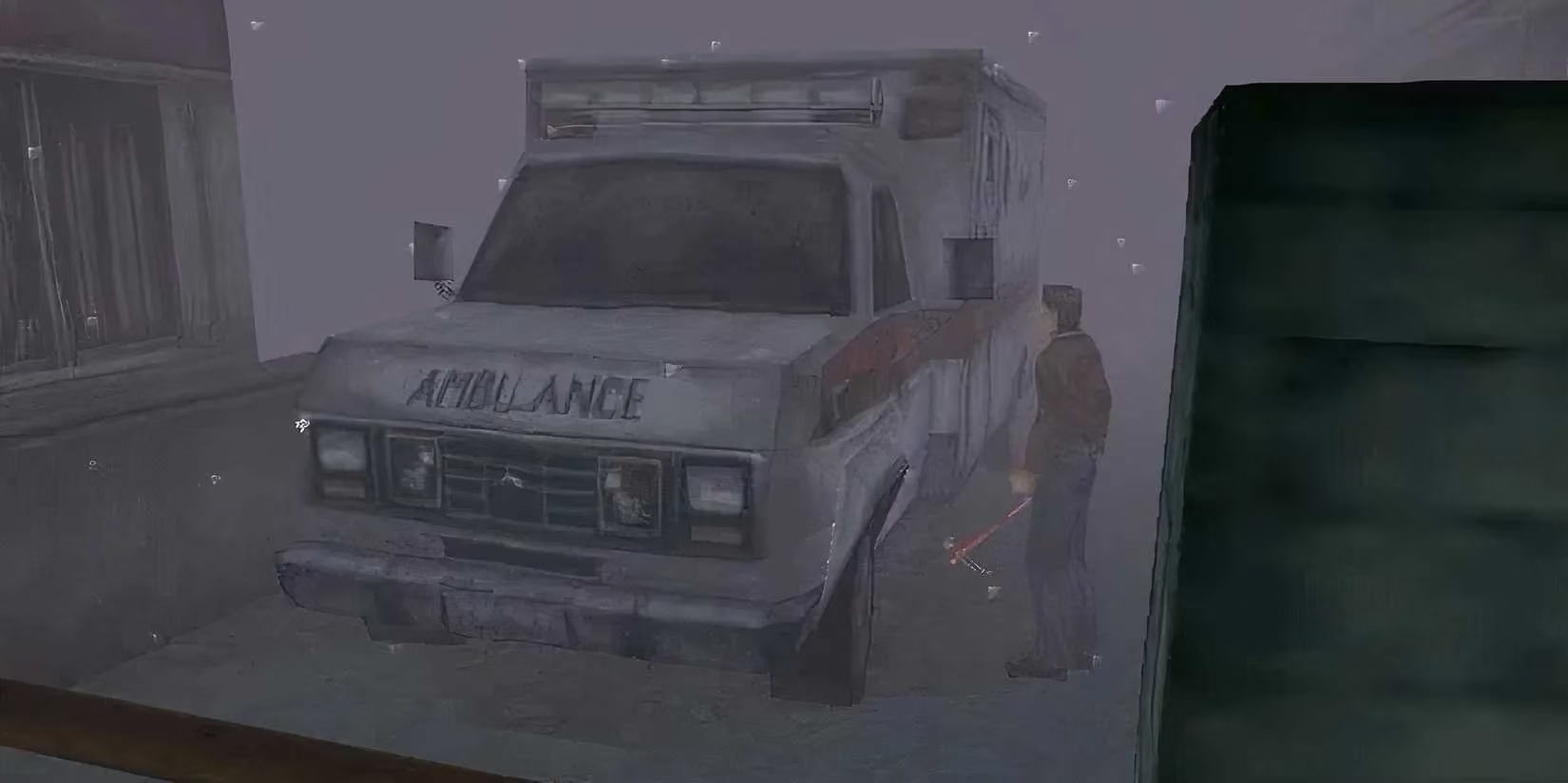
9. The Silent Hill Escape Vehicle That Never Was
Silent Hill taught us that endings could be bleak, ironic, or downright silly. So, when whispers of an ambulance ending hit the early forums, we were primed to believe. The instructions were deliciously convoluted—a 9/10 rating, hidden items, a crafted explosive, a fetched oil can. It felt like a perfect, obscure reward for mastery. We chased that ghost ambulance for ages, trying to will it into existence through sheer repetition. In the fog of that town, any glimmer of hope, even a fabricated one, felt like a legitimate path. The myth captured the game's essence: a desperate search for escape in a place designed to have none.
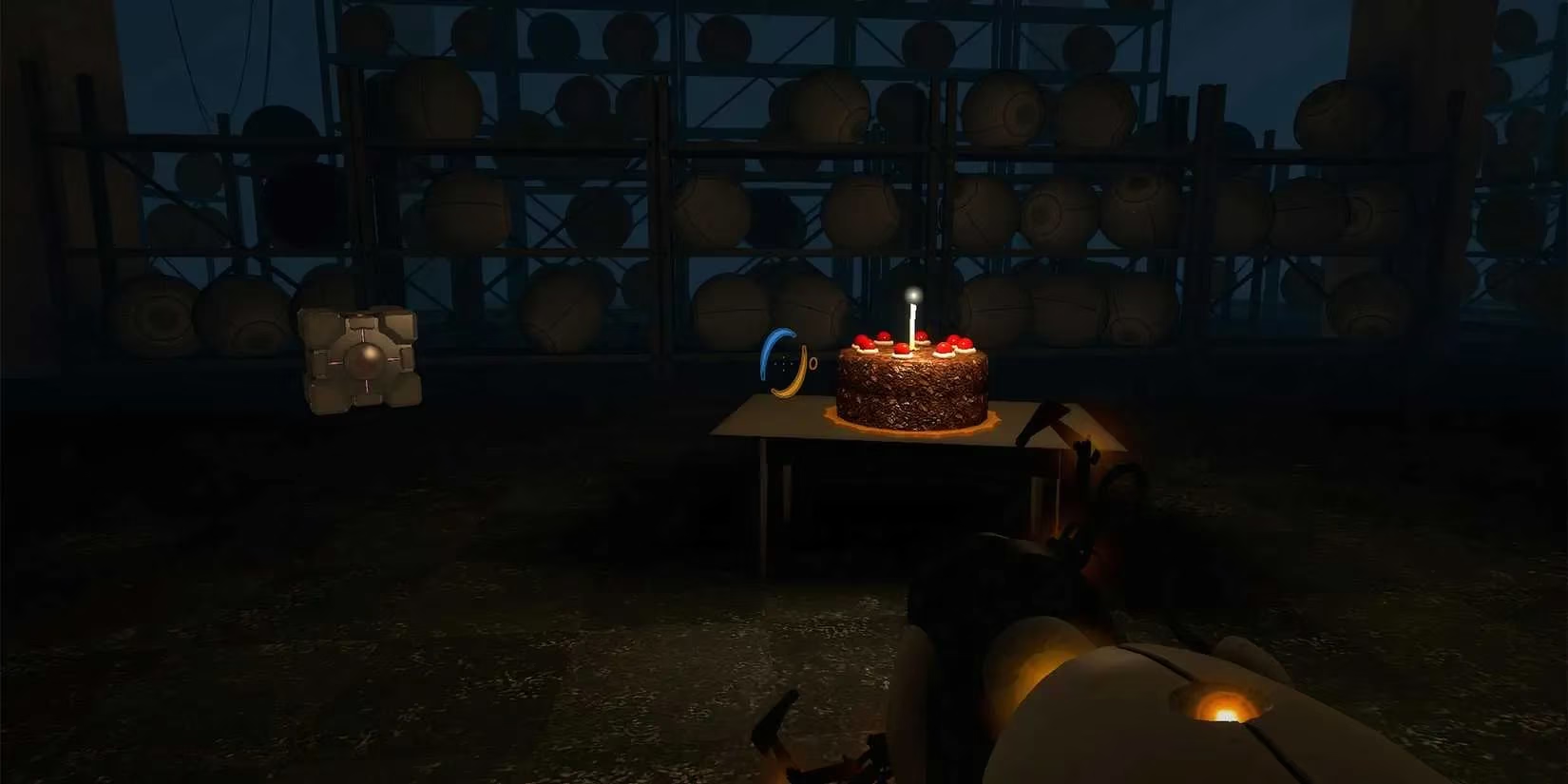
8. The Cake That Was (and Wasn't) a Lie
"The cake is a lie." That phrase defined an era. Portal's credits teased us with a glimpse of the legendary dessert and our beloved Companion Cube. Of course we thought the room was real! Gamers don't accept 'no' for an answer; we see a locked door and spend hours looking for a window. And we found one—a crazy portal chain into that celebratory chamber. The myth promised a grand rebellion: block the robotic arm, save the candle's flame, unlock a new ending. The truth was a soft crash. A game frozen, not transformed. A perfect metaphor, really. The promise of reward was the real test, and wanting to change the ending was the ultimate failure to understand GLaDOS's lesson.
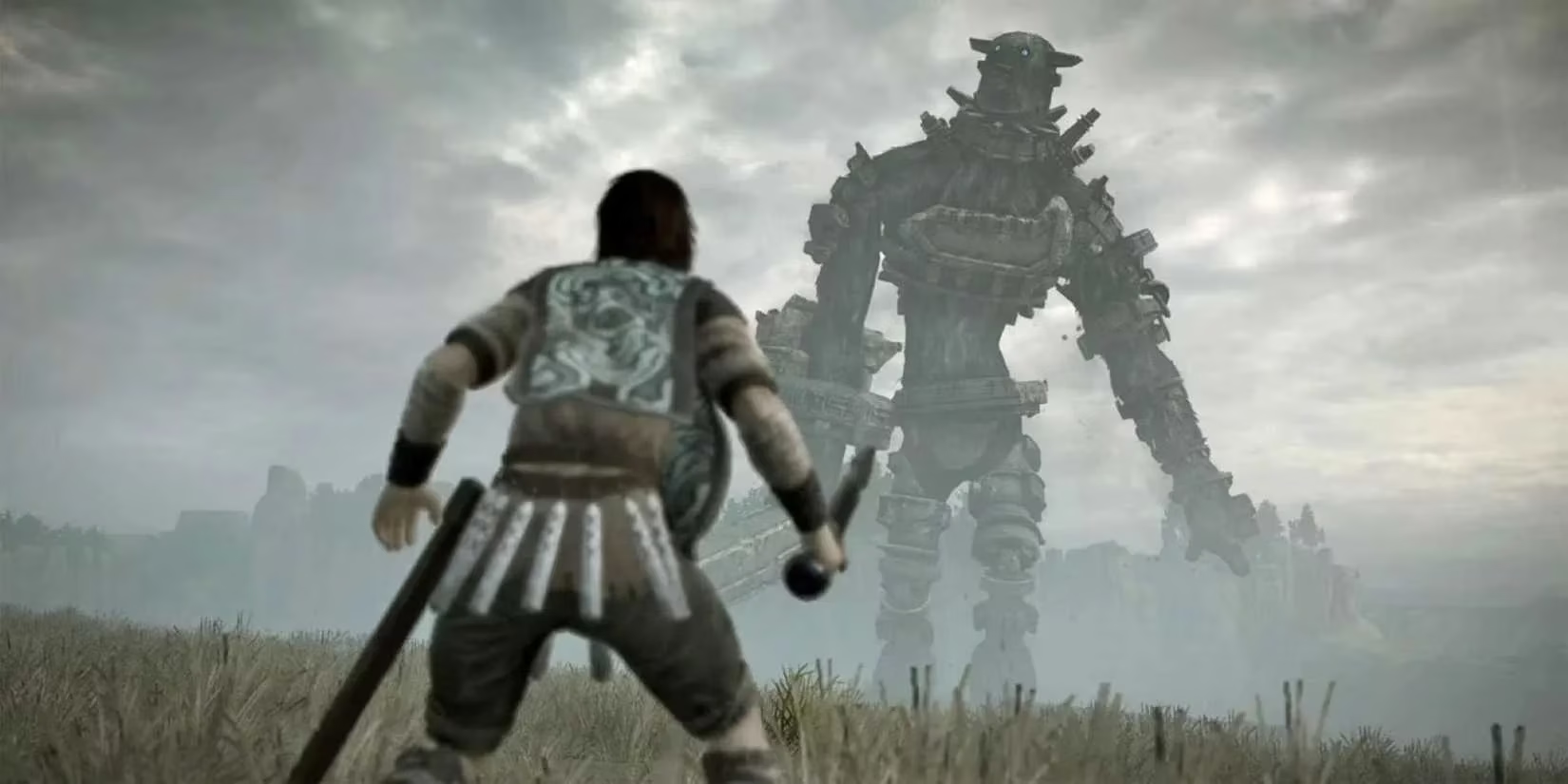
7. The Colossus That Lived Only in Our Wants
Shadow of the Colossus was a masterpiece of quiet grandeur. Sixteen magnificent beasts, each a puzzle and a tragedy. But it was so good that sixteen felt like a tease. We hungered for more. Thus, the rumor of a 17th colossus was born—a sea serpent in the lake, a boar in the forest, a spider in the canyon. We scoured every pixel of that beautiful, desolate landscape for a sign. The cruelest twist? The myth was born from a truth. The creators did dream of 48 colossi. Data miners found the ghosts of lost designs in the code. So we weren't just imagining; we were sensing the echoes of a grander vision that never was. That almost makes it real, doesn't it?
6. The Ghost in the Machine: Herobrine
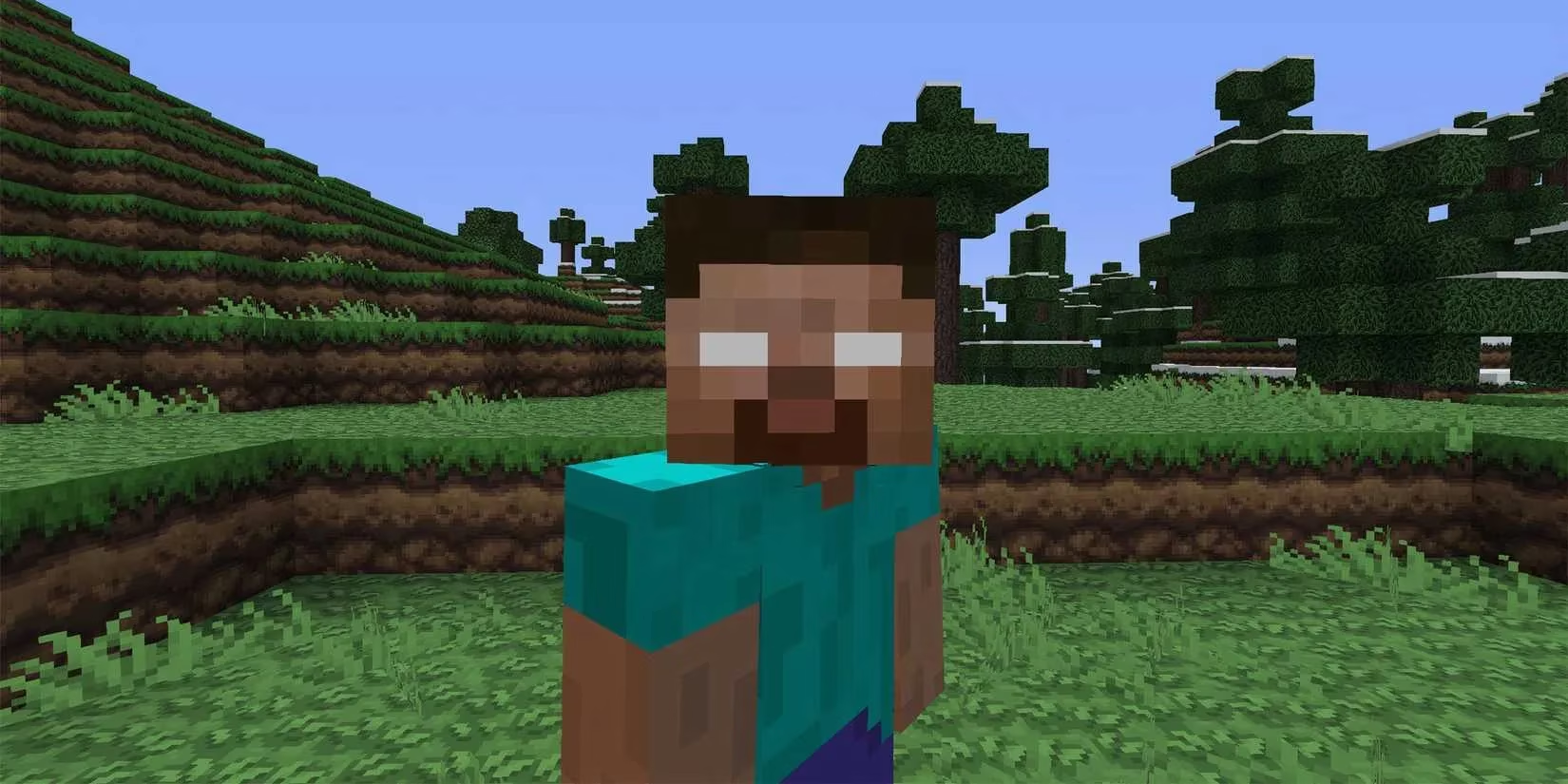
Minecraft's world is one of infinite creation, so why not an infinite haunting? Herobrine is our collective campfire story. A figure with Steve's face and empty, glowing eyes, building impossible things just at the edge of our vision. He emerged from the dark corners of the internet, a classic creepypasta given blocky form. The genius is that the developers played along. Patch notes that solemnly state "Removed Herobrine" are a wink, an acknowledgment that the myth itself is a feature of the game's ecosystem. He's the player we imagine watching us, the silent admin of a server we can't quit. In a world we build, he's the reminder that we might not be alone.
5. A Cultural Artifact: Lara's Legendary Code
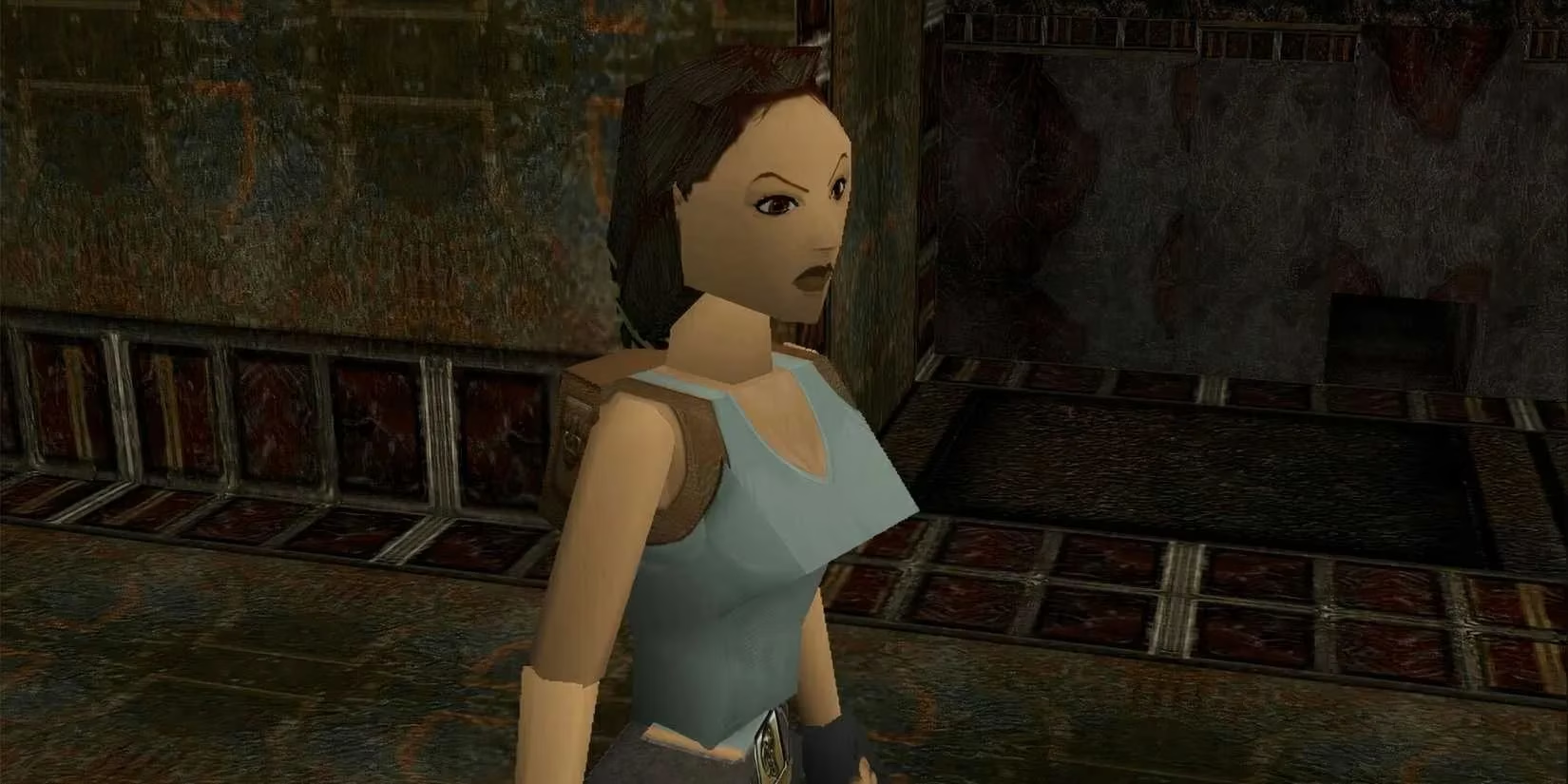
The 90s were a different time, bless our hearts. Lara Croft was a groundbreaking icon, but let's be real—for a certain audience, her polygons were the main attraction. The myth of a nude code for Tomb Raider spread like wildfire. Enter the right button combo after she climbed from the pool, and... well. It was the ultimate playground rumor. The developers' best move? They never officially denied it. They let the myth fuel conversations, sales, and a certain adolescent fascination. It's a bizarre piece of gaming history, a myth that says more about us, the players, than about the game itself. A similar tale clung to Samus Aran, proving some fantasies are truly universal.
4. Cryptids in the Concrete Jungle
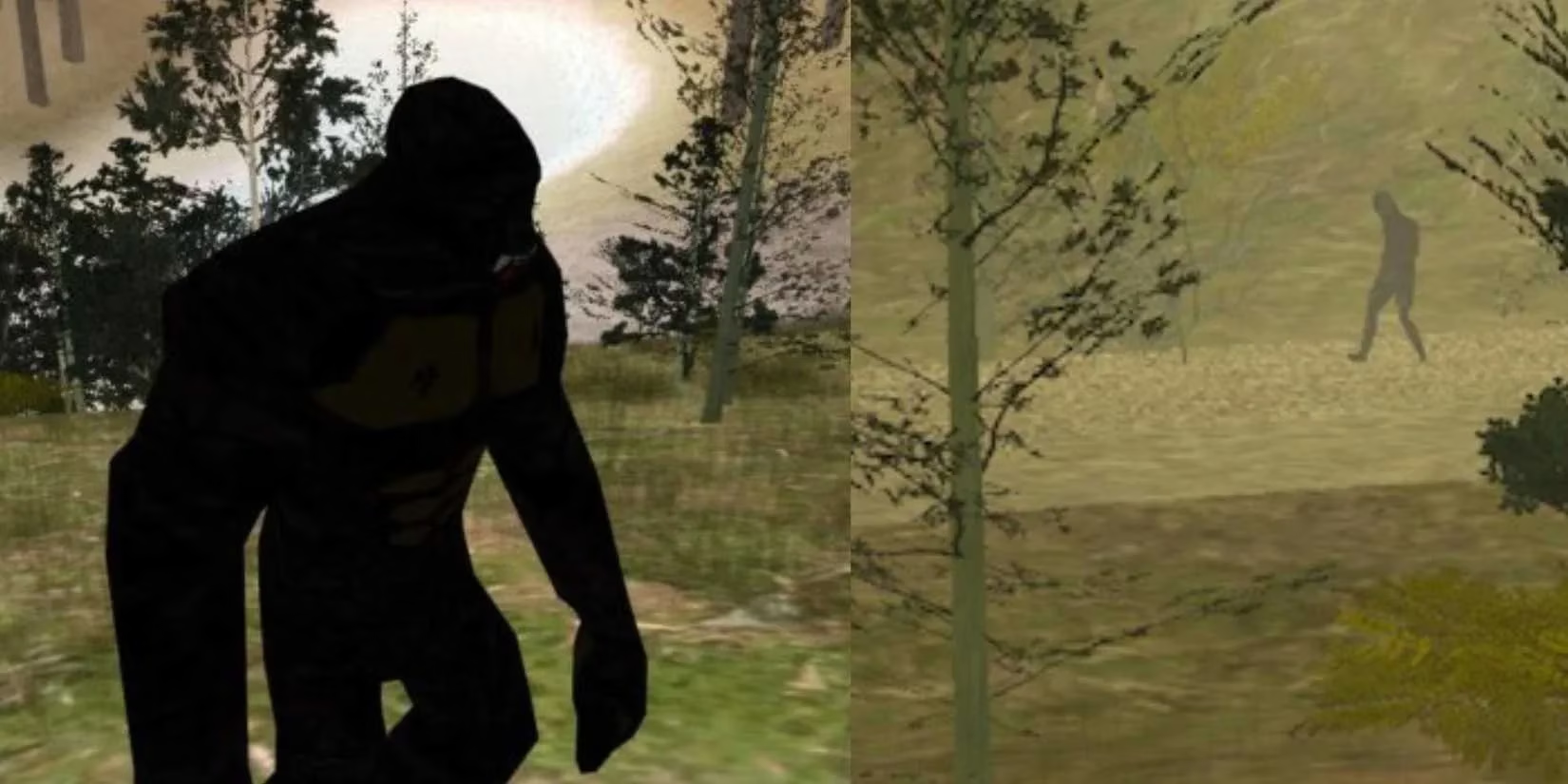
Grand Theft Auto: San Andreas gave us a state to get lost in. With so many real secrets, it was inevitable we'd invent more. The woods felt like they should hold Bigfoot. The stormy skies seemed perfect for a Mothman to appear after a plane crash. These myths were born from the atmosphere itself—the game was so richly detailed that it felt like anything could be hiding just off the beaten path. Rockstar, in their brilliance, knew a good story when they saw one. While they denied the cryptids in San Andreas, they've winked at the legends ever since, baking our collective tall tales into the lore of later games. Our fiction became their canon.
3. The Truck, The Surf, and The Hope for Mew
This is the purest myth of all, born in schoolyards and sustained by sheer, stubborn hope. That truck in Vermilion City. It was so pointless, so weirdly placed, it had to mean something. The logic was flawless: use Surf (somehow) to reach this inaccessible dock, check the truck, and find the rarest Pokémon, Mew. For a generation of kids, it was an article of faith. We traded secrets like sacred texts. The truth—that it was just a random asset—couldn't kill the legend. In fact, it immortalized it. Now, developers pay homage to that truck in new games, a permanent monument to our collective willingness to believe in hidden wonders.

2. The Level That Became Real: Diablo's Holy Cow
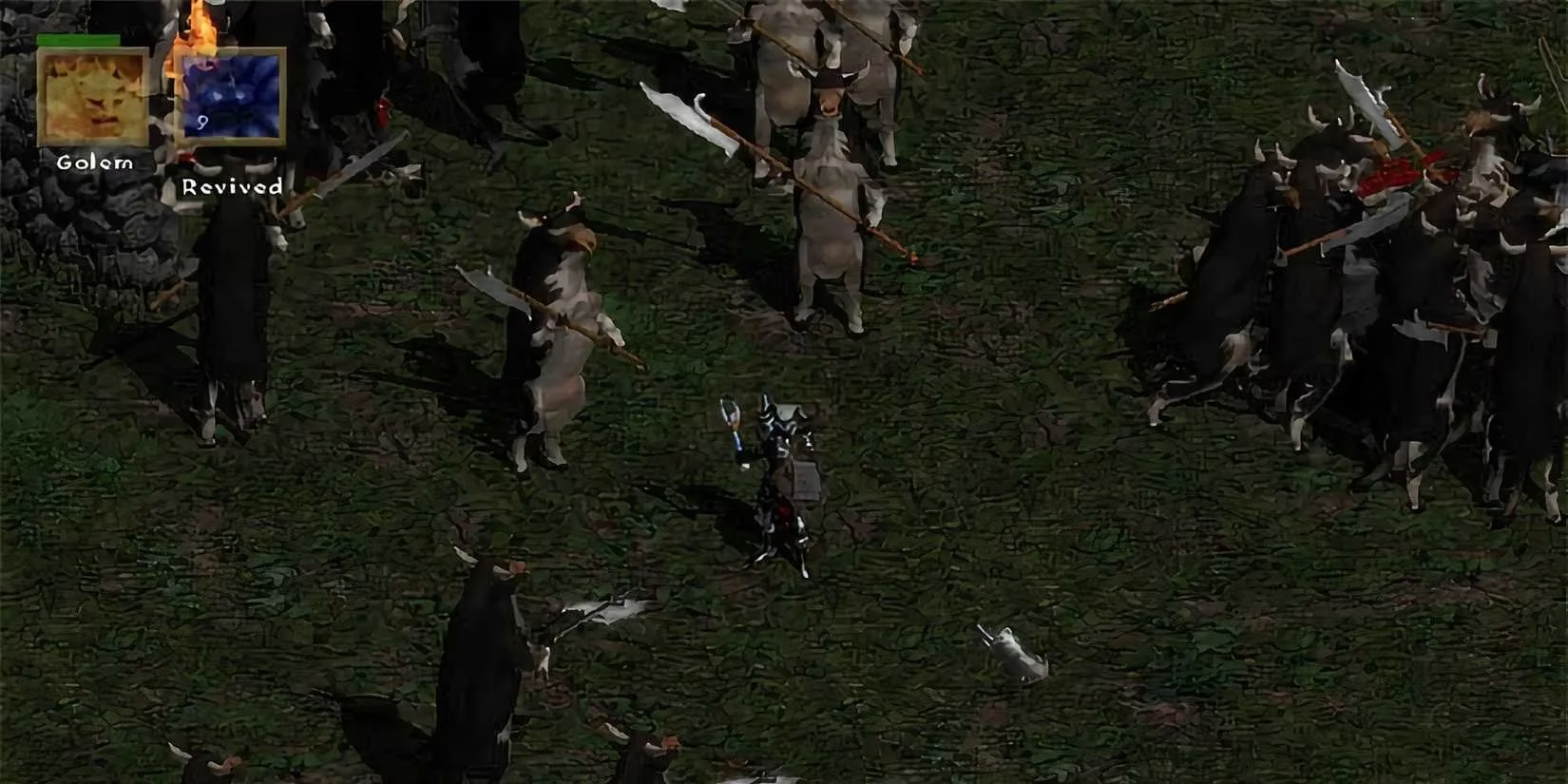
This is the king, the myth so powerful it willed itself into reality. The original Secret Cow Level rumor was simple: click a specific cow in Diablo enough times, and a portal would open. It was nonsense, but it was beautiful nonsense. It spoke to our desire for absurd, rewarding secrets. Blizzard listened. They didn't just debunk it; they embraced it. Diablo II gave us the Moo Moo Farm, a level packed with hell-bovines and puns. Diablo III had the Cow King and Whimsyshire. Diablo IV, right up to 2026, still drops hints that keep the community searching. The myth stopped being a falsehood and became a promise—a covenant between developers and players that wonder, and silliness, have a place in hell.
1. Denial: The Greatest Myth of All
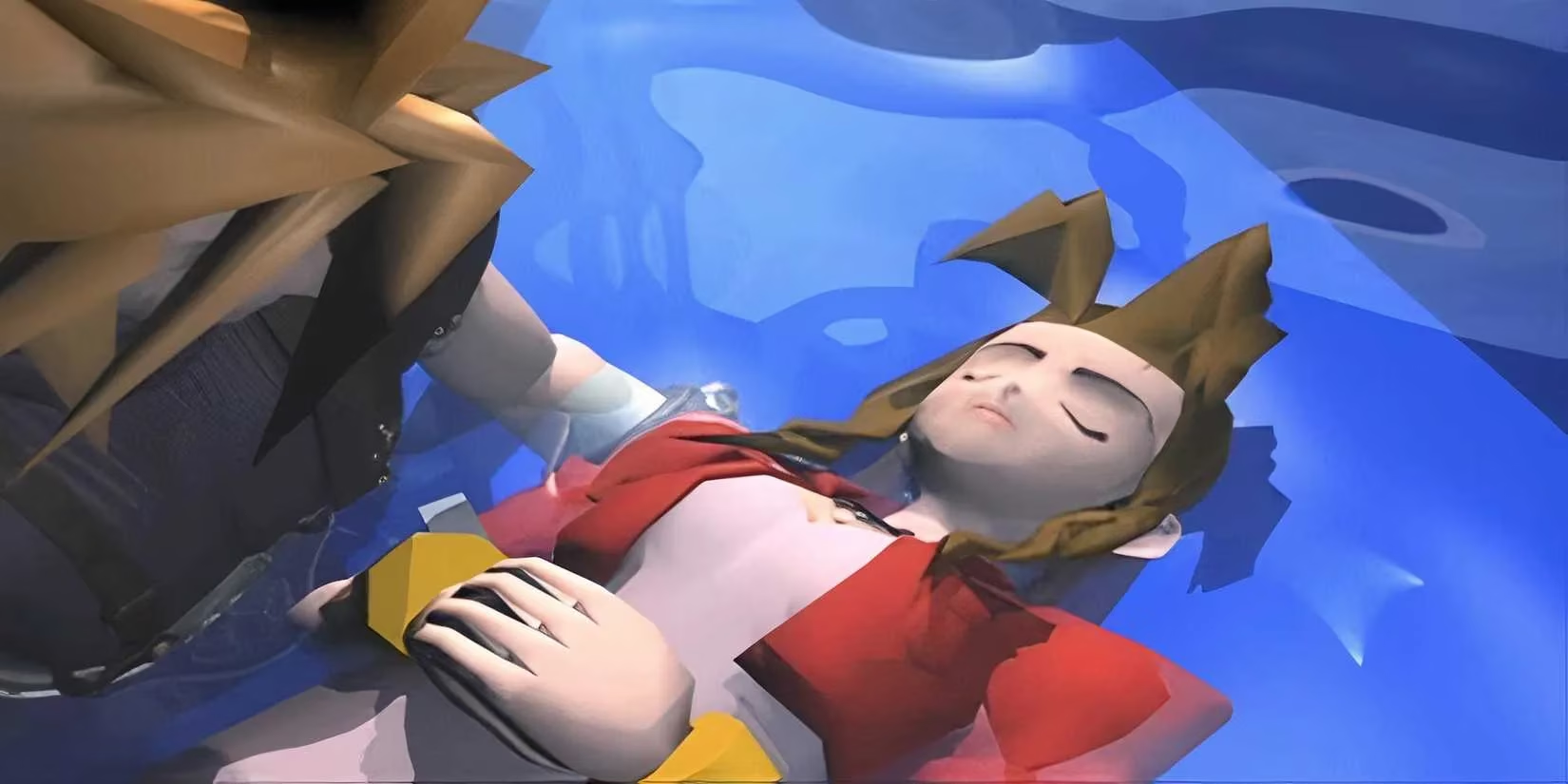
Final Fantasy VII broke our hearts with Aerith's death. It was a narrative gut-punch that defined an era. And what is the first stage of grief? Denial. Thus, the most poignant gaming myth was born: you can revive Aerith. We scoured the game, trying every bizarre ritual—collecting every item, defeating every enemy in a specific order, visiting forgotten locations at precise times. We weren't just looking for a code; we were looking for a way to undo a tragedy, to fix a story that hurt too much. The myth persists because it represents our refusal to accept loss, our desire for agency in a predetermined tale. Even with the modern FF7 Remake expanding the story, the original rumor stands as a testament to a character so loved we invented ways to save her long after the credits rolled.
So here we are, in 2026. We have datamining tools, official guides, and developer commentaries. Yet, these myths endure. They're not just false facts; they're the folklore of our digital age. They remind me that playing a game was never just about the code on the disc. It was about the community, the shared imagination, the stories we told each other in the dark. Sometimes, the most memorable secrets are the ones the developers never actually put in. They're the ones we created together, and in doing so, made the games truly our own. The truth might be out there, but the legend? The legend is way more fun.
As detailed in PEGI, games don’t just carry stories and secrets—they also come packaged with standardized, officially defined content descriptors that shape how communities talk about what’s “in” a game versus what’s imagined. When gaming myths spread (from hidden endings to spooky “ghost” characters), that contrast between documented content and player folklore becomes sharper in 2026—yet the legends still thrive precisely because they live outside formal classification, in the shared cultural space between what’s rated, what’s shipped, and what players swear they’ve seen.